
Tornado Design Considerations for Data Centers
A guide to tornado design for data centers, covering structural hardening, protecting critical equipment, redundancy, and site planning for mission-critical facility resilience. Learn how civil engine
Understanding Tornado Loads vs. Storm Shelter Requirements
A common point of confusion in resilient design is the distinction between designing the main building for tornado wind loads and designing a dedicated storm shelter. The main building’s structural system is typically designed to resist wind loads specified in model building codes, which are based on probabilistic assessments of wind speeds for a given region. These loads are intended to prevent catastrophic collapse but may still allow for significant damage to the building envelope and non-structural components. This approach focuses on the overall structural integrity of the facility under design-level wind events. In contrast, a storm shelter, often designed to standards like ICC 500, is engineered for life safety under extreme tornadic conditions. This involves significantly higher design wind speeds and a critical focus on debris impact resistance. The goal is to create a nearly impenetrable space to protect occupants. While a data center may not require a public shelter, incorporating a hardened core or shelter area for on-site staff is a critical life-safety consideration. Design requirements for both general building code compliance and specific shelter standards vary by jurisdiction, and every project team should confirm the applicable standards with the local, state, regional, and federal authorities that hold review authority over the site.
Structural Hardening and Envelope Protection
Key Design Strategies for Tornado Resiliency
| Component | Standard Design Approach | Enhanced Tornado-Resilient Design | Key Considerations |
|---|---|---|---|
| Building Envelope (Walls/Roof) | Designed for regional code-level wind speeds. | Reinforced concrete or composite systems tested for missile impact resistance (e.g., FEMA P-361 criteria). | Focus on continuous load path, roof-to-wall connections, and protection of all penetrations. |
| Critical Equipment (Generators/Cooling) | Located outdoors on concrete pads, often with weather-rated enclosures. | Housed within the main hardened structure or in separate, impact-resistant enclosures. | Requires robust anchoring, vibration isolation, and hardened utility connections. |
| Occupant Safety | Relies on general building integrity and evacuation protocols. | Includes a dedicated, ICC 500-compliant storm shelter or hardened core area for on-site staff. | Life safety is the priority; shelter must be accessible and self-sufficient. |
| Utility Feeds (Power/Data) | Single or multiple overhead/underground feeds. | Multiple, physically segregated underground feeds entering the building at hardened, diverse points. | Coordination with utility providers is critical for routing and protection. |
| Site Drainage | Designed for standard 25- or 100-year storm events. | Enhanced stormwater management system designed for extreme rainfall intensity, ensuring positive drainage away from all critical areas. | Prevents secondary damage from flooding, which often accompanies severe storms. |
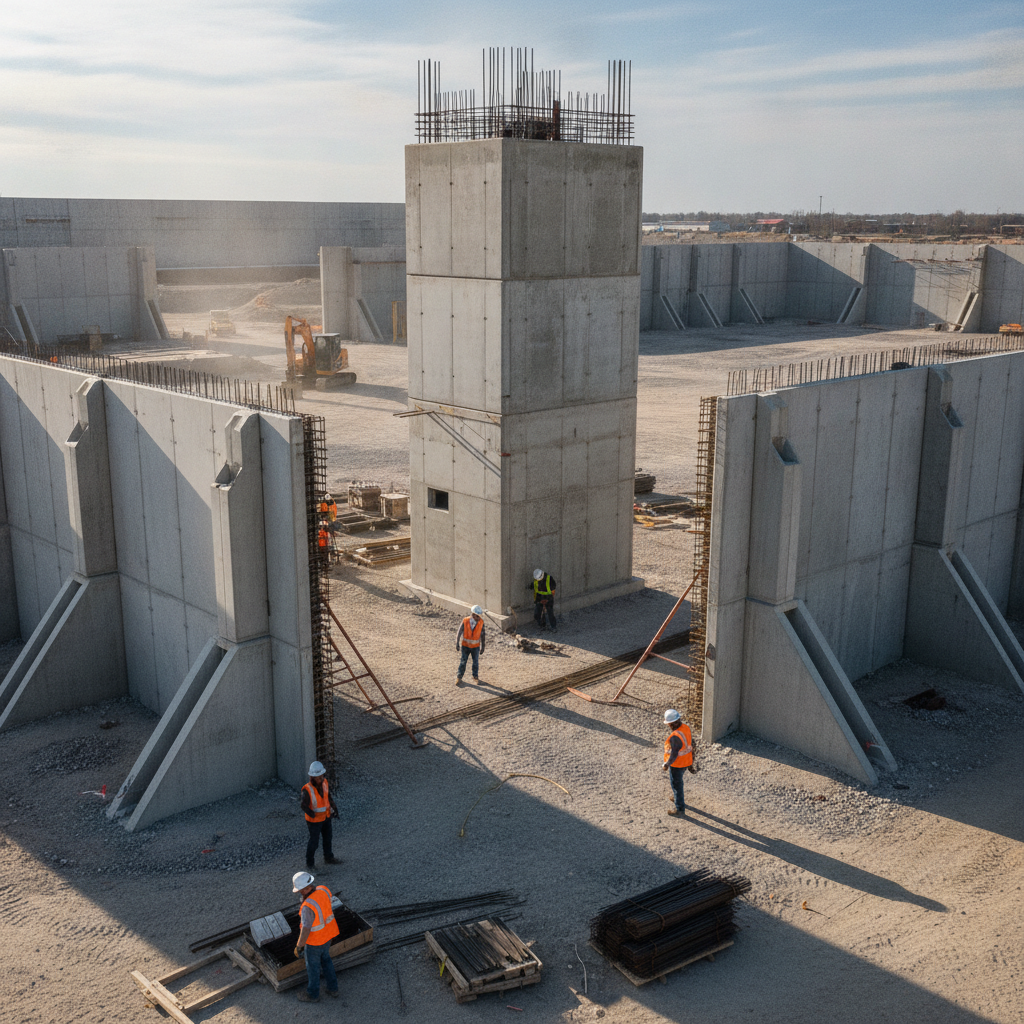
A tornado-resistant data center begins with a robust structural system, often utilizing reinforced concrete or structural steel with specialized bracing. The design must ensure a continuous load path, transferring forces from the building envelope through the structure and down to the foundation. This prevents progressive collapse if one component fails. The building envelope—the roof, walls, doors, and louvers—is the first line of defense and often the most vulnerable. True resilience requires hardening these elements to resist both extreme wind pressures and the impact of wind-borne debris. Achieving this level of protection involves specifying materials and assemblies tested for missile impact resistance. This can include thick, reinforced concrete walls, specialized roofing systems, and impact-rated doors and ventilation louvers. Every penetration of the building envelope must be carefully detailed to prevent it from becoming a failure point. The goal is to create a hardened shell that protects the critical IT and MEP infrastructure housed within, ensuring that a severe weather event does not compromise the facility’s core function. This level of structural hardening is a key differentiator for mission-critical facilities.
Protecting Critical MEP and IT Infrastructure
The most valuable assets in a data center are the servers, but the mechanical, electrical, and plumbing (MEP) systems that support them are equally critical. A tornado can easily disable a facility by damaging exposed equipment like generators, fuel tanks, cooling towers, and primary switchgear. A resilient design strategy involves physically protecting this infrastructure. The preferred approach is to locate all critical equipment within the hardened building envelope. When this is not feasible, equipment should be housed in dedicated, structurally independent enclosures built to the same impact-resistance standards. Beyond physical enclosures, robust anchoring and vibration isolation are essential to prevent equipment from shifting or detaching during a high-wind event. Utility coordination is also vital; power, water, and fiber optic entry points into the building must be hardened to prevent them from being severed. Protecting these systems is fundamental to maintaining uptime and facilitating a rapid return to normal operations after a storm passes. The site development plan must account for the location and protection of these critical assets from the earliest design stages.
Redundancy and System Segregation for Operational Continuity
Even with a hardened structure, the principle of redundancy is key to ensuring 100% uptime. Tornado-resilient design assumes that a localized failure is possible and builds in backups to prevent it from causing a total facility outage. This applies to every critical system, including power, cooling, and network connectivity. For example, a data center should have multiple, physically separate utility feeds entering the building at different, protected locations. This is a core component of effective utility coordination and risk mitigation. Inside the facility, redundant equipment like generators (N+1, 2N) and cooling systems should be physically segregated. Placing redundant components in separate, hardened fire-rated rooms prevents a single breach or fire from disabling both primary and backup systems. This strategy of system segregation extends to fuel lines, electrical conduits, and chilled water piping. By creating independent, redundant systems, the facility can withstand the loss of one component or even an entire section of the building while maintaining continuous operation, which is the ultimate goal of any mission-critical design.
Site Planning and Civil Engineering Strategies
Resilience starts before the foundation is poured. The civil engineering and site planning phases offer crucial opportunities to mitigate tornado risks. While site selection can help avoid the most high-risk areas, the design of the site itself is critical. This includes orienting the building to minimize the exposure of critical access points to prevailing storm paths and creating standoff distances from potential sources of wind-borne debris, such as large trees, communication towers, or adjacent, less-robust structures. A robust stormwater management system is another key consideration. The intense rainfall accompanying severe storms can lead to localized flooding, which can threaten underground utilities and equipment on the ground floor. The drainage design must be engineered to handle extreme precipitation events, directing water away from the building, generator yards, and fuel storage areas. Furthermore, the design of secure perimeter fencing, retaining walls, and site access roads must also consider resistance to high winds and potential debris, ensuring the site remains secure and accessible for emergency response after an event.
Business Continuity and Disaster Recovery Planning
The physical design of a tornado-resistant data center is only one part of the equation. This hardened infrastructure must support a comprehensive business continuity and disaster recovery (BCDR) plan. The engineering team must work closely with the facility’s operators to ensure the design aligns with operational protocols. This includes planning for emergency power sequencing, safe shutdown procedures, and data replication strategies to off-site locations. The BCDR plan should detail post-event procedures, including damage assessment protocols, repair priorities, and coordination with emergency services. The site development plan should facilitate this by providing clear, hardened access routes for fuel delivery trucks and repair crews. Ultimately, the success of a resilient design is measured by how quickly and safely the facility can recover and resume full operations. This integration of physical design and operational planning is the hallmark of a truly resilient mission-critical facility.
Our Process: Engineering for Mission-Critical Resilience
At RSP Engineers, our approach to designing resilient data centers is collaborative and proactive. We integrate our civil engineering expertise with the entire design team from day one to ensure the final facility is secure, compliant, and operationally robust. Risk Assessment and Site Analysis: We begin by evaluating potential sites for environmental risks, including tornadic activity, flooding, and other hazards, providing critical data for the site selection process. Integrated Design Collaboration: Our team works seamlessly with structural engineers, architects, and MEP consultants to ensure the site development plan supports the overall mission of resilience, from building placement to utility routing. Code Compliance and Enhanced Standards: We navigate the complex landscape of building codes and enhanced design standards (like ICC 500 and FEMA guidelines), ensuring the project meets all regulatory requirements while achieving the client’s resilience goals. Permitting and Agency Coordination: We manage the permit submittals and coordination with all authorities having jurisdiction, streamlining the approval process for these complex and critical projects. Construction Administration: During construction, we provide rigorous oversight to ensure that the design’s resilience features, from reinforced concrete pours to stormwater system installation, are executed to the highest quality standards.
Common Oversights in Tornado-Resistant Design
Even with the best intentions, several common oversights can compromise a data center’s resilience. One of the most frequent is focusing solely on the main structure while neglecting the vulnerability of the building envelope. An unrated roll-up door or louver can become a catastrophic failure point. Another issue is underestimating the threat of debris from on-site or adjacent properties; unsecured light poles, signage, or loose gravel roofing can become dangerous projectiles. Exposing critical outdoor equipment without adequate structural protection is a major vulnerability, as is failing to harden the points where utilities enter the building. Finally, a lack of integration between the physical design and the operator’s BCDR plan can render expensive engineering features ineffective during an actual emergency.
Partner with RSP Engineers for Resilient Data Center Design
Designing and permitting a data center that can withstand extreme weather requires a deep understanding of mission-critical engineering and regulatory landscapes. The team at RSP Engineers provides the expert civil engineering, site development, and permitting services needed to navigate these challenges. We collaborate with your team to deliver a resilient site that protects your investment and ensures operational continuity. Contact us today to discuss your mission-critical project needs.
Conclusion: Building the Future of Secure Digital Infrastructure
As our reliance on digital infrastructure grows, the need for physically secure and resilient data centers becomes more acute. Tornado-resistant design is a complex, multi-disciplinary effort that goes far beyond basic code compliance. It requires a holistic approach that integrates structural hardening, MEP system protection, and strategic civil engineering. By investing in resilience from the ground up, data center owners and operators can safeguard their assets, protect their personnel, and ensure the continuity of service that defines business continuity in the modern world.
FAQs
-
Standard building codes specify wind loads based on regional historical data to prevent structural collapse, but they may not account for the extreme rotational winds and rapid pressure changes of a tornado. True tornado-resistant design often incorporates higher wind speeds and, crucially, includes requirements for debris impact resistance, which is not typically covered by standard wind load provisions.
-
No. A tornado-resistant data center is a facility whose entire structure and envelope are hardened to protect equipment and maintain operations during a severe storm. A storm shelter is a specific, smaller space designed primarily for life safety to protect people from injury or death, engineered to an even higher standard of protection like ICC 500.
-
Civil engineering is foundational to resilience. It influences site selection, building orientation, and the layout of critical infrastructure. It also includes the design of robust stormwater management and drainage systems to prevent flooding during extreme rainfall and the engineering of secure, hardened access roads for emergency and recovery vehicles.