
Temporary Grading Plans for Active Data Center Construction
Discover the critical role of temporary grading plans in data center construction. Learn how interim drainage, access roads, and sediment control ensure project success.
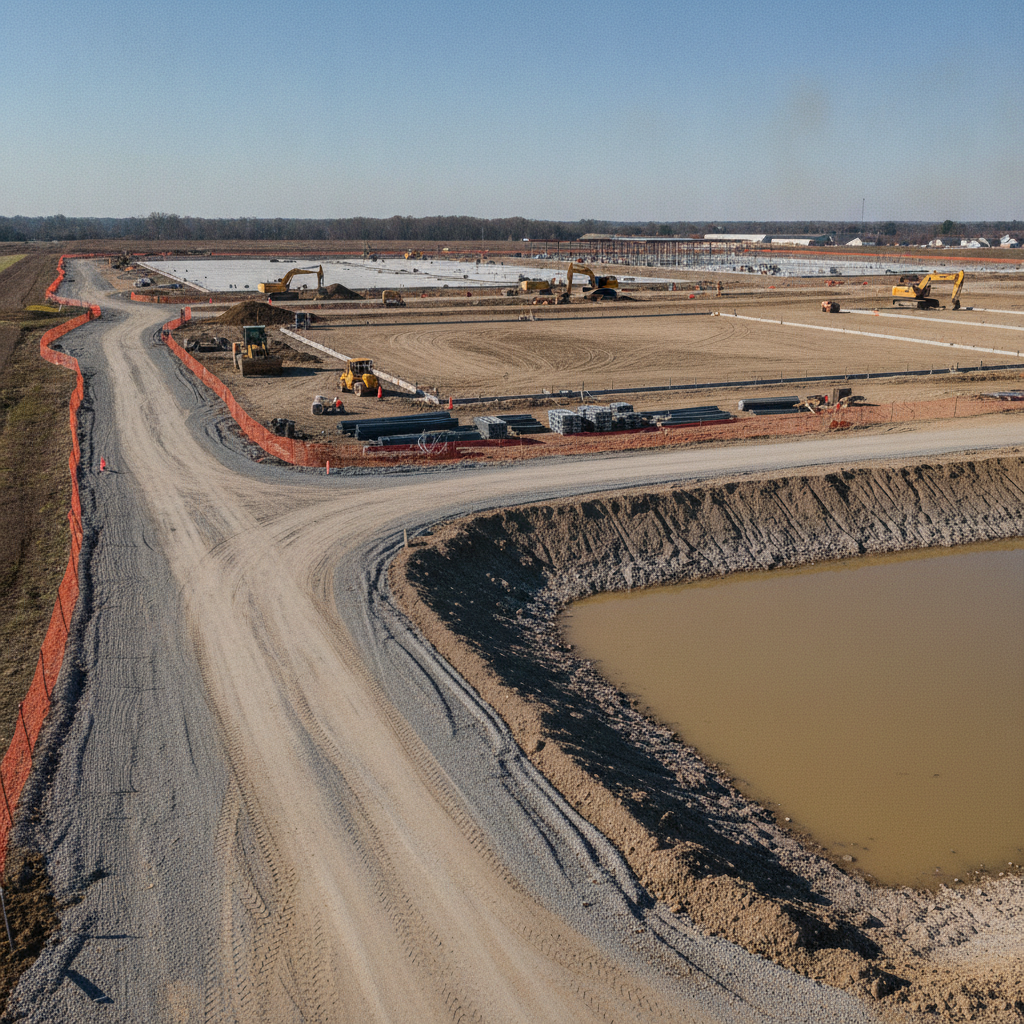
The Strategic Role of Interim Grading in Mission-Critical Construction
A temporary grading plan is a phased civil engineering document that directs how the land surface will be shaped during construction. Its primary goal is to control the flow of stormwater across a disturbed site, preventing erosion and the discharge of sediment into protected waterways. This is critical for maintaining compliance with federal and local environmental regulations. However, its role extends far beyond simple erosion control. This plan is a master key to site logistics. It establishes stable access for heavy machinery, designates properly drained material stockpile and laydown areas, and protects finished work—such as underground utility installations or building foundations—from being inundated or undermined by uncontrolled runoff. For a data center, where colossal cranes, concrete trucks, and component delivery vehicles operate continuously, a well-drained and stable surface is a non-negotiable safety and efficiency requirement. The plan ensures that phased construction can proceed logically without one trade’s activities negatively impacting another’s.
Core Components of a Temporary Grading and Drainage Plan
Comparison of Temporary vs. Final Grading Elements
| Feature | Temporary Grading Plan Objective | Final Grading Plan Objective |
|---|---|---|
| Site Drainage | Control runoff velocity, capture sediment, and direct water to temporary basins using swales and berms. Prevent erosion on exposed soils. | Collect and convey stormwater efficiently to permanent, engineered systems (inlets, pipes, ponds) for water quality treatment and quantity control. |
| Access Roads | Provide stable, all-weather access for heavy construction traffic. Designed for durability and temporary drainage. | Provide permanent, paved access for operational traffic, employees, and emergency vehicles, meeting final grade and ADA compliance standards. |
| Building Pad | Establish a rough-graded, stable, and well-drained platform for foundation work to begin. Protect the pad from surrounding runoff. | Achieve precise final elevations for the building slab, with positive drainage away from the foundation as part of the overall site grading. |
| Slopes & Embankments | Create stable, temporary slopes that resist erosion during construction, often using surface roughening or temporary seeding. | Establish permanent, vegetated slopes designed for long-term stability and aesthetic integration with the landscape plan. |
| Utility Corridors | Protect open trenches from flooding and ensure stable access for installation crews. Manage trench dewatering discharge. | Provide permanent cover and surface grading over installed utilities that integrates with final landscaping and paving. |
| Laydown Areas | Provide a large, compacted, and well-drained surface for material storage and equipment staging, often using a temporary aggregate surface. | Area is typically converted into permanent parking, landscaping, or other site features according to the final site plan design. |
A comprehensive temporary grading plan integrates several key components designed to work in concert. These elements are tailored to the specific phase of construction and the site’s unique topography and soil characteristics. The design must be robust enough to handle significant rainfall while being flexible enough to be modified as the site evolves. Permitting requirements for erosion and sediment control vary by jurisdiction, and every project team should confirm the applicable standards with the local, state, regional, and federal authorities that hold review authority over the site. Key components typically include: Temporary Sediment Basins and Traps: These are engineered impoundments designed to capture sediment-laden runoff, allowing soil particles to settle out before the water is discharged from the site. They are a primary requirement for compliance with NPDES construction general permits. Construction Haul Roads: These are stabilized pathways, often surfaced with aggregate, designed to support heavy vehicle traffic in all weather conditions. Their grades and drainage are carefully engineered to prevent erosion and maintain site access. Laydown Yards and Crane Pads: Large, flat, and stable areas are required for storing materials and staging heavy equipment like cranes. The temporary grading plan ensures these pads are properly compacted and graded to drain effectively, ensuring operational safety. Diversion Berms and Swales: Earthen berms or excavated channels used to intercept and redirect clean upland runoff around disturbed areas or to convey sediment-laden water to a sediment basin. This is a core principle of effective drainage design.
Integrating Temporary Grading with Permanent Site Infrastructure
A critical aspect of a successful temporary grading plan is its seamless integration with the final, permanent site design. The civil engineering team must design temporary features with the final condition in mind to minimize rework and maximize efficiency. For example, a temporary sediment basin might be located and sized so that it can be converted into a permanent stormwater management pond later in the project, saving significant earthwork costs. This forward-thinking approach applies to all elements. Temporary haul roads may be aligned along the paths of future permanent roadways. Utility trenches must be backfilled and stabilized in a manner that doesn’t disrupt temporary drainage patterns. The entire process is a carefully choreographed sequence where temporary measures are systematically removed or transitioned as permanent features like curb, paving, and underground storm sewers are installed. This requires constant communication between the design engineer, the contractor, and the owner to ensure the construction sequencing aligns with the plan’s intent.
Geotechnical Considerations for Temporary Site Conditions
The stability of temporary features is directly tied to the site’s underlying soil properties. A thorough Geotechnical Engineering investigation is a prerequisite for designing a safe and effective temporary grading plan. The Geotechnical soil report provides critical data on soil type, strength, and stability, which informs the design of temporary slopes, stockpile heights, and the subgrade preparation for haul roads and crane pads. Ignoring geotechnical recommendations can lead to catastrophic failures, such as slope collapses or bearing capacity failure under a crane. The plan must specify appropriate compaction requirements for any temporary fill and define maximum safe slope angles for cuts and embankments. For data center projects, which often involve deep excavations for basements or utility vaults, managing groundwater and ensuring the stability of adjacent temporary slopes is a major focus of the geotechnical engineer and civil design team.
Phasing and Sequencing: The Key to a Successful Plan
A data center construction site is in a constant state of flux. Therefore, a temporary grading plan cannot be a single, static document. It must be a phased plan that evolves with the project. A typical project might have several distinct phasing plans: an initial plan for mass grading and erosion control installation, another for the building pad and deep utility construction phase, and subsequent plans for paving and final stabilization. Each phase presents unique challenges for drainage design and access. This phased approach ensures that erosion and sediment control measures are always appropriate for the current level of site disturbance. It requires a proactive partnership between the design Professional Engineer and the construction team to anticipate upcoming activities and adjust the plan accordingly. Regular site inspections and meetings are essential to confirm the plan is being implemented correctly and to make real-time adjustments as field conditions dictate, ensuring continuous zoning compliance and permit adherence.
The RSP Engineers Approach to Dynamic Site Management
At RSP Engineers, we view the temporary grading plan as a critical risk management tool for mission-critical projects. Our approach is collaborative and proactive, ensuring the plan is both compliant and constructible. We are one of the Civil Engineering firms that prioritizes a deep understanding of the project’s construction sequence to create plans that work in the real world. Our process involves: Comprehensive Site Assessment: We begin by analyzing the master site plan design, geotechnical reports, and environmental constraints to develop a holistic understanding of the project’s challenges and opportunities. Phased Plan Development: We create a series of detailed, phased erosion and sediment control plans that align directly with the contractor’s proposed construction sequence, ensuring the right measures are in place at the right time. Collaborative Construction Support: We work closely with the construction team throughout the project, providing responsive support, performing site inspections, and adapting the plan as needed to address unforeseen conditions and keep the project moving forward. Advanced Modeling: We utilize sophisticated software for earthwork analysis and drainage design, helping to balance cut/fill volumes and optimize the placement of temporary drainage features.
Common Challenges in Temporary Grading for Data Centers
Even with a meticulously designed plan, data center sites present unique challenges. The sheer volume of earthwork can be staggering, requiring massive, well-managed stockpile areas that must themselves be protected from erosion. The fast-track nature of these projects means that multiple phases of work—such as mass grading, utility installation, and vertical construction—often overlap, creating complex logistical and drainage puzzles. Maintaining compliance with the project’s Stormwater Pollution Prevention Plan (SWPPP) during intense or prolonged rain events is a constant battle. This requires diligent maintenance of all temporary measures and the ability to deploy emergency controls quickly. Coordinating the activities of numerous subcontractors to ensure they don’t inadvertently damage or block temporary drainage features is another significant challenge that demands excellent communication and robust Construction Management Services. Frequently Asked Questions What is the primary purpose of a temporary grading plan? The primary purpose is to manage stormwater runoff on a disturbed construction site to prevent erosion and sediment pollution, in compliance with local and federal regulations like the Clean Water Act. It also provides safe, stable access for construction activities and protects the project investment. How often does a temporary grading plan need to be updated? The plan should be considered a living document. It must be updated whenever the nature of land-disturbing activities changes significantly. This typically corresponds to major shifts in the construction sequence, such as moving from mass grading to building construction or beginning final paving operations. Who is responsible for implementing and maintaining the temporary grading measures? The general contractor is typically responsible for the physical implementation and day-to-day maintenance of all erosion and sediment control measures shown on the plan. The design civil engineer provides oversight and guidance, and the owner is ultimately responsible for overall permit compliance. How does temporary grading impact the project’s overall budget and schedule? A well-designed plan saves money and time by preventing costly erosion damage, rework, and regulatory fines or stop-work orders. While there is an upfront cost for installing and maintaining these measures, it is minor compared to the potential financial and schedule impacts of an uncontrolled site. Can temporary drainage features be incorporated into the final design? Yes, this is a key strategy in efficient site development. With careful planning, temporary sediment basins can be designed to be converted into permanent stormwater ponds, and temporary diversion swales can be graded to become part of the final landscape drainage system, reducing overall earthwork and project costs.
Partner with RSP Engineers for Your Mission-Critical Project
Successfully navigating the complexities of data center construction requires an engineering partner who understands the critical importance of every phase, from initial groundbreaking to final commissioning. RSP Engineers provides expert civil engineering, permitting, and site development services tailored to the unique demands of mission-critical facilities. Our team excels at creating dynamic, constructible temporary grading plans that mitigate risk, ensure compliance, and support aggressive project schedules. Let us put our expertise in utility coordination and construction administration to work for you.
Conclusion
The temporary grading plan is an indispensable component of any successful data center construction project. It is far more than a regulatory hurdle; it is a strategic plan for managing risk, maintaining operational efficiency, and protecting the environment. By focusing on robust drainage design, logical phasing, and close collaboration with the construction team, developers can ensure their sites remain stable, accessible, and compliant throughout the build. Investing in expert civil engineering for this critical interim stage pays dividends by preventing delays and safeguarding the project’s bottom line.
FAQs
-
Temporary Grading Plans for Active Data Center Construction requires careful planning, qualified engineering, and compliance with the applicable codes and permits.
-
Getting Temporary Grading Plans for Active Data Center Construction right protects safety, supports regulatory compliance, and avoids costly redesigns or delays.
-
RSP Engineers provides licensed expertise and end-to-end support for Temporary Grading Plans for Active Data Center Construction, from early planning through permitting.