
Locating Generator Yards Within Data Center Campuses
Learn the key civil engineering considerations for locating generator yards on data center campuses, including fuel containment, acoustics, vehicle access, and permitting. A guide for developers and m
Foundational Site Planning and Grading
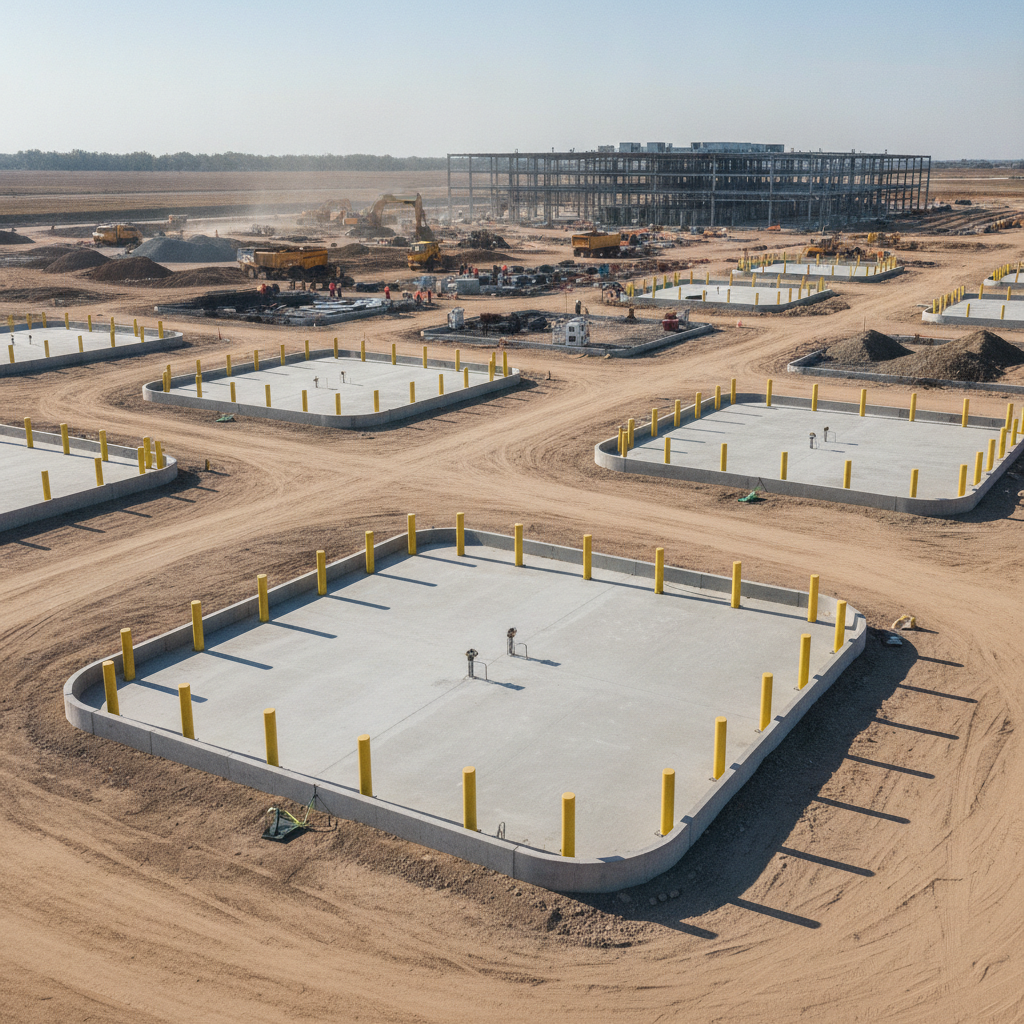
The location of the generator yard is a foundational decision in the overall campus site plan design. It influences site circulation, utility routing, and future expansion capabilities. The civil engineering team must analyze the site’s topography to determine an optimal location that minimizes extensive earthwork while ensuring proper drainage. The generator pads require a stable, level base, which often necessitates detailed Geotechnical Engineering investigations to assess soil bearing capacity and recommend appropriate subgrade preparation. A comprehensive soil boring test can prevent costly foundation issues down the line. The grading plan for the generator yard must be meticulously integrated with the campus-wide stormwater management system. Positive drainage must be established to direct rainwater away from sensitive equipment, electrical gear, and fuel systems. This involves careful design of swales, inlets, and underground piping to prevent ponding water that could compromise equipment or create safety hazards. The grading must also accommodate access roads, maintenance aprons, and the foundations for ancillary structures like fuel tanks and switchgear.
Separation, Clearance, and Safety Requirements
Key Siting Considerations for Data Center Generator Yards
| Siting Factor | Key Civil Engineering Challenge | Design & Permitting Solution |
|---|---|---|
| Fuel Storage & Delivery | Ensuring safe tanker access and robust spill containment. | Design wide-radius access roads, perform truck turning analysis, and engineer a secondary containment system compliant with SPCC regulations. |
| Acoustic & Air Quality | Mitigating noise and exhaust impacts on neighbors and building air intakes. | Conduct acoustic modeling, site the yard based on prevailing winds, and incorporate sound walls or landscape berms into the site plan. |
| Maintenance & Safety Access | Providing adequate clearance for personnel and equipment. | Incorporate wide service aisles, adhere to fire code access requirements, and ensure clear separation from other site operations. |
| Stormwater & Spill Containment | Managing clean stormwater separately from potential fuel spills. | Design a dedicated drainage system within the containment area with isolation valves and integrate the yard's impervious area into the overall stormwater management plan. |
| Foundation & Grading | Ensuring stable support for heavy equipment and providing positive drainage. | Perform a Geotechnical soil report to inform foundation design and develop a detailed grading plan that prevents ponding around critical infrastructure. |
| Security & Screening | Protecting critical assets and meeting aesthetic/zoning requirements. | Integrate security fencing, controlled access gates, and landscape or architectural screening into the site development plan to meet both security and local code requirements. |
Determining the appropriate separation distances is a critical safety and regulatory task. Generator yards must be located with adequate clearance from the main data hall, administrative buildings, property lines, and public rights-of-way. These setbacks are dictated by building codes, fire codes, and sometimes insurance underwriter requirements. The goal is to mitigate risks associated with fire, noise, and exhaust while ensuring sufficient space for firefighting access and equipment operation. The design must also account for clearances needed for routine maintenance, equipment replacement, and potential future expansions. Beyond basic setbacks, the layout must consider the operational safety of personnel. This includes providing clear, unobstructed pathways for maintenance staff and emergency responders. Code requirements for equipment separation and fire safety vary by jurisdiction, and it is crucial for the project team to confirm all applicable standards with the local, state, regional, and federal authorities that hold review authority over the site. A thorough code analysis during the initial design phase is essential for avoiding significant rework during the agency review process.
Fuel System Design and Spill Containment
The fuel system is the lifeblood of the generator yard. Siting the bulk fuel storage tanks requires careful consideration of delivery access, security, and environmental protection. The civil engineering design must incorporate robust spill prevention and containment measures that comply with federal Spill Prevention, Control, and Countermeasure (SPCC) regulations as well as any local requirements. This typically involves designing a secondary containment system capable of holding the volume of the largest tank plus precipitation. This containment area is often constructed with reinforced concrete walls and slabs with an impervious coating. The drainage design within this area is critical; it must be able to collect spills and contaminated stormwater while preventing their release into the environment. This often involves specialized drainage inlets, manual or automatic valves, and sometimes oil-water separators. The entire system must be designed for durability and ease of inspection to ensure long-term zoning compliance and environmental protection.
Exhaust, Acoustics, and Environmental Compliance
Generators produce significant noise and exhaust, both of which are subject to environmental regulations. The location of the generator yard must be carefully chosen to minimize its impact on neighboring properties and the data center itself. Prevailing wind direction should be analyzed to ensure that exhaust plumes are directed away from the building’s fresh air intakes, cooling towers, and public areas. Failure to do so can lead to air quality issues within the facility. Acoustic management is another primary concern. Local ordinances often dictate maximum permissible noise levels at the property line. An acoustical engineer may be needed to model sound propagation and determine the required level of mitigation. Civil engineers then incorporate these recommendations into the site development plan, which may include constructing sound-attenuating barrier walls, specifying acoustically rated generator enclosures, or strategically using landscape berms to buffer noise. These measures are critical for securing necessary environmental and land use permits.
Vehicle Access and Fuel Delivery Logistics
A generator yard is useless without a reliable fuel supply, which depends on safe and efficient access for large tanker trucks. The roadway engineering component of the site design must provide clear, durable access roads capable of supporting heavy vehicle loads. A key task for the civil engineer is performing turning movement analysis to ensure that fuel trucks can safely navigate the site, approach the fueling area, and exit without complex maneuvers. The design must include a designated fueling apron with adequate space for the truck and personnel to operate safely. Protective bollards are essential to shield fuel tanks, piping, and other critical infrastructure from accidental vehicle impacts. The circulation plan for fuel delivery should be segregated from general staff and visitor traffic wherever possible to enhance site safety and security. This logistical planning is a core part of a successful site engineering services package.
Utility Coordination and Electrical Infrastructure
Effective utility coordination between the civil and electrical engineering teams is paramount. The generator yard is a nexus of critical infrastructure, including high-voltage conduits, transformers, and switchgear. The civil site plan must accommodate extensive underground duct banks that connect the generators to the data center’s electrical backbone. The layout must provide adequate separation between electrical conduits and other utilities, such as water, sewer, and gas lines, to prevent conflicts and ensure safety. The design must also provide stable, accessible concrete pads for transformers and other electrical equipment. These pads must be coordinated with the overall site grading and drainage plan. Protecting this infrastructure is crucial, so the site plan should incorporate measures like bollards, curbing, and controlled access to prevent damage from vehicles or unauthorized personnel. This integrated design approach ensures that the power infrastructure is both functional and resilient.
The RSP Engineers Approach to Generator Yard Siting
At RSP Engineers, we approach generator yard siting as an integrated component of the overall data center master plan. Our process begins with a thorough site analysis and feasibility study, where we evaluate geotechnical constraints, utility availability, and regulatory hurdles. We work collaboratively with the client, architects, and MEP engineers to identify an optimal location that balances operational needs with site limitations. Our team then develops a detailed site plan design that addresses all critical civil engineering elements, including grading, drainage, utility routing, and vehicle circulation. We manage the complex permitting process, preparing comprehensive submittals for review by all authorities having jurisdiction. During construction, we provide construction administration and support to ensure the design is executed precisely, helping our clients deliver resilient and reliable mission-critical infrastructure.
Common Issues and Design Challenges
Even with careful planning, several common issues can arise when siting a generator yard. Underestimating the turning radius of a fuel tanker is a frequent mistake, leading to costly rework of curbs and access roads. Another common oversight is neglecting the acoustic impact on adjacent properties, which can result in permit violations and legal disputes. Inadequate spill containment design is a major red flag for environmental regulators and can significantly delay project approvals. Perhaps the most critical challenge is a lack of coordination between the civil, electrical, and mechanical design teams. Misaligned duct banks, conflicts between underground utilities, or improperly graded equipment pads can cause significant construction delays and budget overruns. A proactive and experienced lead design professional, often the civil engineering firm, is essential to facilitate communication and ensure all disciplines are working from a unified plan.
Partner with RSP for Your Mission-Critical Projects
Successfully siting a data center generator yard requires deep expertise in land development, regulatory compliance, and multi-disciplinary coordination. The team at RSP Engineers has a proven track record of delivering robust and efficient site designs for mission-critical facilities across the nation. We navigate the complexities of utility coordination, stormwater management, and the agency permitting process to keep your project on schedule and on budget. Contact us today to discuss how our site engineering services can support your next data center project.
Conclusion
The generator yard is a cornerstone of data center reliability, and its proper placement is a critical civil engineering task that impacts safety, compliance, and long-term operational success. By carefully considering factors like grading, fuel containment, vehicle logistics, and environmental impacts from the outset, developers can avoid costly delays and create a resilient facility. A successful project hinges on a holistic approach to site development and a strong partnership with an experienced civil engineering team that understands the unique demands of mission-critical infrastructure.
FAQs
-
The first step is a comprehensive site analysis as part of the project’s master planning phase. This includes a preliminary Geotechnical Engineering assessment, a review of zoning and environmental regulations, and an evaluation of site logistics to identify several viable locations for further study.
-
Noise regulations are addressed through a combination of strategic siting and engineering controls. An acoustic study is often performed to predict noise levels at the property line. Based on the results, the design may incorporate solutions like sound-attenuating walls, high-performance generator enclosures, or orienting the yard to direct noise away from sensitive receptors to achieve zoning compliance.
-
The primary concerns are compliance with federal SPCC rules and local environmental codes. This requires designing a secondary containment system large enough to hold a catastrophic spill and managing the stormwater that collects within it. The design must ensure that no fuel or contaminated water can escape into the surrounding environment.