
From Raw Land to Permit: A Florida Developer’s Engineering Timeline
Navigate the complex Florida land development process. Our guide details the civil engineering timeline from due diligence and zoning to final permit approval.
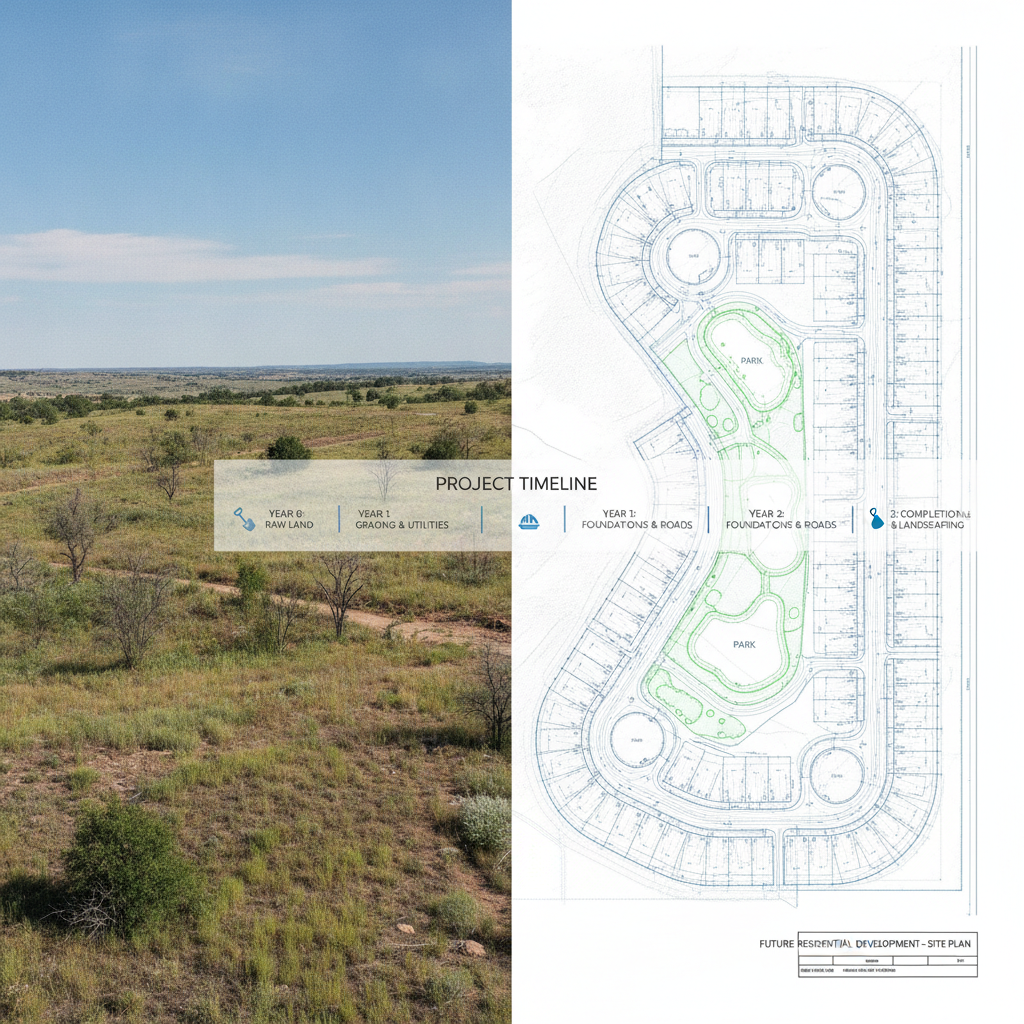
Phase 1: Due Diligence and Feasibility Analysis (Weeks 1-4)
The most critical phase of any land development project happens before a single line is drawn on a plan. The due diligence and feasibility period is an intensive investigation to uncover any potential fatal flaws or significant constraints. A thorough analysis at this stage prevents costly surprises down the road. Key activities include a comprehensive zoning compliance review to confirm the intended use is permitted and to identify setbacks, density limits, and other code requirements. We also conduct preliminary environmental assessments to screen for wetlands, protected species, or contamination that could impact the developable area or trigger additional permitting. Simultaneously, our team initiates research into the availability and capacity of existing utilities. This initial utility coordination with local providers for water, sewer, power, and communications is essential for understanding connection costs and potential off-site improvements. A boundary and topographic survey is commissioned to provide the foundational data for all future design work. This phase culminates in a feasibility report that summarizes findings, identifies major risks, and provides a preliminary opinion of probable costs, forming the basis for a go/no-go decision on the project.
Phase 2: Conceptual and Preliminary Site Plan Design (Weeks 4-8)
Key Permitting Milestones and Typical Review Durations
| Permit / Milestone | Key Engineering Deliverable | Typical Florida Agency Review Time (Per Cycle) |
|---|---|---|
| Zoning / Land Use Conformance | Preliminary Site Plan, Zoning Data Table, Written Narrative | 30-60 Days |
| Preliminary Plat / Site Plan Approval | Detailed Preliminary Plat, Utility Layout, Preliminary Drainage Report | 45-90 Days |
| Environmental Resource Permit (ERP) | Complete Stormwater Management Report, ERP Plans, Environmental Narratives | 60-90 Days |
| Final Construction Plan Approval | Signed & Sealed Civil Drawings, Geotechnical Report, Utility Agreements | 45-75 Days |
| FDEP Water / Sewer Permit | Detailed Utility Plans, Capacity Calculations, System Specifications | 30-60 Days |
| FDOT Access / Drainage Permit | Traffic Impact Study, Driveway/Turn Lane Design, Right-of-Way Drainage Calcs | 60-120 Days |
Once the project is deemed feasible, the process moves into conceptual design. This phase translates the project’s program and the findings from due diligence into a tangible layout. The goal is to create a preliminary site plan design that optimizes the use of the land while respecting the identified constraints. This involves arranging buildings, parking areas, access roads, and green spaces in a logical and efficient manner. It’s a collaborative process where we explore various layout options to maximize yield and functionality. During this stage, we develop the foundational concepts for the project’s infrastructure. This includes establishing a preliminary grading approach and outlining the core strategy for stormwater management, a critical component of any Florida development. We determine the likely locations for retention or detention ponds and conceptualize the overall drainage design. Access points are carefully sited based on traffic safety, visibility requirements, and local roadway engineering standards. This preliminary plan becomes the primary exhibit for initial discussions with municipal planning staff.
Phase 3: Detailed Civil Engineering Design and Construction Documents (Weeks 8-16)
With an approved conceptual layout, the team dives into the detailed engineering phase. This is where the preliminary concepts are transformed into a complete set of construction documents. The work is meticulous and highly technical, involving precise calculations and detailed drawings for every aspect of the site’s infrastructure. The grading and drainage design is finalized, ensuring positive drainage away from buildings and across the site to the designated stormwater management facilities. All pipe networks, inlets, and control structures are designed and specified. A significant effort in this phase is dedicated to final utility coordination. We design the on-site water distribution, sanitary sewer collection, and reclaimed water systems, coordinating connection points and design standards with each respective utility provider. The design must also ensure full ADA compliance for all pedestrian routes, including sidewalks, curb ramps, and accessible parking. The final output is a comprehensive set of plans and specifications that a contractor can use to build the project and that agencies can review for permitting.
Phase 4: Agency Pre-Application Meetings and Initial Submittals (Weeks 16-20)
Before formally submitting hundreds of pages of plans and reports, a strategic step is to engage with the reviewing agencies. Pre-application meetings with the local municipality (city or county), the regional Water Management District (WMD), and other relevant bodies like the Florida Department of Environmental Protection (FDEP) are invaluable. These meetings allow us to present the preliminary design, discuss potential challenges, and gain clarity on specific interpretations of the land development code. This proactive communication helps align our design with agency review expectations. This step can significantly streamline the formal review process by identifying major issues early. For example, a discussion about a unique stormwater management approach or a requested design waiver can be vetted before the clock starts on the formal review. Following these meetings, we prepare the initial permit submittals, carefully assembling all required plans, calculations, reports, and application forms into a complete package. A well-prepared submittal is the foundation for an efficient review cycle.
Phase 5: Formal Permit Submittal and Agency Review Cycles (Weeks 20-36+)
This phase is often the longest and most unpredictable part of the timeline. Once the complete application package is submitted, it enters the formal agency review process. In Florida, a project typically requires approvals from multiple entities. The local municipality reviews for compliance with zoning, subdivision regulations, and local infrastructure standards. The Water Management District (WMD) issues an Environmental Resource Permit (ERP), focusing intensely on stormwater management, flood protection, and wetland impacts. Other agencies like the FDEP (for water/sewer), Department of Health (for septic systems), and FDOT (for state road connections) may also be involved. Each agency performs its own detailed review, which can take anywhere from 30 to 90 days for the first cycle. They will issue a list of comments or a Request for Additional Information (RAI). These comments can range from minor clarifications to requests for significant redesign of components like the drainage design or utility layouts. It is standard to anticipate at least two review cycles, as the first round of responses often generates follow-up questions. Effective management of these concurrent reviews is a core function of the civil engineering team.
Phase 6: Addressing Review Comments and Securing Final Approvals (Timeline Varies)
Responding to agency comments is an iterative and detailed process that requires both technical expertise and strong communication skills. Each comment from the reviewers must be addressed thoroughly with revised drawings, updated calculations, or narrative responses. The quality and clarity of these responses directly impact the timeline. Vague or incomplete answers can trigger additional review cycles, adding weeks or months to the schedule. Our approach is to provide clear, concise, and technically sound responses that demonstrate compliance with the applicable codes and regulations. This back-and-forth continues until all agency concerns are resolved. Successful navigation of this phase relies heavily on the engineer’s experience with the specific reviewers and their understanding of the intent behind the code. Once all parties are satisfied, the agencies will issue their final approvals. This culminates in the issuance of the site development permit from the local municipality, which grants the authority to begin construction of the site infrastructure. This is a major milestone, marking the transition from design and permitting to the construction phase.
How RSP Engineers Streamlines the Development Timeline
At RSP Engineers, our process is built around proactive management and foresight to minimize delays. We streamline the land development timeline by front-loading the due diligence process, identifying critical path items early, and fostering strong, professional relationships with agency staff across Florida. Our deep familiarity with the specific requirements of local municipalities and Water Management Districts allows us to anticipate comments and design for compliance from the outset. We believe in a systematic approach to permit submittals, ensuring every package is complete and clear, reducing the likelihood of deficiency letters. Our team excels at complex utility coordination, acting as a single point of contact between the project and multiple utility providers to resolve conflicts before they impact the schedule. By integrating our site plan design and stormwater management expertise, we create holistic solutions that are both efficient and permittable. We leverage our experience to guide clients through every phase, providing clear communication and strategic advice to keep the project moving forward toward a successful and timely permit approval.
Common Pitfalls That Extend the Engineering Timeline
Even with the best planning, certain issues can derail a project’s timeline. One of the most common pitfalls is an inadequate due diligence phase, where a critical constraint like a buried utility easement or a jurisdictional wetland is missed. Unexpected environmental findings are another major source of delay, as the discovery of protected species or cultural resources can trigger lengthy consultations with state and federal agencies. Incomplete permit submittals are a frequent and avoidable problem; missing forms, fees, or technical reports will result in an immediate rejection and a loss of weeks. Complex utility coordination, especially in dense urban areas with aging infrastructure, can also lead to significant delays as relocations and upgrades are negotiated. Seeking major zoning variances or comprehensive plan amendments introduces a public hearing process that can add months to the front end of the schedule. Finally, underestimating the number of agency review cycles is a common planning error. It is prudent to always budget time for at least two, if not three, rounds of comments and revisions for a moderately complex project.
Start Your Florida Land Development Project on the Right Timeline
A predictable timeline is the backbone of a successful development project. Don’t let unforeseen delays and regulatory hurdles put your investment at risk. The team at RSP Engineers provides the strategic guidance and technical expertise needed to navigate Florida’s complex development landscape. From initial due diligence and feasibility to final permit submittals, we manage every step with precision and foresight. Contact us today to discuss your project and learn how our proactive approach to civil engineering and permitting can set you up for success.
Navigating the Path to a Permit-Ready Site
In conclusion, the journey from raw land to a permitted site is a marathon, not a sprint. It requires a methodical progression through due diligence, design, and a multi-layered agency review process. Understanding this timeline is essential for any developer in Florida. Success hinges on thorough upfront investigation, robust civil engineering design, and an experienced team that can effectively manage the complexities of stormwater permitting and utility coordination. By anticipating challenges and engaging in a proactive process, you can navigate the path to approval more efficiently and bring your vision to life.
FAQs
-
For a standard commercial or subdivision project with no major zoning hurdles, a realistic timeline is 9 to 18 months from the start of engineering to receiving a final site development permit. This can be shorter for very simple projects or significantly longer for large, complex, or controversial developments.
-
The most common cause is often an incomplete initial submittal, followed closely by unresolved technical comments from the reviewing agency, particularly related to stormwater management and drainage design. These issues often lead to multiple review cycles, which is the single largest consumer of time in the permitting process.
-
Generally, no. Land clearing or any form of construction activity typically cannot begin until you have an approved site development permit and, in many cases, an Environmental Resource Permit (ERP) from the Water Management District. Unauthorized clearing can result in significant fines and stop-work orders.