
Forging the Future: How RSP Engineers Develops the Next Generation of Civil Engineering Talent
Discover RSP Engineers’ comprehensive approach to training the next generation of civil engineers in Florida, from EIT mentorship to PE licensure and beyond.
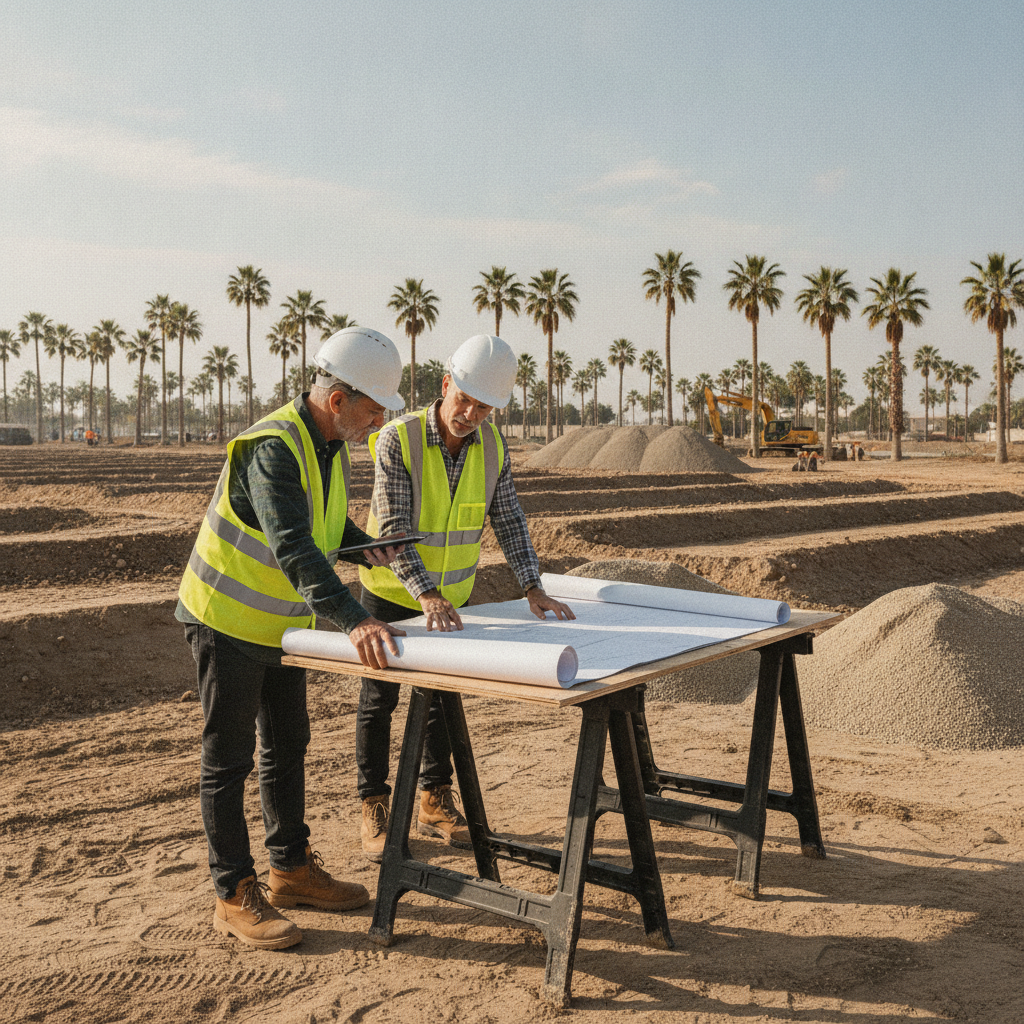
From Classroom Theory to Real-World Application: The EIT Onboarding Process
The journey from university to a professional engineering role is a critical transition. We bridge this gap with a structured onboarding process for every new Engineer in Training (EIT). The initial weeks are focused on immersing our new team members in the practical realities of Florida civil engineering. This goes beyond a simple software tutorial; it’s about understanding the “why” behind the design. EITs are introduced to our firm’s standards for plan production, calculation methodologies, and the specific requirements of key Florida agencies, such as the Water Management Districts (WMDs) and the Florida Department of Environmental Protection (FDEP). Early training emphasizes proficiency in essential tools like AutoCAD Civil 3D for drafting and design, as well as specialized software for stormwater modeling like ICPR or AdICPR. However, the focus remains on application. An EIT doesn’t just learn how to model a pipe network; they learn how that network must comply with local concurrency and level-of-service standards. This foundational period ensures that every engineer understands the direct link between their design choices and the successful permitting of a project.
Structured Mentorship: The Cornerstone of Professional Growth
RSP Engineer Development Pathway: Milestones and Skill Acquisition
| Stage / Title | Typical Timeline | Key Skills & Responsibilities | Mentorship Focus |
|---|---|---|---|
| Engineer Intern / EIT (Year 1) | 0-2 Years | Drafting in Civil 3D, basic grading and drainage calculations, preparing permit application exhibits, stormwater report assistance. | Foundational technical skills, understanding firm standards, introduction to agency requirements. |
| Project Engineer (Years 2-4) | 2-4 Years | Designing utility systems, developing complete stormwater management plans, preparing full permit submittal packages, responding to agency comments. | Design autonomy, interpreting review comments, developing problem-solving skills for zoning compliance. |
| Licensed Professional Engineer (PE) | Year 4+ | Signing and sealing construction plans, leading client meetings, managing smaller projects, mentoring EITs. | Project management fundamentals, client communication, ethical and legal responsibilities. |
| Project Manager | Year 6+ | Managing project budgets and schedules, primary client contact, coordinating multidisciplinary teams, business development support. | Advanced project management, financial oversight, strategic planning, and leadership. |
| Senior Project Manager | Year 10+ | Overseeing a portfolio of complex projects, leading client acquisition, contributing to firm strategy, mentoring Project Managers. | High-level strategic guidance, business acumen, and developing the next generation of firm leaders. |
Technical skills alone do not make a great engineer. Navigating the nuances of client communication, agency negotiations, and interdisciplinary collaboration requires guidance. At RSP, every EIT is paired with a senior Professional Engineer (PE) who serves as a dedicated mentor. This relationship is the cornerstone of our development program, providing a direct line for asking questions, receiving constructive feedback, and gaining insight that can only come from years of experience. This mentorship extends to the most complex aspects of land development. A mentor guides an EIT through their first major permit submittal, explaining the strategy behind the application narrative. They provide context during challenging utility coordination meetings and offer perspective on how to interpret and address comments from an agency review. This one-on-one guidance accelerates learning, builds confidence, and ensures that our firm’s high standards for quality and diligence are passed down effectively.
Gaining Invaluable Field Experience: From Site Plans to Site Visits
A design is only as good as its constructability. We firmly believe that engineers must spend time in the field to understand the real-world implications of their plans. Our EITs are actively involved in the construction phase of projects, moving their experience beyond the screen. This includes attending pre-construction meetings, conducting site visits to observe progress, and assisting with construction administration tasks like reviewing shop drawings and responding to Requests for Information (RFIs). This hands-on experience is invaluable. Witnessing the installation of a complex drainage design, observing how grading plans translate to actual earthwork, and seeing the practical requirements for ADA compliance on a sidewalk ramp provides a level of understanding that cannot be replicated in the office. This field exposure makes our engineers better designers, as they learn to anticipate construction challenges and create more efficient, practical, and cost-effective plans.
Mastering the Tools of the Trade: Advanced Software and Technology Training
The field of civil engineering is constantly evolving with new technologies. To stay at the forefront, we invest in continuous training on advanced software and digital tools. Beyond the basics, our engineers develop expertise in sophisticated platforms for hydrologic and hydraulic modeling, GIS analysis for due diligence and site selection, and project management software to ensure seamless project delivery. This commitment to technology ensures our team can perform complex analyses for stormwater management systems and optimize every aspect of a site plan design. This training is not a one-time event. We hold regular internal workshops and support attendance at external seminars to keep our team’s skills sharp. By mastering these tools, our engineers can more effectively model project constraints, identify opportunities for value engineering, and produce highly accurate deliverables. This technological proficiency translates directly into better outcomes for our clients, from more efficient designs to smoother agency review cycles.
Navigating Florida’s Regulatory Landscape: A Deep Dive into Permitting
Securing permits in Florida is one of the most challenging aspects of site development. Our training program places a heavy emphasis on demystifying this process. Engineers learn to navigate the overlapping jurisdictions of city, county, state, and federal agencies. This includes detailed instruction on preparing Environmental Resource Permit (ERP) applications, understanding local zoning codes, and addressing specific requirements for everything from utility connections to driveway access permits from the Florida Department of Transportation (FDOT). Our senior engineers guide junior staff through the entire permitting lifecycle. They learn how to compile a comprehensive submittal package, how to write clear and concise responses to reviewer comments, and when to proactively engage with agency staff to resolve potential issues. This deep dive into the regulatory framework is essential for minimizing delays and ensuring that our clients’ projects move forward predictably. A thorough understanding of zoning compliance and agency expectations is a non-negotiable skill for every engineer at our firm.
The Path to Licensure: Supporting the Journey to a Professional Engineer (PE)
The ultimate goal for an Engineer in Training is to become a licensed Professional Engineer (PE). RSP Engineers provides unwavering support throughout this challenging journey. We ensure that our EITs are given a diverse range of project responsibilities that meet the experience requirements for licensure in Florida. This includes documented work in design, analysis, and project management under the supervision of a licensed PE. Beyond providing qualifying experience, we foster a supportive environment for exam preparation. This includes access to study materials, encouraging the formation of study groups, and offering flexibility for exam preparation. Achieving PE licensure is a significant milestone, signifying a mastery of technical principles, a commitment to ethical practice, and a thorough understanding of regulations like the Florida Building Code. We celebrate this achievement as a victory for both the individual and the firm, as it strengthens our collective expertise.
Our Approach to Continuous Professional Development
Our commitment to growth doesn’t end with a PE license. We view professional development as a continuous journey. RSP Engineers fosters a culture of lifelong learning through regular in-house “lunch and learn” sessions, where senior staff present on advanced topics like new stormwater management technologies or updates to the Florida Building Code. We also encourage and support participation in professional organizations like the American Society of Civil Engineers (ASCE) and the Florida Engineering Society (FES). This holistic approach ensures our team remains at the cutting edge of the industry. By investing in our engineers’ ongoing education, we are better equipped to handle the full site development lifecycle, from initial feasibility studies to final project closeout. This culture of continuous improvement is a direct benefit to our clients, who receive service informed by the latest industry best practices and regulatory knowledge.
Common Hurdles in Engineering Development and How We Address Them
The path to becoming a senior engineer is not without its challenges. A common hurdle is bridging the gap between academic theory and the often-messy reality of construction and permitting. Our emphasis on field experience and direct mentorship helps close this gap quickly. Another challenge is developing strong communication and project management skills. We address this by gradually increasing an engineer’s responsibility, allowing them to lead internal team meetings before they lead client meetings. Navigating complex utility coordination with numerous public and private entities can also be daunting for a developing engineer. Our senior mentors provide the script, sharing strategies for negotiation and documentation that they have refined over decades. By proactively identifying these common hurdles and providing a supportive framework to overcome them, we help our engineers build not just technical competence, but professional resilience.
Partner with a Firm Invested in Engineering Excellence
Choosing an engineering firm is about more than just a single project; it’s about building a partnership with a team you can trust. Our investment in our people is a direct investment in the success of your project. A well-trained, motivated, and knowledgeable team is your best asset for navigating the complexities of site development in Florida. Our engineers are equipped to handle every challenge, from initial due diligence and zoning compliance to detailed stormwater management design and final certifications. Contact RSP Engineers to discuss how our commitment to excellence can bring your project to life.
Building a Legacy of Engineering Expertise in Florida
In conclusion, RSP Engineers’ approach to developing talent is methodical, comprehensive, and rooted in a culture of mentorship. We are not just training engineers; we are cultivating future leaders in the field of Florida civil engineering. This commitment ensures that every project we undertake benefits from a depth of knowledge and a forward-thinking perspective. For our clients, this means confidence in our ability to deliver sound, sustainable, and successful land development projects, backed by a team prepared for the challenges of today and tomorrow. Our dedication to training is a core part of our strategy for providing superior site engineering services.
FAQs
-
New engineers at RSP are exposed to a diverse portfolio of projects to build a broad skill set. This includes single-family residential subdivisions, multifamily apartment complexes, commercial retail centers, and industrial facilities. This variety provides critical experience in different aspects of land development, from large-scale stormwater management systems to intricate on-site utility and grading design.
-
We provide comprehensive support by offering relevant and qualifying project experience in key areas like drainage design and roadway engineering. Mentors ensure this experience is well-documented. We also provide access to study materials and foster a collaborative environment where EITs can prepare together, benefiting from the collective knowledge of our team and recently licensed PEs.
-
Absolutely. We believe field experience is non-negotiable for becoming a well-rounded engineer. It is a mandatory part of our development program. Understanding the practical side of construction administration and seeing how design decisions impact work in the field is crucial for creating efficient and constructible plans.