
Environmental Permits You Might Need in Florida
Explore the essential environmental permits required for land development in Florida, including ERP, NPDES, and more. Learn about agency requirements, triggers, and timelines.
Understanding the Environmental Resource Permit (ERP)
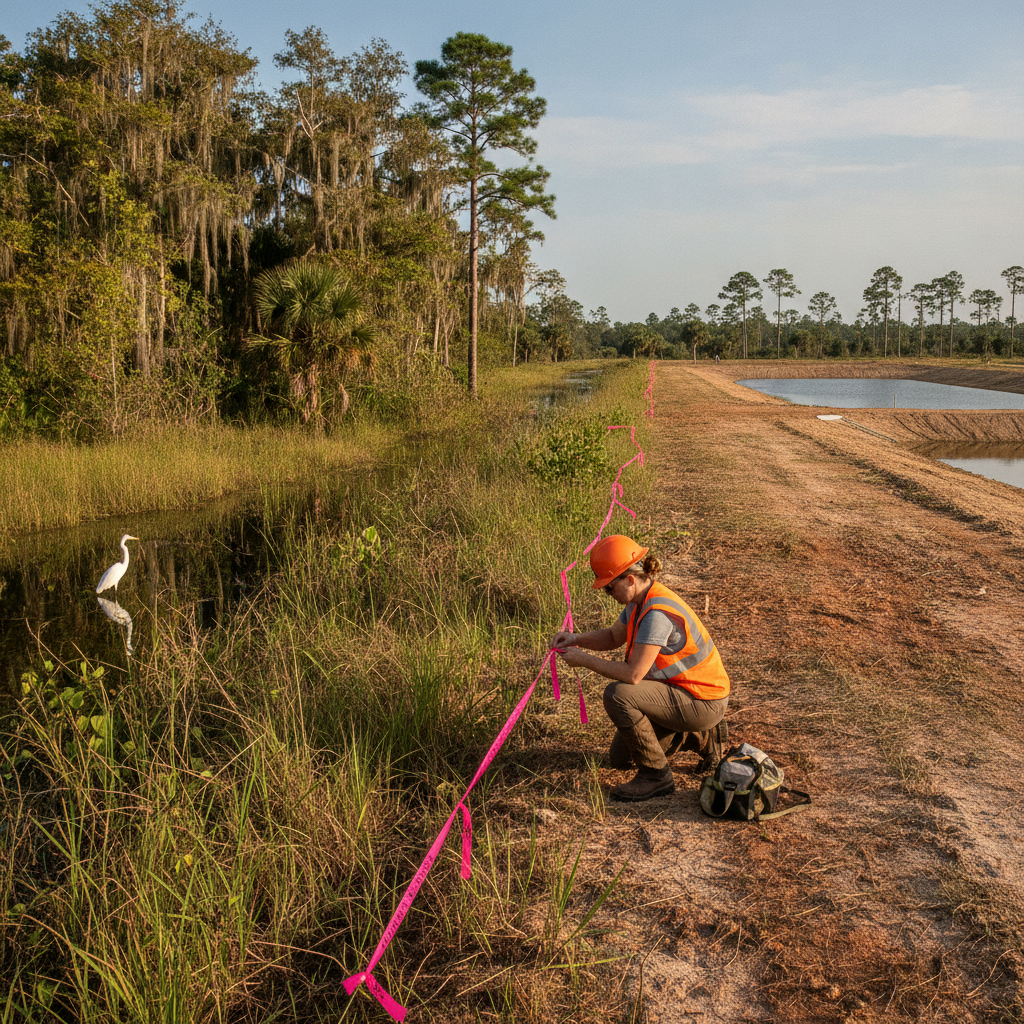
The Environmental Resource Permit (ERP) is a critical component of Florida’s regulatory framework, administered by the state’s Water Management Districts (SFWMD, SWFWMD, SJRWMD) and the Florida Department of Environmental Protection (FDEP). This permit is essential for projects impacting stormwater management, surface waters, and wetlands. An ERP is typically required when a project involves altering land or water bodies, such as constructing a new development or modifying existing drainage systems. Obtaining an ERP involves a detailed review process, including hydrological assessments and stormwater modeling. The timeline for approval can vary, often taking several months, depending on the complexity of the project and the responsiveness of the applicant in addressing agency comments.
Wetland Delineation and Impact Assessment
Environmental Permit Requirements and Timelines
| Permit Type | Issuing Agency | Trigger | Typical Timeline |
|---|---|---|---|
| Environmental Resource Permit (ERP) | Water Management Districts, FDEP | Stormwater management, surface water, wetlands | Several months |
| Section 404 Dredge-and-Fill Permit | USACE, FDEP | Wetland impacts | Several months to over a year |
| NPDES Construction Generic Permit | FDEP | Construction disturbing 1+ acre | A few weeks |
| Listed-Species Permits | USFWS, FWC | Impact on protected species | Varies by species |
| CCCL Permit | FDEP | Coastal construction | Several months |
Wetland delineation is a critical step in identifying the presence and extent of wetlands on a development site. This process is essential for determining the need for permits related to wetland impacts. The U.S. Army Corps of Engineers (USACE) and FDEP oversee the Section 404 dredge-and-fill permits, which are necessary for projects that involve discharging dredged or fill material into waters, including wetlands. Projects that impact wetlands must also consider mitigation strategies, such as wetland mitigation banking, to compensate for any unavoidable impacts. The timeline for obtaining these permits can range from a few months to over a year, depending on the project’s complexity and environmental sensitivity.
NPDES Construction Generic Permit for Stormwater Discharge
The National Pollutant Discharge Elimination System (NPDES) Construction Generic Permit is required for construction activities that disturb one acre or more of land. This permit, administered by the FDEP, focuses on controlling stormwater discharge from construction sites to prevent pollution of nearby water bodies. To obtain this permit, developers must submit a Notice of Intent (NOI) and prepare a Stormwater Pollution Prevention Plan (SWPPP). The process typically takes a few weeks, but it is crucial to ensure compliance with all stormwater management regulations throughout the construction phase.
Federal and State 404 Program and Water Quality Certification
The federal Section 404 program, managed by the USACE, and the state 404 program, administered by FDEP, regulate the discharge of dredged or fill material into waters, including wetlands. These permits are essential for projects that impact wetland areas and require a thorough environmental review. Water quality certification is often a component of these permits, ensuring that projects comply with state water quality standards. The timeline for obtaining these permits can vary significantly, often requiring coordination with both federal and state agencies.
Listed-Species Considerations and Permits
Florida’s diverse ecosystems are home to numerous protected species, necessitating careful consideration during land development. Permits related to listed species, such as gopher tortoise relocation permits and protections for eagles and scrub-jays, are managed by the U.S. Fish and Wildlife Service (USFWS) and the Florida Fish and Wildlife Conservation Commission (FWC). These permits are required when a project may impact protected species or their habitats. The timeline for obtaining these permits can vary, often depending on the specific species involved and the proposed mitigation measures.
Potable Water, Wastewater, and Consumptive Use Permits
For projects involving potable water and wastewater systems, permits from the FDEP are necessary to ensure compliance with public health and environmental standards. Additionally, consumptive use permits are required for projects that withdraw significant amounts of water from Florida’s aquifers. These permits involve detailed technical evaluations and coordination with local utilities, with timelines ranging from a few months to over a year, depending on the project’s scope and complexity.
Coastal Construction Control Line (CCCL) Permits
For developments along Florida’s coastline, CCCL permits are crucial for protecting the state’s coastal resources. These permits, issued by the FDEP, regulate construction activities that may impact the beach and dune systems. Projects within the CCCL must demonstrate compliance with stringent environmental standards, with permit timelines typically extending several months due to the need for detailed environmental assessments and public hearings.
RSP Engineers’ Approach to Environmental Permitting
At RSP Engineers, we understand the complexities of navigating Florida’s environmental permitting landscape. Our team of experienced professionals collaborates closely with clients to develop comprehensive strategies that address all permitting requirements. We coordinate with environmental consultants to ensure that all aspects of a project, from stormwater management to wetland mitigation, are thoroughly addressed. Our approach includes detailed site assessments, preparation of permit applications, and ongoing communication with regulatory agencies to facilitate timely approvals. By leveraging our expertise, we help clients achieve compliance while minimizing project delays.
Common Issues in Environmental Permitting
Environmental permitting in Florida can present several challenges, including: Complex regulatory requirements that vary by region and project type. Lengthy review processes that can delay project timelines. Coordination challenges between multiple agencies and stakeholders. Unanticipated environmental impacts requiring additional mitigation measures. Addressing these issues requires proactive planning, thorough documentation, and effective communication with all involved parties.
Contact RSP Engineers
For expert guidance on navigating Florida’s environmental permitting process, contact RSP Engineers. Our team specializes in stormwater management, wetland mitigation, and permitting requirements to ensure your project complies with all regulations. Let us help you achieve your development goals efficiently and effectively.
Conclusion
Understanding and obtaining the necessary environmental permits is crucial for successful land development in Florida. From stormwater management to wetland impacts, each permit plays a vital role in protecting the state’s natural resources. By partnering with experienced professionals like RSP Engineers, developers can navigate the permitting process with confidence and ensure compliance with all regulatory requirements.
FAQs
-
The Environmental Resource Permit (ERP) is required for projects impacting stormwater management, surface waters, and wetlands. It is necessary when altering land or water bodies, such as during new construction or drainage modifications.
-
The timeline for a Section 404 permit can vary from several months to over a year, depending on the project’s complexity and environmental sensitivity.
-
The NPDES Construction Generic Permit controls stormwater discharge from construction sites disturbing one acre or more, preventing pollution of nearby water bodies.