
Data Center Utility Yard Design
Explore key considerations for designing utility yards in data centers, focusing on electrical, cooling, and utility coordination.
Electrical Infrastructure Considerations
Utility Yard Design Comparison Table
| Component | Key Considerations | Best Practices |
|---|---|---|
| Electrical Switchgear | Load analysis, future-proofing | Conduct thorough analysis, plan for expansion |
| Pad-Mounted Transformers | Placement, protection | Ensure weather protection, accessibility |
| Chillers | Energy efficiency, redundancy | Select efficient models, ensure redundancy |
| Utility Conduits | Space optimization, compliance | Organize effectively, ensure compliance |
| Coordination | Integration, service delivery | Coordinate with providers, plan for future |
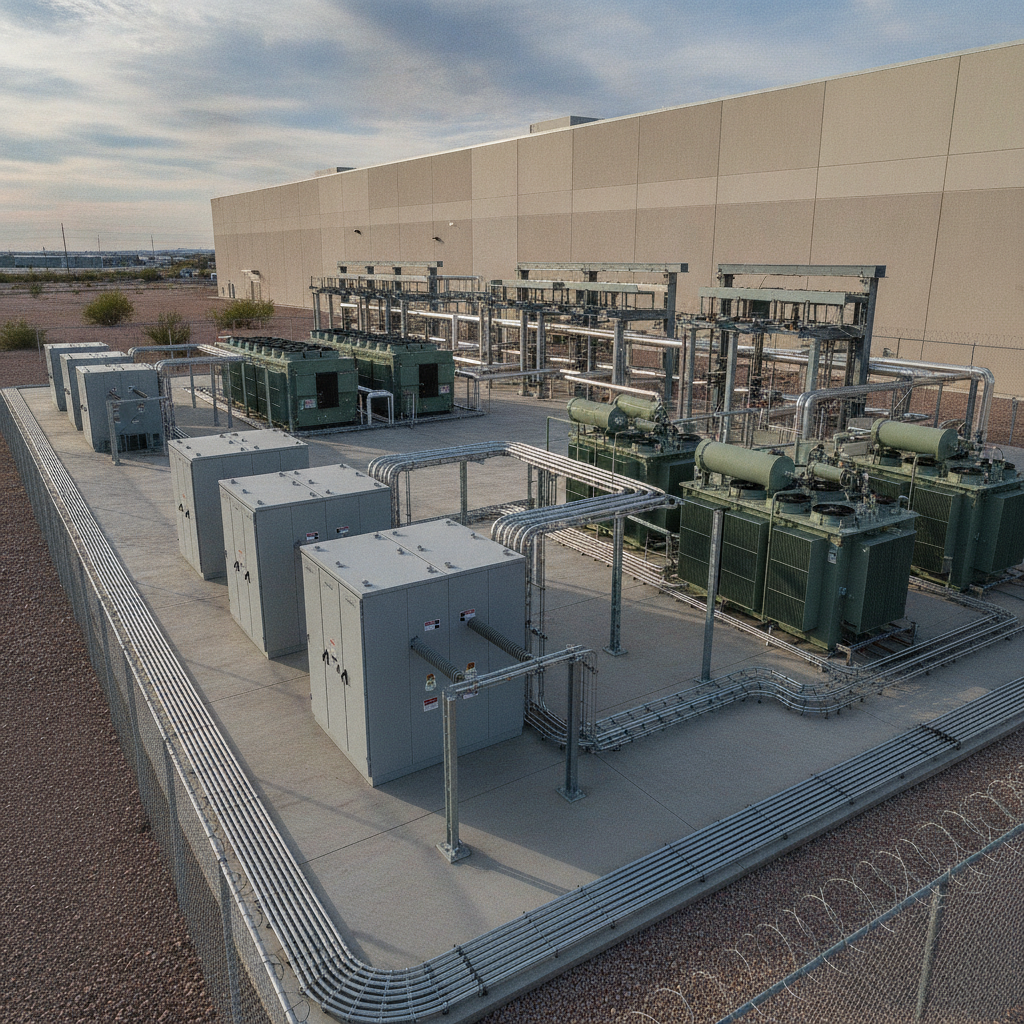
The electrical infrastructure is the backbone of any data center utility yard. It is crucial to ensure that the electrical switchgear and pad-mounted transformers are properly sized and configured to handle the data center’s power requirements. This involves detailed load analysis and future-proofing to accommodate potential expansions. Proper placement and protection of electrical components are essential to prevent outages and ensure safety. This includes considering factors such as weather protection, accessibility for maintenance, and compliance with applicable electrical codes. Conduct thorough load analysis to determine power requirements. Ensure compliance with electrical codes and standards. Plan for future expansion and scalability.
Additional Context
Cooling Systems and Chillers
Cooling is a critical aspect of data center operations, and the utility yard must be designed to support efficient cooling systems. Chillers play a vital role in maintaining optimal temperatures, and their placement and integration into the utility yard require careful planning. Considerations include the selection of chiller types, redundancy, and energy efficiency. Additionally, the layout should facilitate easy access for maintenance and repairs while minimizing the risk of thermal interference with other equipment. Select energy-efficient chillers with redundancy. Ensure proper spacing to prevent thermal interference. Facilitate easy access for maintenance.
Utility Coordination and Conduit Management
Effective utility coordination is essential to ensure seamless integration of various systems within the utility yard. This involves organizing utility conduits to optimize space and functionality while minimizing potential conflicts. Proper conduit management includes planning for current and future utility needs, ensuring compliance with zoning and permitting requirements, and coordinating with utility providers for seamless service delivery. Plan for current and future utility needs. Ensure compliance with zoning and permitting requirements. Coordinate with utility providers for seamless integration.
Utility Yard Design Comparison Table
Component Key Considerations Best Practices Electrical Switchgear Load analysis, future-proofing Conduct thorough analysis, plan for expansion Pad-Mounted Transformers Placement, protection Ensure weather protection, accessibility Chillers Energy efficiency, redundancy Select efficient models, ensure redundancy Utility Conduits Space optimization, compliance Organize effectively, ensure compliance Coordination Integration, service delivery Coordinate with providers, plan for future
Process for Designing a Utility Yard
At RSP Engineers, our Professional Engineering Team follows a comprehensive process to design utility yards for data centers. We begin with a detailed site analysis to understand the specific needs and constraints of the project. Our Engineering Design Team then develops a customized plan that integrates all necessary components, ensuring compliance with industry standards and client requirements. Throughout the design process, we prioritize utility coordination and future-proofing to accommodate potential expansions. Our Experienced Civil Engineers work closely with clients to ensure that the final design meets all operational and regulatory requirements.
Common Issues in Utility Yard Design
Designing a utility yard for a data center can present several challenges. Common issues include inadequate load analysis, poor placement of electrical components, and insufficient cooling capacity. These issues can lead to operational inefficiencies and increased maintenance costs. To mitigate these risks, it is essential to conduct thorough planning and coordination from the outset. Engaging with Civil Engineering Experts early in the project can help identify potential pitfalls and develop effective solutions.
Contact RSP Engineers
For expert guidance on data center utility yard design, contact RSP Engineers. Our Professional Engineering Team is ready to assist with planning, utility coordination, and construction-phase execution. Let us help you achieve a reliable and efficient utility yard for your data center.
Conclusion
Designing a utility yard for a data center requires careful consideration of electrical infrastructure, cooling systems, and utility coordination. By following best practices and engaging with experienced professionals, you can ensure a reliable and efficient utility yard that meets the demands of your data center.
Related Articles
FAQs
Planning for Data Center Future Expansion Generator Yard Planning for Data Centers Fuel Tank Site Design for Data Centers
-
A data center utility yard typically includes electrical switchgear, pad-mounted transformers, chillers, and utility conduits. These components are essential for power distribution, cooling, and utility coordination.
-
Compliance with electrical codes is ensured through detailed planning and adherence to industry standards. Our Engineering Professionals conduct thorough load analysis and design reviews to ensure all components meet regulatory requirements.
-
Utility coordination is crucial to ensure seamless integration of various systems within the utility yard. It helps optimize space, minimize conflicts, and ensure reliable service delivery.