
Data Center Utility Lessons Learned from Large-Scale Projects
Expert insights from RSP Engineers on large-scale data center utility design. Learn to avoid common pitfalls in power, water, and fiber coordination for mission-critical projects in Florida.
The Critical Role of Early Utility Due Diligence
The success of a data center project is often determined before the first shovel breaks ground. Comprehensive utility due diligence during the site selection phase is paramount. This goes far beyond simply confirming service availability. It involves a deep dive into the true capacity, reliability, and expandability of local power, water, and fiber networks. A preliminary “will-serve” letter from a provider is only the starting point; it is not a guarantee of service delivery on your project’s timeline or at the required scale. We investigate the age of existing infrastructure, planned provider upgrades, and potential system constraints that could impact a phased build-out. Our process involves direct engagement with utility providers to understand their capital improvement plans and potential bottlenecks. For a site development Orlando project, this might mean assessing the capacity of a specific electrical substation or the downstream impact on a municipal wastewater treatment plant. This early analysis informs the entire site plan design, ensuring that the chosen location can realistically support both Day 1 requirements and future campus expansion. Neglecting this step can lead to costly delays, forced redesigns, or even the realization that a site is non-viable after significant capital has been invested.
Power Capacity Planning: Beyond the Initial Commitment
Utility Coordination Risk and Mitigation Matrix
| Utility System | Common Pitfall / Risk | RSP Engineers' Mitigation Strategy | Typical Lead Time Impact |
|---|---|---|---|
| Power | Provider capacity is overstated in initial talks; substation upgrades have a 24-36 month lead time. | Initiate formal capacity studies and Interconnection Agreements early. Model multiple scenarios and confirm infrastructure upgrade paths and timelines with provider's engineering department. | 18-36+ Months |
| Water/Sewer | Existing municipal mains lack sufficient pressure for fire suppression or capacity for cooling tower discharge. | Conduct hydraulic modeling and downstream analysis during due diligence. Identify required off-site improvements and begin permitting discussions with the utility immediately. | 9-18 Months |
| Fiber Optics | Lack of true diverse entry points; all carriers utilize the same public right-of-way, creating a single point of failure. | Perform a physical path analysis of existing fiber routes. Design and permit a second, physically separate conduit entry path into the site, even if it requires extensive directional boring. | 6-12 Months |
| Natural Gas | Insufficient main pressure or volume for backup generators at the required delivery point. | Engage the gas utility with detailed generator specifications to secure a firm pressure and volume commitment. Model on-site piping to ensure delivery requirements are met at the equipment. | 8-16 Months |
| Stormwater | The scale of impervious surfaces triggers complex stormwater management requirements and lengthy Water Management District permitting. | Develop a master drainage design early, incorporating Low Impact Development (LID) features where possible. Pre-application meetings with agencies to align on methodology. | 10-15 Months |
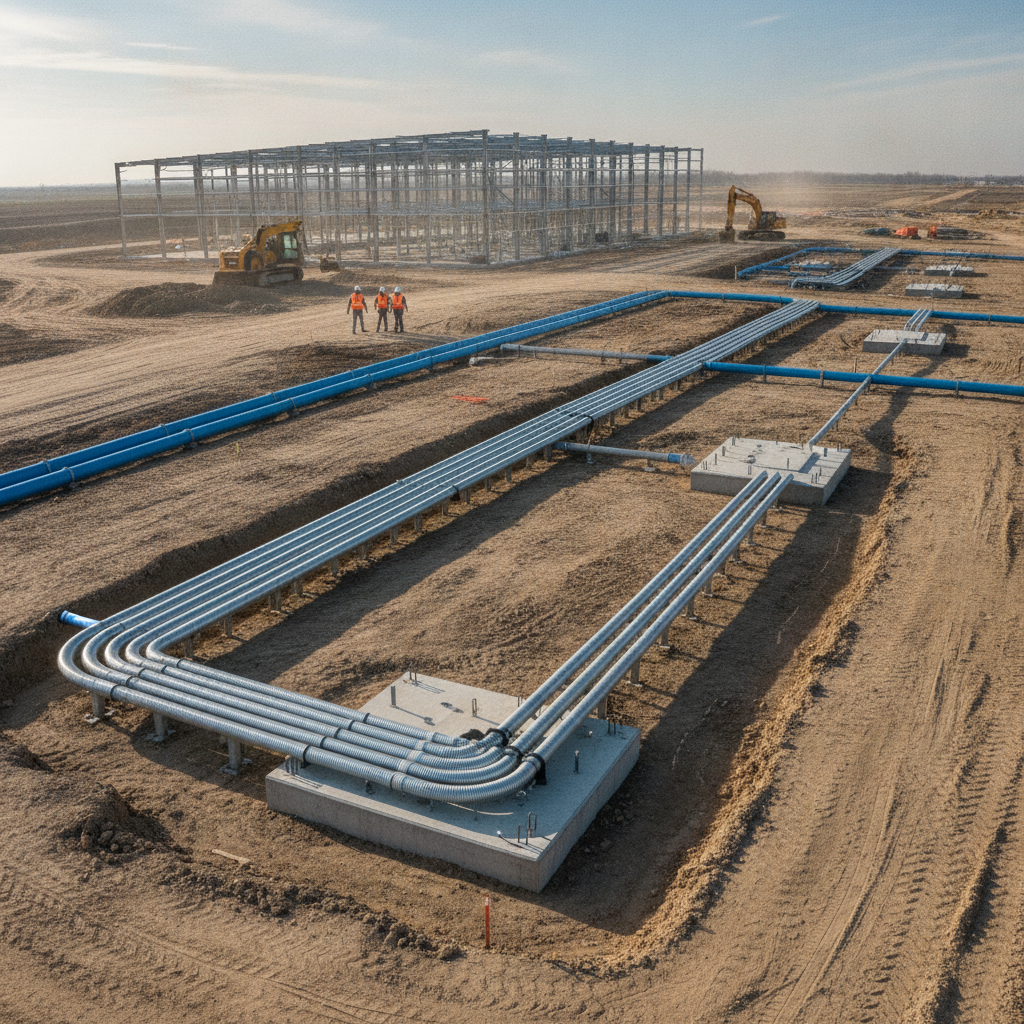
Power is the lifeblood of a data center, and securing sufficient capacity is the most challenging aspect of utility coordination. Modern data centers, especially those supporting AI workloads, have immense power demands that can strain local grids. The planning process must account for redundancy architectures like N, N+1, or 2N, which requires close collaboration with the power company to design multiple feeds, often from different substations. This level of utility coordination requires a deep understanding of the provider’s transmission and distribution systems. A common pitfall is underestimating the lead time for high-voltage infrastructure. New substations, transmission lines, and dedicated feeders can take years to permit, design, and construct. Developers must secure firm commitments and understand the financial implications, including contributions-in-aid-of-construction (CIAC) fees. The civil engineering design must accommodate extensive duct banks, transformer pads, and switchgear locations, all while navigating existing easements and environmental constraints. A robust power infrastructure plan is a foundational element of the project’s success.
Water and Wastewater: The Unsung Heroes of Data Center Operations
While power gets the spotlight, water and wastewater systems are equally critical, especially for facilities using water-based cooling. A thorough analysis must confirm not only the availability of potable water but also the capacity for fire suppression systems and the significant demands of cooling towers. The civil engineering firm near me must perform detailed hydraulic modeling to ensure adequate pressure and flow, which may necessitate off-site main extensions or on-site booster pumps. Just as important is the wastewater side. The blowdown from cooling towers can be substantial and may require specialized pre-treatment before discharge into the municipal sewer system. This involves navigating complex permitting with local utilities and state environmental agencies. The drainage design for the site must also integrate with the overall stormwater management plan, ensuring that process water and stormwater are handled according to regulations. Failing to properly plan for these systems can lead to operational shutdowns or significant regulatory fines.
Fiber and Telecommunications: Designing for Latency and Redundancy
For a data center, connectivity is currency. Achieving low latency and high reliability requires a robust fiber optic infrastructure plan. The primary goal is creating true carrier diversity with multiple, physically separate entry points into the facility. This means designing redundant conduit systems that enter the property from different directions, often following separate public rights-of-way to avoid a single point of failure, such as a backhoe cutting through a single corridor. Effective utility coordination with multiple telecommunication providers is key. This involves identifying available long-haul and metro fiber providers, securing right-of-entry agreements, and designing the on-site duct bank system to accommodate them. The site plan design must protect these critical pathways from future construction or other utility conflicts. Protecting these assets through carefully planned utility easements ensures long-term operational integrity and prevents costly service disruptions.
Navigating Utility Provider Timelines and Agreements
One of the most frequent and disruptive surprises in data center development is the misalignment between the project’s aggressive construction schedule and the utility provider’s timeline. Providers operate on their own schedules, dictated by regulatory approvals, material procurement, and crew availability. A Professional Engineer must act as a liaison, translating the project’s needs into the provider’s language and processes to facilitate a smoother agency review. Securing binding utility service agreements is a critical milestone that requires meticulous negotiation. These agreements formalize capacity, delivery points, timelines, and costs. The process often involves extensive legal and technical review to ensure the terms align with the project’s operational and financial models. Furthermore, securing the necessary utility easements across private or public land can be a lengthy process involving surveys, appraisals, and legal negotiations. Proactive management of these elements is essential to keep the project on track and avoid last-minute crises during permit submittals.
Integrated Corridor Design and Conflict Avoidance
A modern data center campus is a dense network of underground utilities. Power, water, sewer, storm drainage, and fiber all compete for limited space. A primary role of the civil engineering team is to design an integrated utility corridor that prevents conflicts and allows for future maintenance and expansion. This is where advanced tools like 3D modeling and clash detection become invaluable, allowing designers to visualize the complex underground environment before construction begins. This process, often part of a broader Building Information Modeling (BIM) effort, helps optimize the layout, reduce the risk of costly construction-day discoveries, and ensure compliance with separation requirements (e.g., keeping water lines away from high-voltage electrical). The drainage design must be carefully woven into this corridor, managing surface runoff without compromising the integrity of other systems. A well-planned utility corridor is a hallmark of a sophisticated and forward-thinking site engineering services approach.
Our Process for Mission-Critical Utility Design
At RSP Engineers, our approach to data center utility design is built on a foundation of proactive, detailed, and relentless coordination. We begin with a comprehensive Utility Feasibility Study during the site selection phase to identify fatal flaws and quantify risks. From there, we move into detailed design, where our Civil Engineers develop an integrated site plan that harmonizes all wet and dry utilities. We use 3D modeling to eliminate conflicts and optimize the layout for efficiency and future expansion. Throughout the permitting process, we serve as the primary point of contact with all utility providers and regulatory agencies, ensuring clear communication and timely approvals. During construction, our construction administration team remains deeply involved, reviewing submittals, responding to RFIs, and ensuring the design is executed flawlessly in the field.
Common Issues and Stumbling Blocks
Even with meticulous planning, challenges can arise. A common issue is a utility provider revising their cost estimate or timeline late in the design phase, requiring rapid value engineering or schedule adjustments. Another frequent problem is discovering unrecorded private utilities during excavation, which can halt work and necessitate immediate redesign. We also often encounter complex easement negotiations, where securing off-site rights for a new power line or water main becomes a critical path item. Our experience with Florida land development allows us to anticipate these issues and build contingencies into our project plans, minimizing their impact on the overall schedule and budget. Frequently Asked Questions (FAQ) How early should we engage utility providers for a new data center project? You should begin preliminary conversations with utility providers during the site selection process, before you acquire the land. Formal engagement for capacity studies and service agreements should start immediately upon site control. The long lead times for major infrastructure, especially for power infrastructure and substations, make this one of the most critical early steps in site development. What is a ‘diverse entry’ for fiber and why is it so important? A diverse entry involves bringing fiber optic cables into your facility through two or more physically separate paths and entry points. This prevents a single incident, like a construction crew cutting a conduit, from severing all connectivity. True diversity in fiber optic infrastructure is a fundamental requirement for ensuring the uptime and reliability expected of a mission-critical data center. Can we phase the utility build-out to match our data hall expansion? Yes, phasing is a common strategy. However, the master utility plan must be designed from Day 1 to support the ultimate campus build-out. This often means installing larger primary conduits, water mains, and sewer lines initially to avoid costly and disruptive trenching later. Effective utility coordination with providers is essential to align their infrastructure upgrades with your phasing plan. What happens if a utility provider can’t meet our Day 1 power requirements? This is a serious risk that must be identified during due diligence. If a provider cannot meet the initial demand, mitigation options might include deploying temporary power generation (which comes with its own permitting and logistical challenges), re-phasing the project, or ultimately, selecting a different site. This underscores the importance of securing a firm commitment via a detailed utility service agreement early in the process. How does Florida’s environment impact data center utility design? Florida’s high water table, frequent intense rainfall, and sensitive ecosystems heavily influence design. Stormwater management is a major focus, requiring sophisticated drainage design and permitting through Water Management Districts. Utility corridors must be designed to withstand potential flooding and protect sensitive environmental resources, adding a layer of complexity to the permitting and design process.
Your Partner in Mission-Critical Site Development
Navigating the complexities of data center utility design requires specialized expertise and a proactive mindset. The stakes are too high for a reactive approach. RSP Engineers provides the expert civil engineering and site development services needed to de-risk your project. We manage the intricate process of utility coordination, guide you through complex permitting challenges, and deliver a robust design that ensures reliability from Day 1 through future expansions. If you are planning a mission-critical facility in Florida, contact us to discuss how our team can help you build a foundation for success.
Conclusion
The lessons learned from large-scale data center projects consistently point to one conclusion: early, expert-led utility planning is the single most important factor in mitigating risk and ensuring project success. From securing multi-megawatt power feeds to designing resilient fiber pathways and managing complex stormwater management systems, every detail matters. A successful project requires seamless integration of civil engineering, meticulous utility coordination, and a deep understanding of the permitting landscape. By prioritizing these elements, developers can avoid costly delays and build the reliable, scalable infrastructure that the digital world demands.
FAQs
-
Data Center Utility Lessons Learned from Large-Scale Projects requires careful planning, qualified engineering, and compliance with the applicable codes and permits.
-
Getting Data Center Utility Lessons Learned from Large-Scale Projects right protects safety, supports regulatory compliance, and avoids costly redesigns or delays.
-
RSP Engineers provides licensed expertise and end-to-end support for Data Center Utility Lessons Learned from Large-Scale Projects, from early planning through permitting.