
Data Center Site Selection for Edge Computing Facilities
A guide to the unique civil engineering and site selection challenges for edge computing data centers, covering latency, utilities, permitting, and compact site design.
The Strategic Imperative of Low-Latency Site Placement
The primary driver for edge computing is the reduction of latency—the delay in data transmission. For applications like autonomous vehicles, real-time analytics, and augmented reality, every millisecond counts. This means edge data center sites must be strategically located near population centers and key network aggregation points. The goal is to shorten the physical distance data must travel, improving performance and user experience. This proximity-based approach is a fundamental departure from hyperscale siting, which often prioritizes cheap land and power over location. A successful siting strategy involves analyzing fiber optic network maps, population density data, and commercial growth corridors. The ideal site offers robust connectivity to multiple fiber providers, minimizing the risk of a single point of failure. The civil engineering analysis must confirm not only the presence of fiber but also the physical accessibility for creating a service connection. This includes identifying existing conduit, potential boring paths, and any public right-of-way or private easement restrictions that could complicate or delay the utility coordination process.
Zoning and Permitting for Atypical Commercial Sites
Edge vs. Hyperscale Data Center Site Selection Criteria
| Factor | Edge Data Center | Hyperscale Data Center |
|---|---|---|
| Primary Location Driver | Low latency; proximity to end-users and network hubs | Low-cost power, land, and favorable tax incentives |
| Typical Site Size | Under 1 acre; often leased pads or small parcels | 100+ acres; large, undeveloped tracts of land |
| Power Requirement | 500 kW to 5 MW | 100+ MW |
| Fiber Connectivity | Requires diverse, high-capacity fiber from multiple carriers | Requires massive, redundant fiber trunks; can influence new route construction |
| Permitting Strategy | Navigating local zoning for small, atypical sites; focus on repeatable, scalable approvals | Complex, long-term entitlement process for major industrial use |
| Construction Method | Primarily prefabricated modules for rapid deployment | Custom, on-site stick-built construction over multiple years |
| Stormwater Management | Compact, often underground systems or low-impact development | Large-scale retention/detention ponds and surface water management |
Edge data centers often occupy sites not traditionally zoned for industrial or high-tech use, such as small parcels within commercial shopping centers, leased space at the base of cell towers, or even rooftops. This creates unique challenges for zoning compliance and permitting. Many local development codes do not have specific use categories for unmanned, compact data centers, requiring project teams to seek interpretations, special use permits, or variances. The unmanned nature of these facilities can also trigger questions related to security, noise, and aesthetic standards. A thorough due diligence process must include a detailed review of local zoning ordinances to identify potential roadblocks early. Key considerations include setback requirements, height limitations, equipment screening mandates, and noise level restrictions, especially for backup generators. Permitting requirements vary by jurisdiction, and every project team should confirm the applicable standards with the local, state, regional, and federal authorities that hold review authority over the site. A proactive approach to agency review, including pre-application meetings, can help clarify expectations and streamline the approval process for these non-traditional permit submittals.
Critical Utility Infrastructure Assessment
While edge facilities require significantly less power than hyperscale data centers, their power needs are still substantial and mission-critical. A primary task in site selection is a rigorous assessment of the existing electrical infrastructure. This involves more than just noting the proximity of a power line; it requires detailed utility coordination with the local provider to confirm the available capacity, reliability of the grid, and the feasibility of establishing a new service connection. The analysis must also account for the power quality and the potential need for redundant feeds to achieve the desired uptime. Beyond power, robust fiber connectivity is non-negotiable. The site must have access to diverse, high-capacity fiber routes from multiple carriers to ensure network resiliency. The site development plan must protect these critical connections. Backup power, typically in the form of an on-site generator and uninterruptible power supply (UPS) system, is also standard. The design and permitting for fuel storage, generator placement, and associated noise mitigation measures are critical components of the civil engineering scope.
Site Logistics for Prefabricated Module Deployment
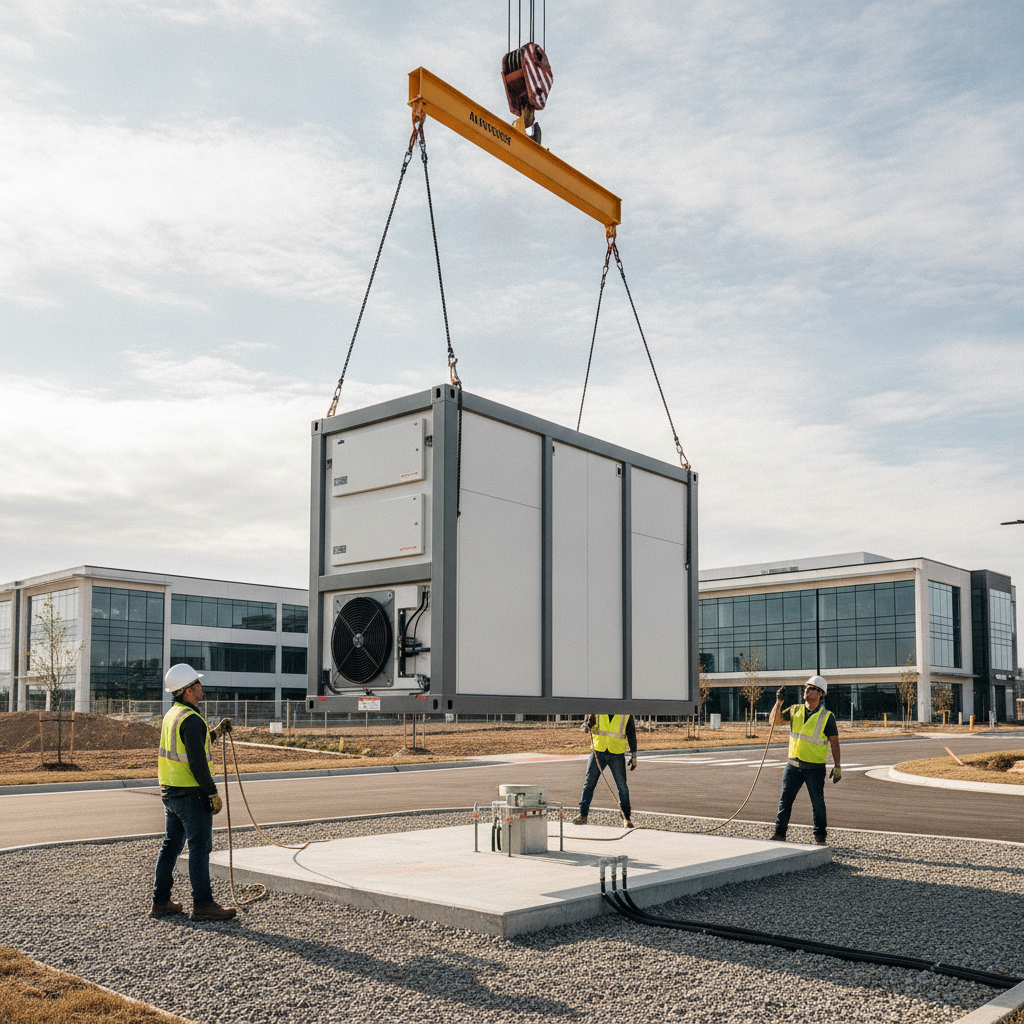
Many edge data centers are constructed as prefabricated, self-contained modules that are manufactured off-site and delivered by truck. This approach accelerates deployment but places immense importance on site logistics. The civil engineering design must ensure the site is accessible for large, heavy-haul trucks and the cranes required to lift and place the modules. This involves analyzing transportation routes for low clearances or weight-restricted bridges, designing adequate on-site circulation paths, and providing stable, level ground for crane setup and operation. The site plan design must carefully delineate laydown areas for equipment staging, crane pads, and safe working zones. Soil conditions are a key factor; a geotechnical investigation is often necessary to confirm the ground can support the immense point loads from crane outriggers. Failure to properly plan for these logistical elements can lead to costly delays, dangerous working conditions, and damage to the prefabricated units during installation.
Compact Stormwater Management and Screening Solutions
With site footprints often under a quarter of an acre, traditional stormwater management solutions like open retention ponds are not feasible. Civil engineers must design compact, efficient systems that meet regulatory requirements while maximizing usable space. Common solutions include underground detention systems, pervious pavement for parking and access areas, and bio-retention swales integrated into landscaping. The drainage design must be carefully calibrated to handle runoff from the small, highly impervious surfaces typical of these sites. Aesthetics and security are also key design drivers. Most jurisdictions require equipment, including HVAC units and generators, to be screened from public view. This is often achieved through a combination of decorative walls, fences, and dense landscaping. The site design must integrate these screening elements with security fencing and access control systems to create a facility that is both secure and compliant with local aesthetic standards. This requires a holistic approach to site development that balances function, compliance, and community acceptance.
Our Approach to Edge Data Center Site Feasibility
At RSP Engineers, we have developed a streamlined and scalable process for edge data center site selection and due diligence. Our approach is designed to help clients evaluate dozens or even hundreds of potential sites quickly and efficiently, identifying fatal flaws before significant capital is invested. We begin with a desktop-level screening process, using GIS data and public records to assess zoning, floodplains, wetlands, and utility availability. This initial step filters out non-viable candidates, allowing the team to focus on the most promising locations. For viable sites, we proceed to a more detailed feasibility study. This includes preliminary utility coordination with power and fiber providers, a thorough review of local development codes, and the creation of a conceptual site plan design. This layout demonstrates how the necessary equipment, access, and infrastructure can fit within the site’s constraints while meeting regulatory requirements. Our comprehensive due diligence reports provide clients with a clear risk assessment and a strategic roadmap for successful permitting and site development, enabling them to make informed decisions and accelerate their deployment schedules.
Common Challenges in Edge Facility Siting
Deploying edge data centers at scale comes with a recurring set of challenges. One of the most common is underestimating the cost and timeline for utility upgrades. A site may be near a power line, but the local circuit may lack the capacity, requiring expensive upgrades that can take months to complete. Similarly, securing necessary easements for new fiber or power conduits can be a complex and time-consuming process involving multiple property owners and public agencies. Local ordinances regarding noise can also present a significant hurdle. The sound produced by backup generators and HVAC equipment can exceed limits in mixed-use or commercial areas, requiring costly sound attenuation measures like acoustic enclosures or barrier walls. Finally, unexpected subsurface conditions, such as poor soil quality or undocumented utilities, can complicate foundation design and increase construction costs. A thorough geotechnical investigation and utility locating service are essential risk mitigation steps in the land development process. Frequently Asked Questions What is the typical size of an edge data center site? Edge data center sites are typically very small, often less than one acre and sometimes as small as a few thousand square feet. They are designed to be compact and can be located on leased land, such as a pad within a larger commercial development or at a cell tower base, which makes efficient site development crucial. How are power requirements for edge facilities different from large data centers? Edge facilities require significantly less total power (e.g., 1-5 MW) compared to hyperscale facilities (100+ MW). However, the power must be highly reliable. The civil engineering and electrical design process focuses on ensuring sufficient capacity from the local grid, planning for redundancy, and integrating on-site backup power like generators and UPS systems. What are the biggest permitting hurdles for these projects? The primary permitting challenges often stem from zoning. Because these are a relatively new type of infrastructure, many local codes don’t have a specific use category for them. This can require obtaining a special use permit or variance. Other hurdles include meeting noise ordinances, aesthetic and screening requirements, and securing approvals from multiple agencies for utility work. Can edge data centers be located in residential or mixed-use areas? While technically possible, it is challenging. Locating in dense residential or mixed-use areas magnifies concerns about noise from generators and HVAC systems, as well as visual impact. Successful projects in these areas require extensive screening, advanced sound attenuation, and proactive engagement with the local authority having jurisdiction to address community concerns. How does ADA compliance apply to a typically unmanned facility? Even if a facility is unmanned, it still requires periodic maintenance and service visits. Therefore, the site must provide an accessible route from the public right-of-way or parking area to the equipment, as required by the Americans with Disabilities Act (ADA). ADA compliance is a key component of the site plan design and is reviewed by most permitting agencies. What role does a civil engineering firm play in the site selection process? A civil engineering firm plays a critical role by leading the technical due diligence. This includes evaluating a site for fatal flaws related to zoning, flood risk, utility access, and constructability. We provide essential services like conceptual layouts, stormwater management design, utility coordination, and support for the entire permitting process, turning a potential location into a viable project.
Accelerate Your Edge Deployment with Expert Site Engineering
Successfully deploying edge computing infrastructure at scale requires a partner with deep expertise in multi-site due diligence, rapid permitting, and efficient site engineering services. RSP Engineers provides the comprehensive civil engineering support needed to navigate the unique challenges of edge data center projects. From initial site screening and utility verification to final construction documents and administration, our team helps you streamline your rollout, minimize risk, and achieve your network performance goals. Contact us to discuss how we can support your mission-critical infrastructure projects.
Conclusion
The site selection process for edge computing facilities is a specialized discipline that balances the technical demands of latency and reliability with the practical constraints of small, often complex, urban and suburban sites. Success hinges on a proactive and detailed approach to due diligence, with a sharp focus on utility coordination, zoning compliance, and logistical planning. By partnering with an experienced civil engineering team, developers can navigate these challenges effectively, ensuring their infrastructure is built on a solid foundation and ready to meet the demands of the future. A strategic approach to site development is the key to unlocking the full potential of edge computing.
FAQs
-
Data Center Site Selection for Edge Computing Facilities requires careful planning, qualified engineering, and compliance with the applicable codes and permits.
-
Getting Data Center Site Selection for Edge Computing Facilities right protects safety, supports regulatory compliance, and avoids costly redesigns or delays.
-
RSP Engineers provides licensed expertise and end-to-end support for Data Center Site Selection for Edge Computing Facilities, from early planning through permitting.