
Data Center Site Planning for Modular Construction
A guide to the unique civil engineering and site planning challenges of modular data centers, covering logistics, crane pads, foundation precision, and utility coordination for nationwide projects.
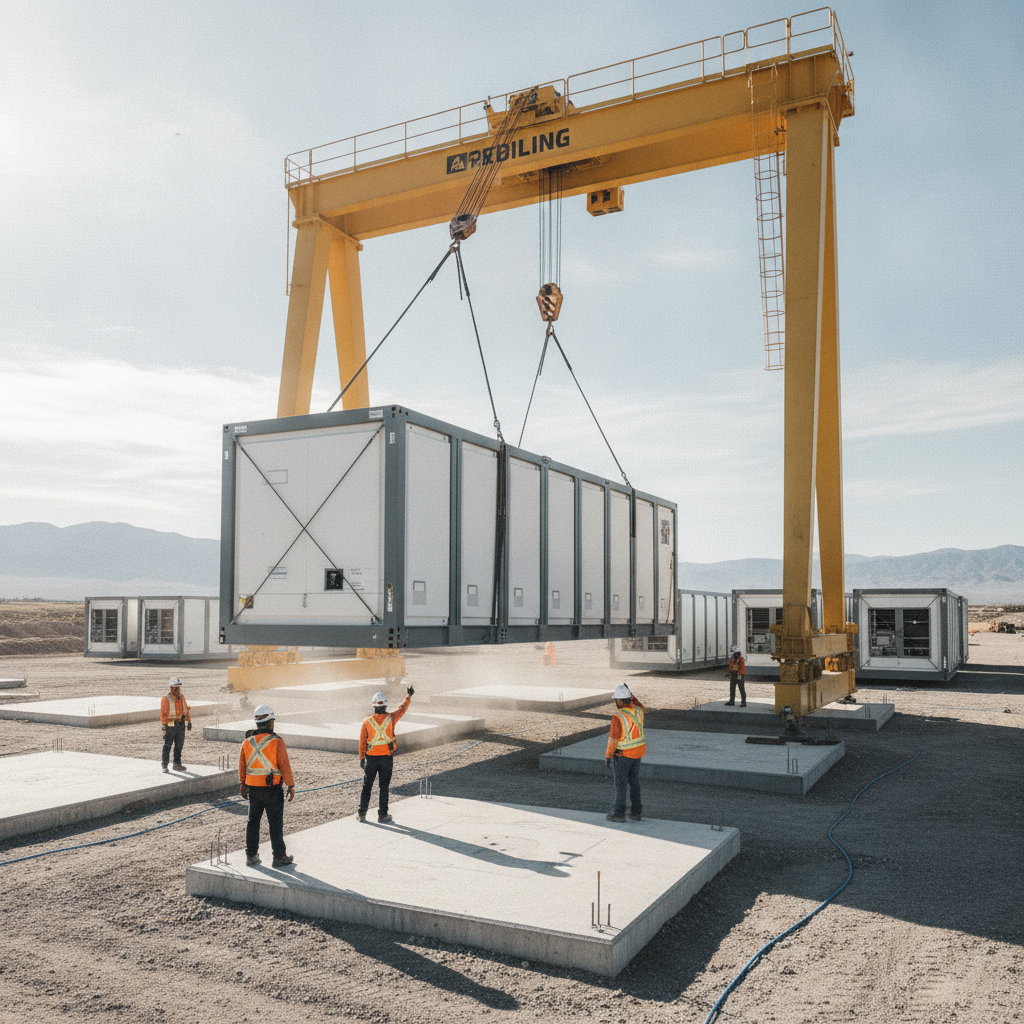
The Shift to Modular: Redefining Site Development Timelines
Modular construction fundamentally alters the critical path of a project. While data center modules are being fabricated in a controlled factory environment, all necessary site work—including grading, utility installation, foundation pouring, and stormwater management—must proceed in parallel. This compressed schedule demands an integrated approach where the civil engineering team works in close coordination with the module fabricator and general contractor from the earliest stages of design. The goal is to achieve a ‘just-in-time’ site readiness, where the fully prepared site is ready to accept modules the moment they arrive. This requires early completion of mass grading, underground utility installation, and access road construction. Any delays in securing permitting or resolving zoning compliance issues can create a significant bottleneck, leaving expensive, completed modules in storage while the site struggles to catch up. Effective project management and early engagement with the authority having jurisdiction are critical to keeping the site work ahead of the fabrication schedule.
Transportation and Logistics: Planning for Oversized Loads
Comparison of Site Planning Considerations: Modular vs. Traditional Data Centers
| Feature | Traditional Construction Approach | Modular Construction Approach |
|---|---|---|
| Construction Sequencing | Site work and building construction proceed sequentially and can overlap with significant flexibility. | Site work must be substantially complete before building components arrive. The schedule is compressed and parallel-pathed. |
| Foundation Tolerances | Standard construction tolerances, with opportunities for field adjustments as steel and framing are erected. | Extremely tight, unforgiving tolerances. Foundations must perfectly match off-site module specifications. |
| Utility Coordination | Utilities are stubbed into the building footprint; final connections are made as the structure is built out. | Utility stub-ups must be placed with pinpoint accuracy to align with module connection points. Errors require costly rework. |
| Site Access & Logistics | Designed for standard construction traffic (concrete trucks, steel delivery). | Requires analysis of regional oversized load routes and robust on-site roads for heavy haulers and cranes. |
| Staging & Laydown Area | Standard material staging areas for raw materials like steel, rebar, and formwork. | Requires large, stable, and strategically located laydown areas for entire prefabricated building sections. |
| Crane Operations | Cranes are used for structural steel and equipment lifts, with pad requirements based on those specific loads. | Requires heavily engineered crane pads designed for the immense weight of lifting and placing entire modules. |
One of the most significant challenges in modular data center projects is the transportation of large, heavy modules from the factory to the project site. These units often qualify as oversized loads, requiring specialized transport vehicles and detailed route planning. The civil engineering scope must extend beyond the property lines to include a thorough analysis of the entire delivery route. This includes verifying bridge weight capacities, overhead clearance restrictions, and road geometry, including critical turning radii at intersections. On-site, the access roads must be designed to withstand the immense weight of both the transport vehicles and the modules themselves. This involves specifying appropriate pavement sections, ensuring adequate compaction of subgrade materials, and designing gentle curves and wide entrances to accommodate the haulers. These logistical requirements often involve multiple authorities, and permitting pathways vary by jurisdiction, so it is critical to confirm all transportation and access requirements with the applicable local, state, and regional authorities early in the design process. A failure to plan for a single tight corner or low bridge can halt the entire project.
Site Layout for Crane Operations and Module Staging
The placement of multi-ton modules requires heavy-lift cranes, which in turn require carefully engineered support and operating space. A key component of the site plan design is the designation and design of crane pads. These are not simply level areas; they are structural pads designed to distribute the crane’s immense outrigger loads and prevent soil failure or settlement. The design requires detailed Geotechnical Engineering analysis to determine the necessary thickness and reinforcement. Beyond the crane pads, the site layout must include clear, unobstructed lifting zones and expansive laydown areas. These zones are where modules are staged after delivery and prepared for lifting. The laydown area must be graded, stable, and large enough to accommodate multiple modules without creating congestion. Proper sequencing is vital; the civil engineer must plan the site’s construction to ensure these critical areas are built early and remain accessible throughout the module placement phase, without conflicting with other activities like utility trenching or paving.
Foundation and Utility Precision for Seamless Integration
In modular construction, there is no room for error. Foundations and utility connection points must be constructed with extreme precision to match the prefabricated modules perfectly. While traditional construction allows for minor field adjustments, a modular design demands that foundation pads and anchor bolt placements adhere to very tight tolerances, often measured in fractions of an inch. Any deviation can prevent a module from seating correctly, leading to significant delays and costly on-site modifications. This precision extends to all underground infrastructure. The locations of utility stub-ups—for power, water, sanitary sewer, and fiber optic conduits—must be exact. The civil engineer must produce highly detailed drawings based on the module fabricator’s specifications and work closely with the surveyor and contractor to ensure as-built locations are perfect. This process often involves multiple rounds of verification and requires robust construction administration services to oversee and confirm the work in the field before the modules ever ship.
Stormwater Management and Grading in a Modular Context
Effective stormwater management is a core requirement for any land development project, but its implementation in a modular context requires strategic sequencing. Because large portions of the site must remain open and accessible for deliveries and crane operations, permanent drainage design features like detention basins or underground storage systems must be installed without creating obstacles. This often means phasing the installation or placing these systems along the site periphery early in the construction process. The overall site grading plan must achieve a dual objective: satisfying the project’s stormwater conveyance and storage needs while creating the perfectly level pads required for foundations and module staging. The grading must be precise to ensure positive drainage away from the data center structures while maintaining the flat surfaces essential for safe crane and vehicle operations. This careful balance is a hallmark of a well-executed site development plan for a modular facility.
The RSP Engineers Approach to Modular Site Planning
At RSP Engineers, we recognize that modular data center projects require a specialized civil engineering approach focused on precision and proactive problem-solving. Our process begins with a comprehensive due diligence and feasibility analysis, with a specific focus on logistical constraints, utility capacity, and potential permitting hurdles. We model transportation routes, simulate crane operations, and work with geotechnical experts to ensure every aspect of the site layout is optimized for the modular delivery method. Our design phase integrates seamlessly with the module fabricator’s team to ensure that our site plan design reflects exact specifications for foundations and utilities. We leverage advanced survey technology and provide rigorous construction administration to verify that on-site work meets the project’s demanding tolerances. Our team manages the complex process of agency review, clearly communicating the project’s unique requirements to facilitate a smooth and timely approval process, ensuring the site is ready when the modules are.
Common Challenges in Modular Data Center Site Development
Even with careful planning, modular projects can encounter significant hurdles. One of the most common issues is an incomplete logistical analysis, where an unforeseen obstacle on the delivery route is discovered too late. Another frequent challenge stems from an inadequate Geotechnical soil report, leading to the design of insufficient crane pads that can settle under load, posing a major safety risk and causing project delays. This underscores the importance of a thorough soil boring test and analysis by a qualified Geotechnical engineer. Misaligned utility stub-ups are a costly and entirely preventable error that can halt module installation. This is often the result of poor communication between the design team and contractors or a lack of stringent quality control during construction. Finally, insufficient laydown and staging space can create a chaotic and unsafe site, leading to damaged modules and inefficient operations. Proactive site engineering services can mitigate these risks through detailed planning and oversight. Frequently Asked Questions How early should a civil engineer be involved in a modular data center project? A civil engineer should be one of the first consultants engaged, ideally during the site selection phase. Early involvement allows for a thorough evaluation of logistical access, utility availability, topography, and potential permitting constraints before the land is even acquired, de-risking the entire project. What are the biggest permitting challenges for modular data center sites? Challenges often arise from transportation permits for oversized loads and convincing local review agencies that modular construction meets all applicable building code compliance standards. A clear presentation of the modular system’s pre-approved designs and a proactive communication strategy with the authority having jurisdiction are key to a smooth agency review process. How does the geotechnical investigation differ for a site with heavy crane lifts? The Geotechnical Engineering investigation must be more robust. It needs to specifically analyze soil bearing capacity and settlement potential under the highly concentrated loads of crane outriggers. This often requires deeper soil borings and more detailed analysis to inform the design of stable crane pads and foundations. Can existing sites be adapted for modular data center construction? Yes, but it requires a detailed feasibility study. The civil engineer must assess if the site has adequate space for laydown and crane operations, if access roads can support heavy loads, and if existing utilities can be precisely relocated or extended to meet the module connection points. It often involves significant site modifications. What is the role of the civil engineer during module delivery and placement? During this critical phase, the engineer’s role shifts to construction administration and verification. They confirm that access roads are sound, crane pads are performing as designed, and as-built conditions match the plans. They are on-site to help troubleshoot any immediate issues and ensure the placement proceeds safely and efficiently. How is ADA compliance handled with prefabricated modules? ADA compliance is designed into the modules by the fabricator, but it must be integrated with the site design. The civil engineer is responsible for designing accessible routes, parking spaces, ramps, and curb cuts on the site that connect seamlessly with the module’s access points, ensuring a fully compliant facility.
Your Partner for Mission-Critical Site Development
The success of a modular data center project is built on a foundation of precision, foresight, and expert engineering. At RSP Engineers, we provide the specialized site development expertise required to navigate the unique challenges of prefabricated construction. From initial due diligence and logistical planning to meticulous utility coordination and permitting, our team ensures your site is perfectly prepared for a seamless module installation. Contact us to discuss how our civil engineering services can accelerate your speed to market and ensure the success of your next mission-critical project.
Conclusion
Modular construction offers a transformative path to rapid data center deployment, but its success is not automatic. It demands a paradigm shift in site planning, where the land development process is characterized by extreme precision, parallel scheduling, and intensive logistical management. The critical link between the factory and the operational facility is a flawlessly executed site, which can only be achieved through expert civil engineering. By addressing transportation, crane operations, and utility precision early and comprehensively, developers can fully leverage the power of modular construction and meet the world’s growing demand for data.
FAQs
-
Data Center Site Planning for Modular Construction requires careful planning, qualified engineering, and compliance with the applicable codes and permits.
-
Getting Data Center Site Planning for Modular Construction right protects safety, supports regulatory compliance, and avoids costly redesigns or delays.
-
RSP Engineers provides licensed expertise and end-to-end support for Data Center Site Planning for Modular Construction, from early planning through permitting.