
Data Center Site Feasibility Studies: A Developer’s Guide
A comprehensive guide for developers on data center site feasibility studies. Learn about utility assessment, zoning, permitting, and site analysis from civil engineering experts.
Defining the Scope of a Data Center Feasibility Study
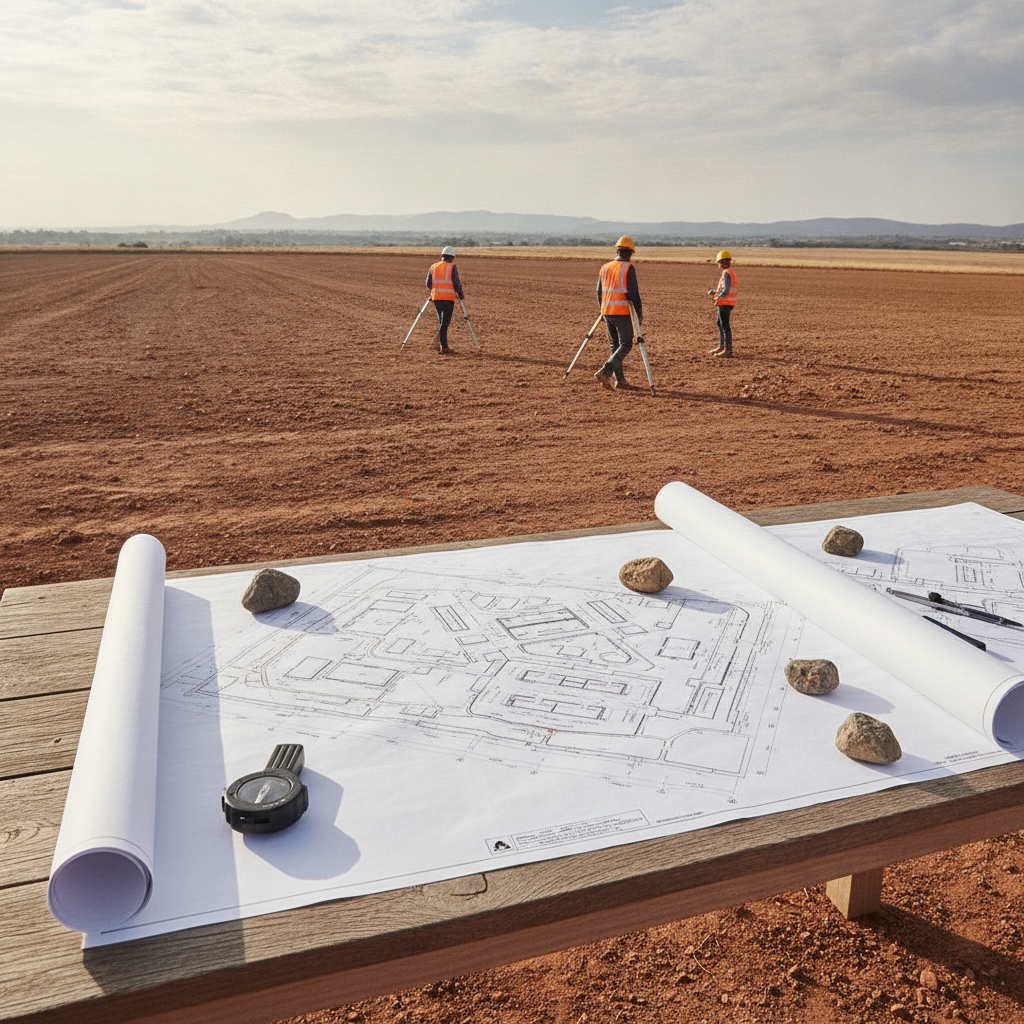
A data center site feasibility study is a technical report that evaluates a property against the specific, rigorous demands of a mission-critical facility. The primary goal is to identify any potential “fatal flaws”—insurmountable obstacles related to utilities, permitting, or site conditions—early in the process. The study synthesizes findings from multiple disciplines, including civil engineering, environmental science, and geotechnical analysis, into a single, actionable document. The scope typically includes a preliminary site layout, a thorough utility coordination and capacity analysis, a review of zoning and entitlement pathways, and an assessment of physical site constraints. A qualified Professional Engineer will oversee the study, ensuring that all conclusions are based on sound engineering principles and a realistic understanding of the land development process. The final report provides a clear go/no-go recommendation, along with a preliminary opinion of probable site development costs and a projected timeline.
Critical Utility Infrastructure Assessment
Key Feasibility Assessment Components for Data Centers
| Assessment Area | Key Questions to Answer | Potential Red Flags |
|---|---|---|
| Power Availability | Is there sufficient, reliable, and redundant power capacity available? What is the cost and timeline for connection? | Utility provider cannot confirm capacity; no dual feed available; substation upgrades are cost-prohibitive. |
| Fiber Connectivity | Are there multiple, diverse fiber routes from different carriers at or near the site? | Single provider only; lack of route diversity; high cost for service extension. |
| Zoning & Entitlements | Is a data center a permitted use? What is the anticipated permitting timeline and complexity? | Requires a contentious rezoning; long entitlement process; significant public opposition. |
| Site Constraints | What is the net developable area after accounting for easements, setbacks, and environmental features? | Extensive wetlands or floodplains; restrictive easements; significant topographic challenges. |
| Stormwater & Drainage | Is there a viable strategy for managing stormwater runoff? Is there a legal positive outfall? | Lack of a suitable discharge point; poor soil infiltration rates; requirement for expensive underground storage. |
| Geotechnical Conditions | Are there adverse soil conditions, shallow rock, or a high water table that would increase foundation costs? | Poor bearing capacity soils; extensive rock excavation required; evidence of sinkhole activity. |
For a data center, utilities are not just a requirement; they are the lifeblood of the operation. A feasibility study must rigorously verify the capacity, reliability, and redundancy of all critical services. Simply being near a transmission line is not enough; confirmed availability is essential. Key areas of investigation include: Power: This is the most critical factor. The study must confirm the availability of high-capacity, reliable power from the local utility provider. This involves formal inquiries to determine the capacity of nearby substations, the feasibility of providing dual, redundant feeds, and the timeline and cost for service extension. The analysis must account for the massive power demands of modern, high-density computing. Fiber Connectivity: Low-latency, high-bandwidth connectivity is non-negotiable. The study identifies all fiber providers in the area, mapping their routes to assess the availability of diverse, redundant connections to multiple carriers. Proximity to major fiber backbones is a significant advantage. Water and Wastewater: Water is crucial for cooling systems in many data center designs, as well as for domestic use and fire suppression. The study confirms the capacity of the local water supply and wastewater treatment systems to handle the projected demand. This includes evaluating water rights, connection fees, and any potential discharge limitations for the stormwater management system.
Zoning, Permitting, and Entitlement Pathways
Navigating the regulatory landscape is a primary source of risk and delay in any land development project. A feasibility study provides a clear roadmap of the approvals process. The first step is to verify the property’s zoning designation and confirm that a data center is a permitted or conditional use. A property that requires a lengthy and uncertain rezoning process introduces significant risk. The study identifies all required local, state, and federal permits. This includes land disturbance permits, building code compliance, environmental resource permits, and federal authorizations under programs like the Clean Water Act for wetland impacts or NPDES for stormwater discharge. Permitting requirements vary by jurisdiction, and every project team should confirm the applicable standards with the local, state, regional, and federal authorities that hold review authority over the site. Understanding the full scope of the agency review process, including typical timelines and potential public hearing requirements, is essential for accurate project scheduling.
Site Layout and Developable Area Analysis
A site’s gross acreage is often misleading. The actual developable area is what remains after accounting for numerous physical and regulatory constraints. A key component of the feasibility study is a preliminary site plan design that illustrates a viable layout for the data center buildings, cooling infrastructure, substations, parking, and internal access roads. This analysis involves identifying and mapping all constraints, such as: Environmental features like wetlands, streams, and protected habitat. Regulatory restrictions, including floodplain boundaries (based on FEMA maps), zoning setbacks, and landscape buffers. Existing encumbrances like utility easements, access easements, and deed restrictions. By subtracting these constrained areas, the study determines the net developable area. This exercise also includes a preliminary grading and earthwork analysis to estimate the costs associated with preparing the site, which can be a major driver of the overall site development budget.
Stormwater Management and Drainage Design Feasibility
Data centers create vast expanses of impervious surfaces, including large rooftops and extensive pavement for service yards and parking. This significantly increases stormwater runoff, which must be managed in compliance with local and federal regulations. A feasibility study includes a preliminary drainage design to demonstrate a viable stormwater management strategy. This analysis involves calculating the anticipated runoff and sizing conceptual stormwater facilities, such as detention or retention ponds, to control the rate and quality of discharge from the site. The drainage design must also consider the capacity of the downstream conveyance system to prevent off-site flooding impacts. Early identification of significant drainage challenges, such as a lack of a suitable discharge point or the need for costly underground storage systems, is a critical risk mitigation step.
Geotechnical and Environmental Screening
Subsurface conditions can hide significant costs and risks. A preliminary Geotechnical Engineering evaluation is a crucial part of the feasibility study. This involves reviewing available soil surveys and geological data to identify potential issues like poor soil bearing capacity, shallow rock, or a high water table. If red flags are identified, the study will recommend a full geotechnical soil report, which includes performing a soil boring test to gather detailed subsurface data. Simultaneously, an environmental screening, typically a Phase I Environmental Site Assessment (ESA), is conducted to identify any evidence of recognized environmental conditions from past or present land use. The study also screens for the presence of jurisdictional wetlands, endangered species, or cultural resources. Discovering any of these features late in the design process can trigger complex and time-consuming review processes under federal laws like the Endangered Species Act or the National Environmental Policy Act (NEPA).
The RSP Engineers Feasibility Process
At RSP Engineers, our approach to data center feasibility is systematic and thorough. We begin with a comprehensive desktop analysis, leveraging GIS data, public records, and our extensive project experience to perform an initial screening. This is followed by a site visit to observe existing conditions and a proactive outreach phase where we engage directly with utility providers and regulatory agency staff. Our team of Civil Engineers collaborates closely with the developer to understand their specific operational requirements and financial models. This ensures our analysis is tailored to the project’s unique goals. We translate complex engineering and regulatory data into a clear, concise report that highlights key findings, quantifies risks, and provides the critical information needed to support a confident investment decision. Our process is designed to deliver clarity and certainty in the early stages of site development.
Common Issues Uncovered in Feasibility Studies
A well-executed feasibility study often uncovers issues that are not apparent from a simple property viewing. The value of the study lies in identifying these problems before significant resources are expended. Common deal-breakers include: Insufficient Power: The local utility confirms that the cost to upgrade their system to meet the project’s demand is financially unfeasible. Lack of Fiber Diversity: The site is served by a single fiber provider with no viable options for creating a redundant, diverse route. Restrictive Zoning: The local zoning code has prohibitive noise ordinances, architectural standards, or generator testing limitations that make data center operation impractical. Prohibitive Site Costs: The preliminary grading analysis reveals a massive earthwork imbalance, or the Geotechnical Engineering review indicates the need for deep, expensive foundation systems. Fatal Flaw Environmental Constraints: The discovery of extensive high-quality wetlands or habitat for a federally protected species makes permitting impossible or economically unviable.
Partner with RSP for Your Next Mission-Critical Project
Choosing the right site is the foundation of a successful data center project. The expert team at RSP Engineers provides the comprehensive site engineering services needed to navigate this complex process. Our feasibility studies deliver the clarity and technical insight required to make confident, data-driven decisions. We specialize in utility coordination, navigating complex permitting pathways, and optimizing site development for mission-critical facilities across the nation. Don’t leave your next multi-million dollar investment to chance. Contact us today to discuss your site selection criteria and learn how our feasibility studies can de-risk your next project and set the stage for success.
Conclusion
A data center site feasibility study is an indispensable tool for risk management in the competitive world of mission-critical development. It transforms unknown variables into a calculated assessment of a site’s potential. By thoroughly investigating utility infrastructure, zoning compliance, and physical site constraints, developers can avoid problematic sites and focus their resources on properties with a clear path to success. Investing in a comprehensive feasibility study led by experienced Civil Engineers is the most effective way to protect capital and ensure the long-term viability of a data center project.
FAQs
-
A typical study can take from 4 to 8 weeks, depending on the complexity of the site and the responsiveness of utility companies and regulatory agencies. Securing formal utility availability letters can often be the longest lead-time item.
-
A feasibility study is a key part of overall due diligence. It focuses specifically on the civil engineering, permitting, and utility aspects of site viability. Full due diligence would also include legal title searches, detailed financial pro-formas, and market analysis.
-
No. A feasibility study cannot guarantee approval, but it can provide a high degree of confidence. It identifies the required permits, outlines the approval pathway, and assesses the likelihood of success based on current regulations and the political climate. The permitting process always carries some level of inherent risk.