
Data Center Geotechnical Value Engineering
Discover how geotechnical value engineering can optimize data center development in Florida. Learn about foundation alternatives, ground improvement, and balancing cost, schedule, and risk.
Challenging Conservative Assumptions in Geotechnical Reports
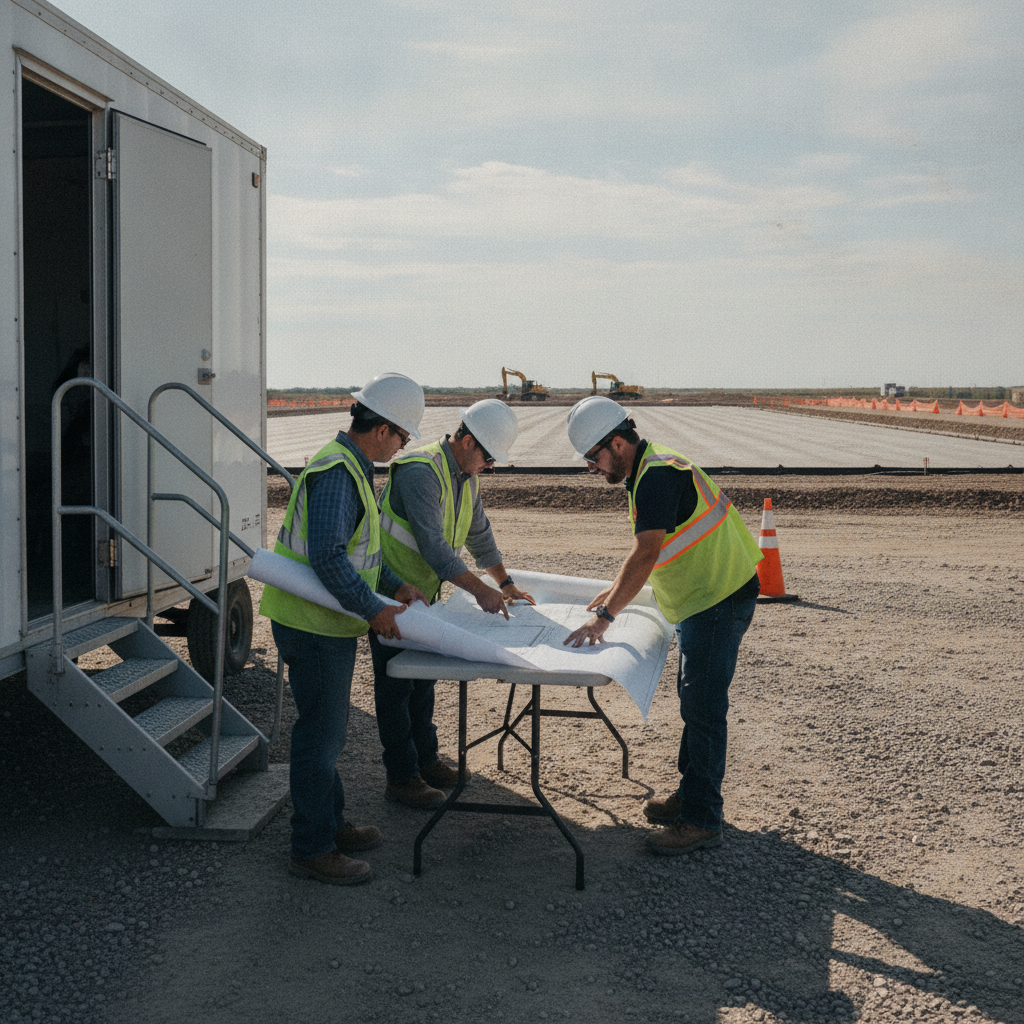
The foundation of any successful value engineering effort begins with a critical review of the preliminary Geotechnical soil report. These initial reports are typically based on a limited number of soil boring test locations and standardized assumptions. While essential for initial due diligence, they often recommend overly conservative solutions, such as deep foundations or extensive over-excavation, to mitigate perceived risks. A targeted VE approach questions these assumptions by strategically expanding the investigation. This might involve additional soil borings, Cone Penetration Testing (CPT), or laboratory testing to develop a more refined understanding of the site’s soil properties. By investing in a more robust subsurface model, we can often justify higher soil bearing capacity values or predict settlement with greater accuracy. This data-driven approach allows the design team to move away from broad, conservative parameters and toward a solution tailored to the actual site conditions and the specific loading demands of the data center structure. This phase is crucial for identifying opportunities for alternative foundation systems or ground improvement techniques that may have been dismissed in the preliminary analysis.
Foundation System Alternatives: Beyond Standard Shallow Foundations
Geotechnical Value Engineering Strategy Comparison
| VE Strategy | Typical Application | Primary Benefits (Cost/Schedule) | Potential Risks & Considerations |
|---|---|---|---|
| Enhanced Subsurface Investigation | Sites with variable soils or where initial reports are highly conservative. | Reduces uncertainty, potentially justifying less conservative design parameters and avoiding costly solutions. | Upfront cost for additional testing; may confirm the need for a robust solution. |
| Mat/Raft Foundation | Sites with moderate soil conditions and heavy, uniform loads. | Faster construction than deep foundations; excellent settlement control. | Requires large volume of concrete and steel; sensitive to utility penetrations. |
| Deep Foundations (Piles/Piers) | Sites with very poor surface soils overlying a strong deeper stratum. | High load capacity; predictable performance. | High cost, longer schedule, potential for vibration impacts on adjacent structures. |
| Ground Improvement (Aggregate Piers) | Loose sandy or soft clay soils to a moderate depth. | Allows use of shallow foundations, reducing cost and schedule; minimizes soil export. | Requires specialized contractors; performance is highly dependent on quality control. |
| Surcharging Program | Compressible soils (clays/silts) where settlement is a primary concern. | Significantly reduces long-term settlement; uses on-site materials, lowering fill costs. | Adds significant time to the pre-construction schedule (months). |
| Chemical Soil Stabilization | Marginal on-site soils that need improved strength for use as structural fill. | Reduces need for imported fill and off-site disposal; fast application. | Requires careful mix design and quality control; weather dependent. |
Data centers impose unique structural loads—heavy, concentrated loads from equipment, wide column spacing, and extremely low tolerance for differential settlement. A standard recommendation for poor soils might be costly deep foundations like driven piles or drilled shafts. However, a VE analysis explores a full spectrum of alternatives. For many Florida sites, a well-designed mat or raft foundation can be a highly effective solution, distributing loads over a large area to manage settlement and provide excellent support. This can eliminate the time and expense associated with deep foundation installation. The analysis compares the total installed cost, construction schedule, and long-term performance of each option. For example, while a mat foundation requires more concrete volume, it may offer significant schedule savings and reduce risks associated with pile driving vibrations. The evaluation must also consider the integration with under-slab utilities and drainage design, ensuring the chosen foundation system works in concert with the overall site plan design. A thorough settlement analysis is paramount to ensure the chosen system meets the stringent operational requirements of the facility.
Ground Improvement Techniques for Challenging Florida Soils
Florida’s geology, characterized by sandy soils, organic layers, and a high water table, often presents challenges for heavy structures. The default solution is often over-excavation and replacement with imported, engineered fill—a costly and time-consuming process. Geotechnical Value Engineering systematically evaluates advanced ground improvement techniques as more efficient alternatives. Methods like vibro-compaction, aggregate piers (stone columns), and deep soil mixing can significantly improve the engineering properties of in-situ soils, increasing their bearing capacity and reducing potential settlement. Aggregate piers, for instance, create dense, stiff columns of gravel that reinforce the surrounding soil, allowing for the use of conventional shallow foundations where they would otherwise be infeasible. This approach minimizes the need for off-site soil disposal and reduces truck traffic, offering both cost and sustainability benefits. The selection of the appropriate technique depends on the specific soil profile, the required performance criteria, and a detailed cost-benefit analysis compared to traditional methods. This is a core component of modern site development in complex environments.
Optimizing Earthwork: Fill, Surcharge, and Stabilization Trade-offs
Large-scale site development for data center campuses involves significant earthwork. A key VE opportunity lies in optimizing the cut/fill balance and the strategy for preparing the building pad. Instead of defaulting to importing massive quantities of expensive engineered fill, a VE study assesses other options. One such strategy is surcharging, where native soils are pre-loaded with temporary fill to induce settlement before construction begins. While this adds time to the schedule, it can dramatically reduce the cost of soil import and disposal. Another powerful tool is chemical soil stabilization, where agents like cement, lime, or fly ash are mixed with on-site soils to improve their strength and stability. This can transform marginal soils into a suitable structural fill, creating a stable subgrade for foundations and pavements. The analysis involves a detailed trade-off study, weighing the material and labor costs of each option against their impact on the overall construction administration and project schedule. This optimization is critical for controlling site work budgets.
Phasing Subsurface Investigations for Campus Buildouts
Data center projects are often developed in phases over several years. A common mistake is to conduct a comprehensive, campus-wide Geotechnical Engineering investigation at the outset. A value-engineered approach aligns the investigation with the development schedule. For Phase 1, a detailed investigation is performed to support final design and permitting. For future phases, a less intensive, preliminary investigation is sufficient to confirm site viability and inform master planning. This phased strategy conserves capital and provides flexibility. As the campus buildout progresses, technology and building designs may evolve, altering foundation loads and layouts. Delaying the detailed investigation for later phases ensures that the data collected is directly relevant to the final design, avoiding wasted effort and cost. This approach requires careful coordination with the master site plan design and overall development strategy, ensuring that early-phase construction does not compromise the viability of future phases.
Integrating Geotechnical Design with Stormwater and Utility Infrastructure
A data center’s foundation system does not exist in isolation. It must be fully integrated with other critical site infrastructure, including stormwater management systems and underground utilities. A deep foundation system, for example, can create conflicts with large-diameter storm pipes or underground detention vaults. A VE analysis considers these interactions from the start. A mat foundation might be designed to span over a utility corridor, or a ground improvement strategy could be selected to avoid clashes with proposed stormwater infrastructure. This holistic approach, managed by experienced Civil Engineers, prevents costly redesigns and construction delays. Effective utility coordination is paramount. The geotechnical solution must accommodate the complex network of power, data, and water lines that serve the facility. By evaluating foundation alternatives in the context of the complete site design, we can identify the most efficient overall solution, ensuring that all systems work together seamlessly and meet all agency review requirements for permit submittals.
Our Approach to Geotechnical VE
At RSP Engineers, our process begins with a peer review of existing geotechnical data. We work collaboratively with the developer and structural engineer to define the project’s specific performance criteria, risk tolerance, and budget constraints. Our team of Florida Licensed Engineers then develops a targeted plan for supplemental investigation to fill in data gaps and challenge conservative assumptions. We model various foundation and ground improvement alternatives, providing a clear comparison of costs, schedule impacts, and long-term performance. This allows the project team to make an informed, data-driven decision that optimizes the design for value and reliability, streamlining the path through agency review and construction.
Common Issues and Challenges
Even with a robust VE process, challenges can arise. Unforeseen subsurface conditions, such as buried debris or pockets of highly organic material not found in borings, can necessitate field design changes. Another common issue is contractor inexperience with a specified ground improvement technique, which can lead to quality control problems. Finally, aggressive project schedules can sometimes limit the viability of options like surcharging, forcing a decision toward a faster but more expensive solution. Proactive risk management and thorough pre-qualification of specialty contractors are essential to mitigate these challenges and ensure the success of the value-engineered design during construction administration.
Optimize Your Next Data Center Project
Don’t let conservative assumptions dictate your foundation budget. RSP Engineers provides the expert Geotechnical Engineering and civil design services needed to unlock value and optimize your mission-critical facility. Our team excels at navigating complex subsurface challenges to deliver reliable, cost-effective solutions. Whether you are in the early stages of site selection or have a design that needs a second look, we can help. Contact us today to discuss your project’s unique challenges and learn how our approach to site development, utility coordination, and permitting can save you time and money.
Conclusion
Geotechnical Value Engineering is an essential, data-driven process for any serious data center developer in Florida. It moves beyond the one-size-fits-all recommendations of a preliminary report, leveraging advanced analysis and a deeper understanding of the site to optimize the foundation design. By systematically evaluating alternatives from ground improvement to innovative foundation systems, developers can achieve a design that is safe, reliable, and cost-effective. This strategic investment in engineering analysis pays dividends by reducing material costs, accelerating construction schedules, and mitigating long-term risks, ensuring the success of the entire site development project.
FAQs
-
The ideal time is during the due diligence or conceptual design phase, immediately after receiving the preliminary Geotechnical soil report. Engaging early allows VE findings to inform the fundamental site layout and structural design, maximizing potential savings and avoiding costly redesigns later in the process.
-
Yes, significantly. By justifying a higher soil bearing capacity through better data, we can often design smaller spread footings. Alternatively, selecting a ground improvement method can enable the use of a conventional shallow foundation system instead of a much more material-intensive deep foundation system, directly reducing concrete and steel quantities.
-
The risk is managed by replacing conservative assumptions with superior data. The goal of VE is not to increase risk, but to right-size the design by achieving a more accurate understanding of the subsurface conditions. The final design is still engineered to meet all safety factors required by the Florida Building Code and industry best practices.