
Data Center Generator Yard Planning
Explore essential considerations for planning data center generator yards, including site design, utility coordination, and stormwater management.
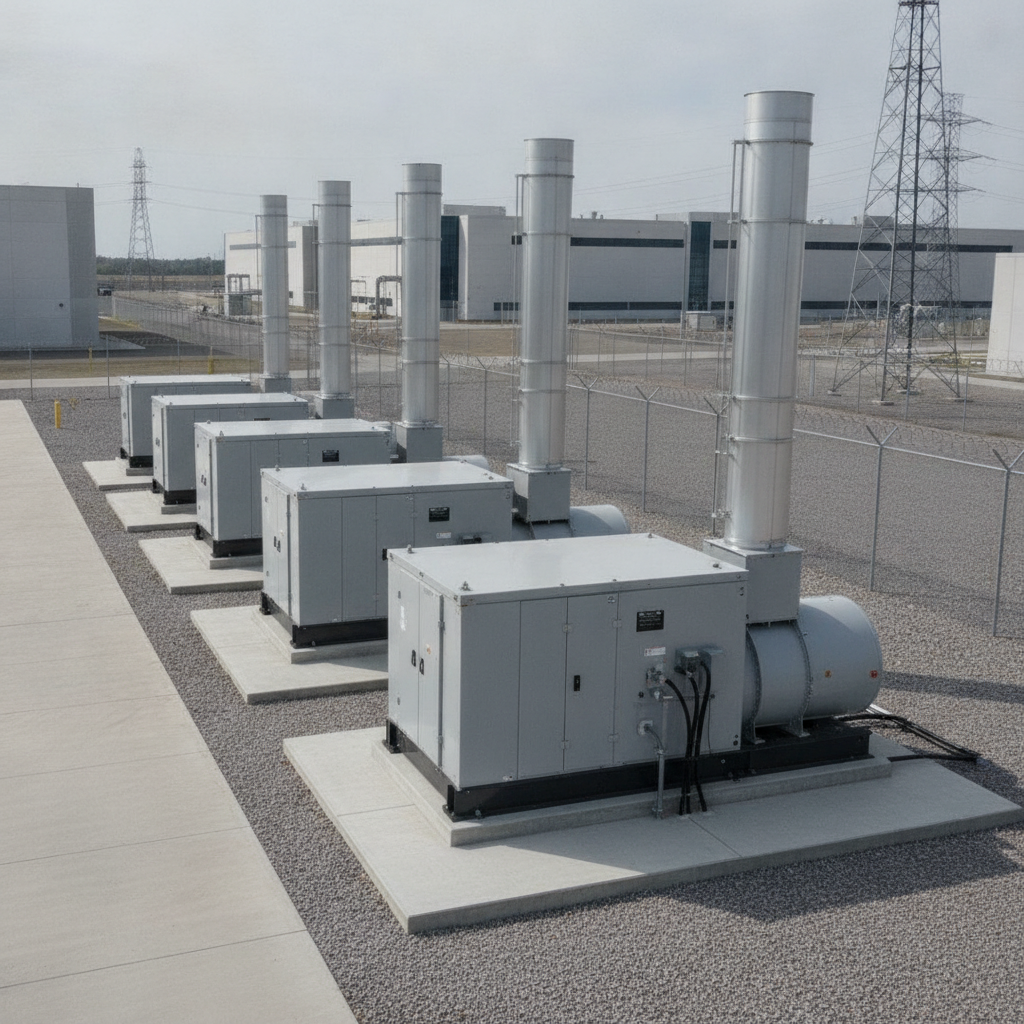
Key Considerations for Generator Yard Design
Generator Yard Planning Requirements
| Requirement | Description | Considerations |
|---|---|---|
| Site Location | Strategically placed to avoid flood-prone areas. | Proximity to data center, access for maintenance. |
| Fuel Storage | Compliant with environmental regulations. | Capacity, containment, and safety measures. |
| Electrical Connections | Robust and reliable connections to the data center. | Compatibility with existing systems, redundancy. |
| Stormwater Management | Effective drainage to prevent flooding. | Permeable surfaces, drainage channels. |
| Expansion Capability | Space for future generator additions. | Site layout, zoning compliance. |
Designing a generator yard requires a thorough understanding of the data center’s power needs and site constraints. The yard must be strategically located to minimize the risk of flooding and ensure easy access for maintenance and refueling. Key factors include: Site grading to prevent water accumulation. Ensuring fuel containment systems are compliant with environmental regulations. Providing adequate space for future expansion of generator capacity.
Additional Context
Utility Coordination and Infrastructure Design
Utility coordination is essential to integrate the generator yard with existing infrastructure. This involves coordinating with utility providers to ensure that the electrical and fuel systems are compatible with the data center’s requirements. Considerations include: Ensuring electrical connections are robust and reliable. Designing fuel delivery systems that are efficient and safe. Planning for redundancy to enhance reliability.
Stormwater Management in Generator Yards
Effective stormwater management is critical in preventing flooding and ensuring the operational integrity of the generator yard. This involves implementing drainage systems that can handle heavy rainfall and prevent water from pooling around the generators. Strategies include: Installing permeable surfaces to reduce runoff. Designing drainage channels to direct water away from critical areas. Incorporating retention basins to manage excess water.
Generator Yard Planning Requirements
Requirement Description Considerations Site Location Strategically placed to avoid flood-prone areas. Proximity to data center, access for maintenance. Fuel Storage Compliant with environmental regulations. Capacity, containment, and safety measures. Electrical Connections Robust and reliable connections to the data center. Compatibility with existing systems, redundancy. Stormwater Management Effective drainage to prevent flooding. Permeable surfaces, drainage channels. Expansion Capability Space for future generator additions. Site layout, zoning compliance.
RSP Engineers’ Approach to Generator Yard Planning
At RSP Engineers, our Professional Engineering Team employs a comprehensive approach to generator yard planning. We begin with a detailed site analysis to understand the specific needs and constraints of each project. Our Engineering Design Team collaborates with clients to develop customized solutions that ensure compliance with all relevant regulations and standards. Our process includes: Conducting soil tests to assess site conditions. Designing stormwater management systems tailored to the site. Coordinating with utility providers for seamless integration.
Common Issues in Generator Yard Planning
Several challenges can arise during the planning and construction of generator yards. Common issues include: Inadequate stormwater management leading to flooding. Non-compliance with environmental regulations for fuel storage. Insufficient space for future expansion. Addressing these issues early in the planning process is crucial to avoid costly modifications later.
Contact RSP Engineers for Expert Guidance
For expert guidance on Data Center Generator Yard Planning, contact RSP Engineers. Our Professional Engineering Team offers comprehensive site design and utility coordination services to ensure your project meets all regulatory and operational requirements. Let us help you achieve a seamless integration of your backup power systems.
Conclusion
Effective Data Center Generator Yard Planning is essential for ensuring reliable backup power. By focusing on site design, utility coordination, and stormwater management, you can create a robust and compliant generator yard that supports the operational needs of your data center. Partner with RSP Engineers for expert assistance in achieving your project goals.
Related Articles
FAQs
Future Expansion Planning for Data Centers Fuel Tank Site Design for Data Centers Stormwater Management Strategies for Data Centers
-
The location should minimize flood risk, provide easy access for maintenance, and be close to the data center for efficient power delivery.
-
Effective stormwater management prevents flooding and ensures the operational integrity of the yard by directing water away from critical areas.
-
Fuel storage must comply with environmental regulations, focusing on containment, capacity, and safety measures to prevent leaks and spills.