
Data Center Future Expansion Planning
Explore strategies for planning future expansions of data centers, focusing on site development, utility coordination, and infrastructure design.
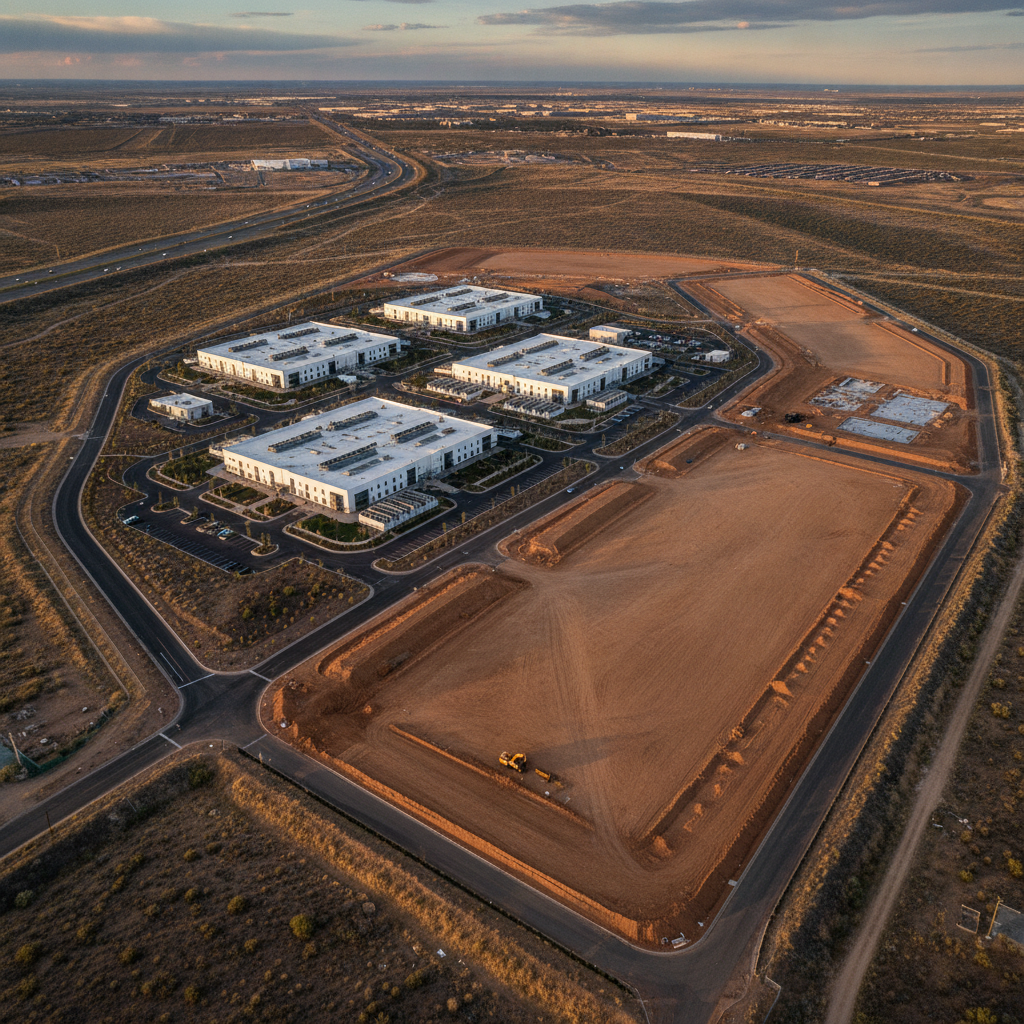
Strategic Site Development for Data Centers
Data Center Expansion Planning Considerations
| Consideration | Current Phase | Future Phase |
|---|---|---|
| Land Use | Existing building footprint | Reserved space for additional buildings |
| Utility Capacity | Current load requirements | Projected load increases |
| Infrastructure Design | Basic infrastructure setup | Enhanced systems for scalability |
| Environmental Impact | Initial assessments | Ongoing monitoring and mitigation |
| Regulatory Compliance | Current permits and approvals | Future compliance strategies |
Future-proofing a data center begins with comprehensive site development. This involves selecting a location that not only meets current needs but also accommodates future growth. Key factors include: Land availability for additional buildings and infrastructure. Proximity to reliable power sources and utility services. Environmental considerations, such as flood zones and soil stability. By planning for these elements, civil engineering firms can ensure that the data center remains operationally efficient and scalable.
Additional Context
Utility Coordination and Infrastructure Design
Effective utility coordination is crucial for data center expansions. This involves working closely with utility providers to ensure that power, water, and telecommunications services can be scaled as needed. Key considerations include: Assessing current utility capacities and future demands. Designing redundant systems to ensure uninterrupted service. Implementing advanced infrastructure design techniques to support increased loads. By addressing these factors, engineering professionals can facilitate seamless expansions that meet the growing demands of data centers.
Phased Construction and Site Planning
Phased construction is a strategic approach to data center expansion planning. It allows for incremental growth, minimizing disruptions to existing operations. Key elements of phased construction include: Developing a master plan that outlines future phases. Ensuring that initial construction supports future expansions. Coordinating with licensed engineers to manage timelines and budgets effectively. This approach enables site development professionals to adapt to changing needs while maintaining operational efficiency.
Data Center Expansion Planning Considerations
Consideration Current Phase Future Phase Land Use Existing building footprint Reserved space for additional buildings Utility Capacity Current load requirements Projected load increases Infrastructure Design Basic infrastructure setup Enhanced systems for scalability Environmental Impact Initial assessments Ongoing monitoring and mitigation Regulatory Compliance Current permits and approvals Future compliance strategies
How RSP Engineers Approach Data Center Expansion
At RSP Engineers, our professional engineering team employs a comprehensive approach to data center expansion planning. We begin with a detailed assessment of current and future needs, followed by strategic site development and utility coordination. Our experienced civil engineers ensure that every aspect of the expansion is meticulously planned and executed.
Common Issues in Data Center Expansion
Data center expansions can face several challenges, including: Underestimating future utility demands. Inadequate land use planning. Regulatory hurdles and compliance issues. By anticipating these issues, engineering consultants can develop proactive solutions to mitigate risks.
Contact RSP Engineers
For expert guidance on data center expansion planning, contact RSP Engineers. Our engineering professionals are ready to assist with site development, utility coordination, and infrastructure design to ensure your project’s success.
Conclusion
Planning for the future expansion of data centers requires a strategic approach to site development, utility coordination, and infrastructure design. By addressing these critical areas, civil engineering experts can ensure that data centers remain scalable and efficient, meeting the growing demands of the digital age.
Related Articles
FAQs
Understanding Site Development for Data Centers Key Components of a Data Center Utility Yard Generator Yard Requirements for Data Centers
-
Key factors include land availability, proximity to utilities, environmental conditions, and regulatory compliance.
-
Effective utility coordination ensures that power, water, and telecommunications services can scale with the data center’s growth.
-
Phased construction allows for incremental growth, minimizing disruptions and ensuring that initial builds support future expansions.