
Data Center Fuel Tank Site Design
Explore key considerations for designing data center fuel tank sites, including safety, compliance, and environmental factors.
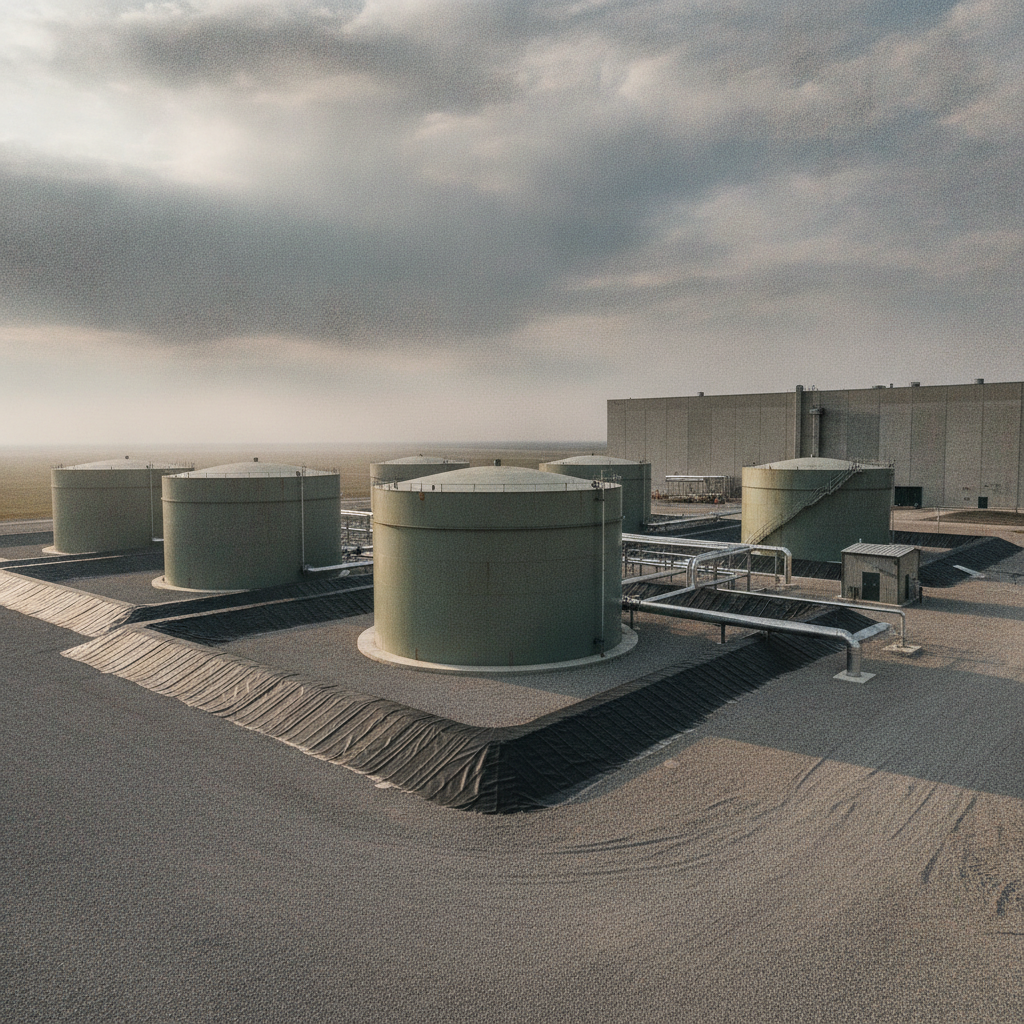
Key Considerations for Fuel Tank Site Design
Fuel Tank Site Design Requirements
| Design Element | Requirement | Considerations |
|---|---|---|
| Secondary Containment | Mandatory | Must accommodate 110% of tank volume |
| Environmental Compliance | Regulatory | Adhere to local and national standards |
| Safety Protocols | Essential | Include fire suppression and spill response |
| Site Accessibility | Critical | Ensure access for maintenance and emergencies |
| Utility Integration | Required | Coordinate with existing infrastructure |
The design of a fuel tank site for a data center must prioritize safety and environmental protection. Key considerations include: Secondary containment systems to prevent leaks and spills. Compliance with environmental regulations and safety standards. Integration with existing infrastructure design and utility systems. Accessibility for maintenance and emergency response.
Additional Context
Environmental and Safety Compliance
Ensuring compliance with environmental and safety regulations is paramount in fuel tank site design. This involves: Adhering to environmental compliance standards to minimize ecological impact. Implementing robust safety protocols to protect personnel and assets. Regular inspections and maintenance to ensure operational integrity.
Designing for Operational Efficiency
Operational efficiency is a critical factor in the design of fuel tank sites. Considerations include: Optimizing site plan design for fuel delivery and storage. Ensuring seamless utility coordination with other data center systems. Incorporating advanced monitoring and control systems for fuel management.
Fuel Tank Site Design Requirements
Design Element Requirement Considerations Secondary Containment Mandatory Must accommodate 110% of tank volume Environmental Compliance Regulatory Adhere to local and national standards Safety Protocols Essential Include fire suppression and spill response Site Accessibility Critical Ensure access for maintenance and emergencies Utility Integration Required Coordinate with existing infrastructure
RSP Engineers’ Approach to Fuel Tank Site Design
At RSP Engineers, our Professional Engineering Team employs a comprehensive approach to fuel tank site design. We prioritize safety, compliance, and operational efficiency, ensuring that each project meets the highest standards. Our Engineering Consultants work closely with clients to tailor solutions that align with their specific needs and regulatory requirements.
Common Issues in Fuel Tank Site Design
Designing fuel tank sites for data centers can present several challenges, including: Ensuring compliance with evolving environmental regulations. Integrating new systems with existing infrastructure design. Managing costs while maintaining safety and efficiency.
Contact RSP Engineers for Expert Guidance
For expert guidance on data center fuel tank site design, contact RSP Engineers. Our Experienced Civil Engineers are ready to assist with planning, permitting, and construction management services to ensure your project’s success.
Conclusion
Designing a data center fuel tank site requires careful consideration of safety, environmental, and operational factors. By prioritizing environmental compliance and efficient utility coordination, RSP Engineers ensures that each project meets the highest standards of safety and performance.
Related Articles
FAQs
Data Center Utility Yard Design Generator Yard Planning for Data Centers Environmental Compliance in Data Center Design
-
Key safety considerations include implementing secondary containment systems, adhering to safety protocols, and ensuring site accessibility for emergency response.
-
Environmental compliance impacts design by requiring adherence to regulations that minimize ecological impact and ensure safe fuel storage practices.
-
Utility coordination is crucial for integrating fuel storage systems with existing data center infrastructure, ensuring seamless operation and maintenance.