
Data Center Development Constraints That Affect Project Viability
Explore the critical site development constraints affecting data center project viability, from utility capacity and zoning to environmental regulations. Learn how expert civil engineering due diligen
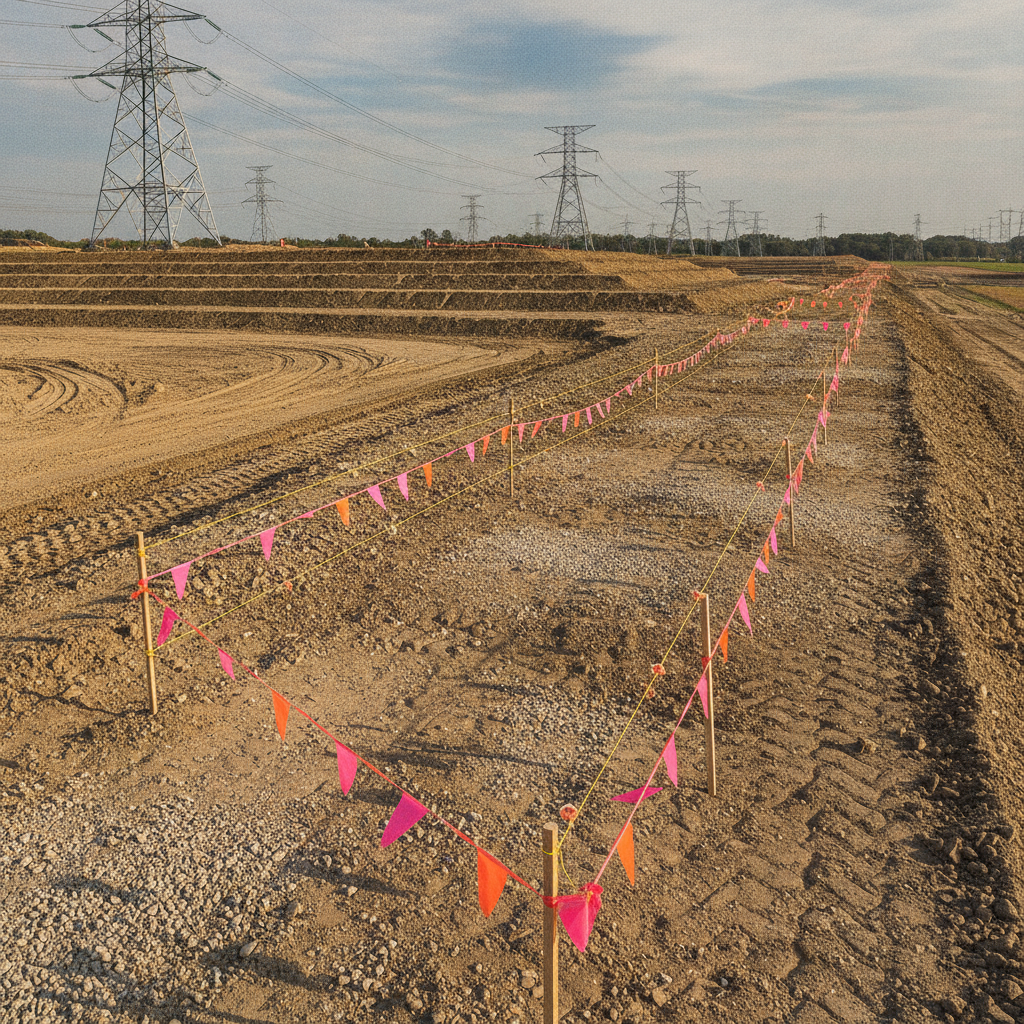
Power and Utility Capacity: The Primary Gatekeeper
The single greatest constraint for modern data center development is the availability of massive, reliable power. A typical hyperscale data center can require over 100 megawatts (MW) of electricity, equivalent to a small city. A viable site must have access to high-voltage transmission lines and a substation with sufficient capacity. The utility coordination process involves detailed load studies and navigating the provider’s interconnection queue, which can take years in some regions. Securing a commitment to serve from the utility is a critical early milestone. Beyond power, water availability is a major factor, especially for facilities using evaporative cooling. Securing adequate water rights and wastewater discharge capacity is a complex process involving extensive negotiation with utility providers. Finally, redundant, high-capacity fiber optic connectivity is non-negotiable. A thorough site development feasibility study must confirm the presence of multiple, diverse fiber routes from different carriers to ensure network resilience. The absence of any one of these critical utilities can render an otherwise perfect site unusable.
Zoning, Entitlements, and Community Acceptance
Key Constraint Analysis for Data Center Viability
| Constraint Category | Key Viability Factor | Potential Impact on Schedule & Cost |
|---|---|---|
| Power & Utilities | Availability of 100+ MW power, substation proximity, and interconnection queue position. | High. Can add 2-5+ years to schedule. Infrastructure upgrades can cost tens of millions. A deal-breaker if unavailable. |
| Zoning & Entitlements | Appropriate zoning in place or a clear, low-risk path to rezoning. Community support. | High. A contentious rezoning can delay a project by 12-24 months or kill it entirely. Unforeseen conditions of approval add cost. |
| Environmental | Absence of significant wetlands, floodplains, or endangered species habitat. | Medium to High. Mitigation can be costly and time-consuming. Discovery of major contamination can make a site undevelopable. |
| Geotechnical Conditions | Adequate soil bearing capacity and absence of shallow rock or high groundwater. | Medium. Poor soils can add 5-15% to total site work and foundation costs. Requires specialized Geotechnical Engineering. |
| Physical Encumbrances | Net usable area after accounting for easements, setbacks, and topography. | Medium. Reduces development yield. Significant earthwork or retaining walls can substantially increase site construction budget. |
| Access & Transportation | Adequate roadway capacity and proximity to major transportation routes. | Low to Medium. Required off-site road improvements can add significant cost and require lengthy right-of-way acquisition and permitting. |
A site must be zoned for industrial or a similar use that explicitly permits data centers. If not, the project faces a lengthy and uncertain rezoning or special exception process. This entitlement risk involves public hearings, planning commission reviews, and potential opposition from adjacent communities concerned about noise from cooling equipment, water consumption, or the aesthetic impact of large, windowless buildings. A successful zoning compliance strategy requires early engagement with the local planning department and a clear understanding of the comprehensive plan. The specific requirements for site plan approval, including architectural standards, landscaping buffers, and noise mitigation measures, can significantly impact design and cost. Permitting requirements vary by jurisdiction, and every project team should confirm the applicable standards with the local, state, regional, and federal authorities that hold review authority over the site. A thorough analysis of the local land development code is a critical step in the due diligence process to identify potential roadblocks before significant capital is invested in design.
Environmental and Geotechnical Site Constraints
Federal and state environmental regulations present significant hurdles. The presence of jurisdictional wetlands, protected under the Clean Water Act, can severely limit the developable area or require costly mitigation. Similarly, sites located within a FEMA-designated floodplain will face stringent building code compliance requirements and potentially prohibitive insurance costs. A Phase I Environmental Site Assessment is standard practice to identify potential contamination from prior land uses, while surveys for endangered species and cultural or archaeological resources are often required. Beneath the surface, ground conditions are equally important. A comprehensive Geotechnical soil report is essential to determine soil bearing capacity, the presence of rock, and the depth of the water table. Poor soil conditions can necessitate expensive deep foundations or extensive soil remediation, dramatically increasing site work costs. The Geotechnical engineer provides critical data that informs the entire site plan design, from foundation engineering to the design of underground utility and stormwater management systems.
Physical Site Limitations: Easements, Setbacks, and Topography
The gross acreage of a parcel is often misleading. The net usable area is what truly matters, and it can be significantly reduced by physical encumbrances. Existing utility easements for pipelines, transmission lines, or drainage can create large no-build zones that fragment the site and complicate the layout. Property line setbacks, landscape buffer requirements, and internal road networks further consume valuable land. A skilled civil engineering team can perform a detailed yield study to determine the maximum supportable building footprint and associated infrastructure. Topography also plays a crucial role. A steeply sloped site requires extensive and costly earthwork to create level building pads, potentially involving large retaining walls. This not only adds direct construction cost but can also complicate drainage design and ADA compliance for pedestrian pathways. An ideal site is relatively flat, minimizing the earthwork budget and simplifying the overall site development process.
Airspace and Height Restrictions
Proximity to airports or flight paths introduces another layer of regulation. The Federal Aviation Administration (FAA) imposes height restrictions to ensure navigational safety. These restrictions can impact the height of the main building, cooling towers, and even temporary construction equipment like cranes. A formal FAA obstruction evaluation may be required as part of the permitting process. Local zoning ordinances may also impose their own height limits that are independent of FAA rules, further constraining the vertical design of the facility.
Transportation and Access Infrastructure
A data center site requires robust transportation access for both construction and operation. The surrounding road network must be able to handle heavy truck traffic delivering building materials, fuel, and massive equipment like generators and chillers. A traffic impact analysis is often required by the local transportation agency to identify necessary roadway improvements, such as new turn lanes or signalization, which can become a significant project cost. The site plan design must also provide for adequate internal circulation, loading docks, and emergency vehicle access that meets local fire code and ADA compliance standards.
Our Approach to Data Center Site Feasibility
At RSP Engineers, our process for evaluating data center viability is systematic and data-driven. We begin with a high-level desktop analysis, using GIS data and public records to screen for obvious red flags like floodplains, major easements, and zoning conflicts. If a site shows promise, we proceed to a comprehensive due diligence phase. This involves direct utility coordination with power, water, and fiber providers to confirm capacity and timelines. Our team conducts detailed site investigations, engages with regulatory agencies to clarify the permitting pathway, and commissions a Geotechnical soil report. We synthesize all findings—from environmental constraints and traffic impacts to drainage design considerations—into a clear feasibility report. This document provides clients with a holistic understanding of the risks, costs, and schedule implications, empowering them to make an informed investment decision before committing to acquisition and full design.
Common Issues That Derail Data Center Projects
Even with careful planning, certain issues frequently emerge to challenge data center developments. The most common is underestimating the timeline for high-voltage power delivery; the utility’s schedule, not the developer’s, dictates the project’s go-live date. Another frequent problem is the discovery of unrecorded easements or restrictive covenants during the title search, which can unexpectedly shrink the buildable area. Finally, projects often face delays when agency review comments on permit submittals require significant redesign of critical systems like stormwater management or site access, highlighting the need for engineers with strong local knowledge and agency relationships.
Partner with RSP Engineers for Mission-Critical Site Development
Navigating the complexities of data center development requires a partner with deep expertise in large-scale site development. RSP Engineers provides the comprehensive site engineering services needed to transform a raw piece of land into a construction-ready site. Our team excels at managing the critical path, from initial feasibility studies and utility coordination to securing all necessary entitlements and permits. We deliver optimized designs for grading, drainage, and utilities that align with your budget and operational goals. Let our experience in complex land development and permitting de-risk your next mission-critical project.
Conclusion: Proactive Due Diligence is Non-Negotiable
The success of a data center project is determined long before the first shovel hits the ground. A proactive, exhaustive due diligence process is the only way to mitigate the substantial risks associated with these developments. By thoroughly investigating utility capacity, zoning compliance, and environmental constraints, developers can avoid costly surprises and ensure their capital is deployed on viable sites. Partnering with an experienced civil engineering firm is the most effective strategy for navigating these challenges and laying the groundwork for a successful project.
FAQs
-
You should engage a civil engineering firm during the earliest stages of site selection, even before placing a property under contract. Early due diligence can identify fatal flaws and provide critical data for negotiating purchase agreements, saving you significant time and capital.
-
Power availability is almost always the single biggest risk. Securing a firm commitment for the required power capacity and understanding the multi-year timeline for delivery from the utility provider is the most critical hurdle to clear for project viability.
-
Yes, but it is often a complex and expensive undertaking. Upgrading electrical transmission lines, substations, water mains, or sewer systems requires extensive utility coordination, design, permitting, and construction that can take several years and cost millions of dollars. These costs must be factored into the project’s pro forma.