
Data Center Civil Value Engineering
Discover how value engineering in civil site design optimizes data center projects. Learn strategies for grading, stormwater, utilities, and pavement to reduce costs and accelerate schedules.
The Core Principles of Value Engineering in Civil Site Design
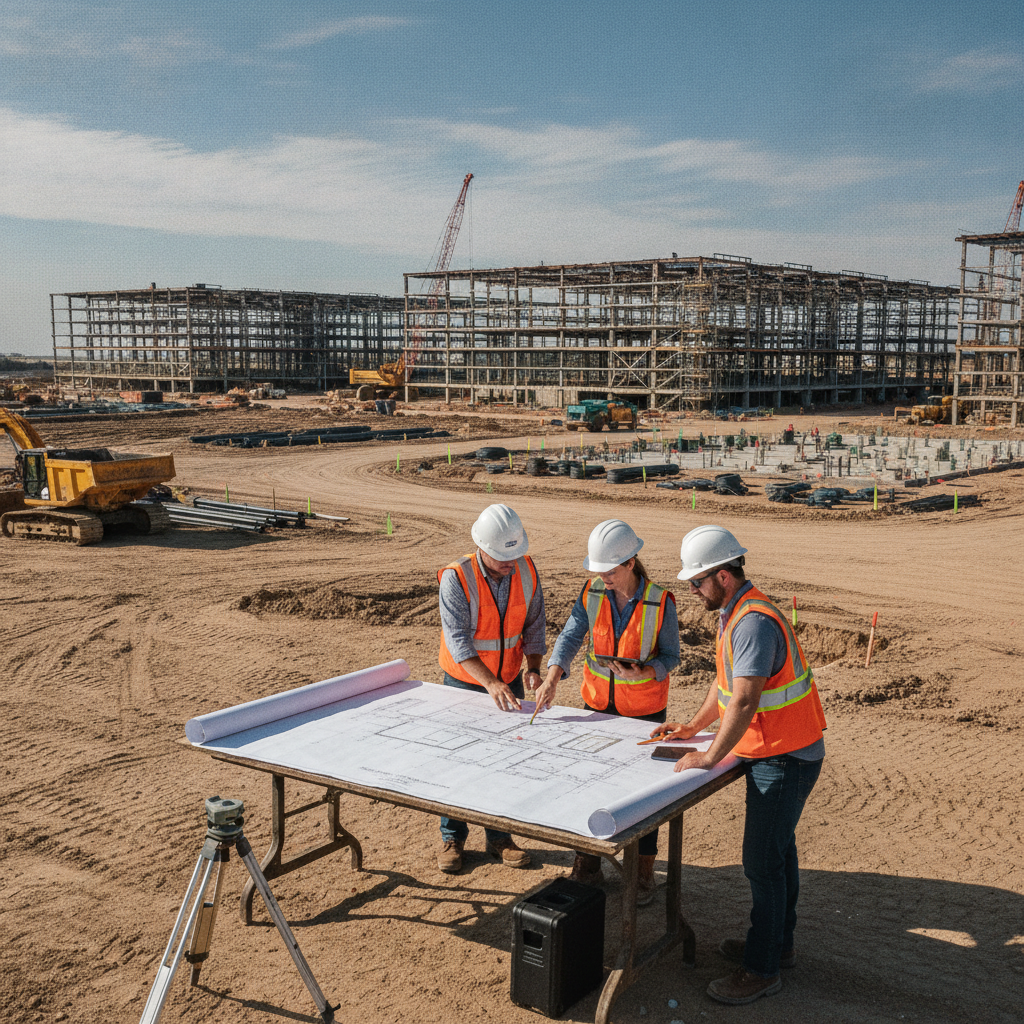
Value engineering is a disciplined, creative effort to analyze the functional requirements of a project for the purpose of achieving the essential functions at the lowest total lifecycle cost. In the context of civil engineering for data centers, this means looking beyond the initial construction bid. It involves a holistic assessment of design alternatives, materials, and construction methods to find the optimal balance between cost, performance, schedule, and risk. The goal is not simply to reduce the budget but to improve value. This might mean specifying a more expensive pavement section that has a much longer service life and lower maintenance costs, thereby reducing the total cost of ownership. Key objectives of a successful VE process include minimizing capital expenditure (CapEx), lowering long-term operational expenditure (OpEx), de-risking the construction process, and accelerating the project delivery schedule. This process is most effective when initiated early, during the due diligence and conceptual design phases, where changes can be implemented with minimal impact on schedule and budget.
Optimizing Earthwork and Grading for Mass-Scale Sites
Value Engineering Alternative Analysis for Data Center Sites
| Civil System | Standard Approach | Value Engineering Alternative | Key Benefits |
|---|---|---|---|
| Earthwork & Grading | Single finished floor elevation across campus. | Tiered building pads that follow natural topography; strategic use of retaining walls. | Reduced cut/fill volumes, lower earthwork costs, faster grading schedule, preservation of usable land. |
| Stormwater Management | Large, open surface detention/retention pond. | Underground detention systems, bioretention, or a hybrid approach. | Frees up valuable land for expansion, can improve water quality, may reduce long-term maintenance. |
| Pavement Sections | Uniform heavy-duty asphalt or concrete throughout. | Variable-depth sections based on traffic loads (heavy-duty concrete for truck aprons, standard asphalt for parking). | Reduced material costs, optimized for performance and durability, lower total lifecycle cost. |
| Utility Corridors | Separate, wide trenches for each utility (power, fiber, water). | Consolidated, multi-way duct banks in a common trench. | Less excavation, reduced site disruption, improved protection of critical lines, simplified future expansion. |
| Retaining Walls | Standard cast-in-place concrete walls. | Mechanically Stabilized Earth (MSE) walls, segmental block walls, or soil nailing. | Potential for significant cost savings, faster construction, and aesthetic flexibility depending on site conditions. |
Data center campuses often occupy vast tracts of land, making earthwork one of the most significant civil construction costs. Achieving a balanced site, where the amount of excavated soil (cut) equals the amount of soil needed for embankments (fill), is a primary goal of value engineering. Importing or exporting large quantities of soil is expensive, time-consuming, and introduces logistical complexities. A thorough analysis of the existing topography against the proposed finished floor elevations is crucial. Our engineers use sophisticated 3D modeling software to analyze multiple site grading scenarios. By making slight adjustments to building pad elevations, parking lot slopes, or pond locations, we can often dramatically reduce the need for off-site soil transport. Other VE strategies include evaluating the use of retaining walls versus graded slopes, which can free up valuable real estate for future expansion. A comprehensive Geotechnical soil report is essential to this process, as it informs soil suitability for use as fill, potential for swell or settlement, and the presence of rock, all of which heavily influence the cut/fill balance and overall site strategy.
Strategic Stormwater Management and Drainage Design
The immense rooftops and sprawling parking lots of data centers create vast impervious areas, generating significant stormwater runoff that must be managed in compliance with local and federal regulations. The default solution is often a large, open detention or retention pond, which consumes valuable land that could be used for future data halls or support infrastructure. Value engineering in stormwater management explores more efficient and space-saving alternatives. These alternatives can include underground detention systems, which store runoff in large pipes or vaults beneath parking lots, freeing up surface area for development. Other options involve integrating Low Impact Development (LID) features like bioretention basins or permeable pavements where feasible. The optimal drainage design also considers the long-term maintenance burden of each option. Permitting requirements for stormwater management systems and environmental resource protection vary by jurisdiction, and every project team should confirm the applicable standards with the local, state, regional, and federal authorities that hold review authority over the site. An experienced civil engineer can navigate these regulations to identify the most cost-effective and compliant solution.
Pavement Section Alternatives and Lifecycle Cost Analysis
Pavement represents another major cost center in data center site development, covering access roads, fire lanes, and extensive parking and equipment yard areas. A one-size-fits-all approach to pavement design is rarely the most valuable. Value engineering involves a detailed analysis of the expected traffic loads—from heavy construction vehicles and fuel tankers to daily employee traffic—and designing different pavement sections accordingly. We perform a lifecycle cost analysis comparing various materials, such as heavy-duty concrete for high-traffic aprons and loading zones versus standard-duty asphalt for employee parking. This analysis considers not only the initial installation cost but also projected maintenance costs, repair frequency, and expected service life. The site’s specific geotechnical conditions, as identified in the Soil Test, are a critical input, as poor subgrade support can necessitate more robust and costly pavement sections. Optimizing the pavement design ensures durability where needed most while avoiding over-design in less critical areas.
Consolidating Utilities and Duct Bank Routing
Data centers are defined by their immense power and fiber requirements, resulting in a complex network of underground utilities. Effective utility coordination is a cornerstone of civil VE. The primary strategy is the consolidation of conduits into shared trenches and concrete-encased duct bank systems. This approach minimizes the extent of trenching, reduces the potential for utility conflicts, and provides a secure, organized pathway for critical infrastructure. VE analysis involves modeling different routing options to find the shortest, most direct paths while avoiding sensitive environmental areas and accommodating future expansion. Early and continuous coordination with power and fiber providers is essential to ensure their requirements are met and to prevent costly redesigns. A well-planned utility infrastructure as part of the overall site development plan not only reduces upfront construction costs but also simplifies future maintenance and upgrades, adding significant long-term value.
The RSP Engineers Value Engineering Process
At RSP Engineers, our value engineering process is a collaborative, multi-disciplinary effort integrated into the project lifecycle from the very beginning. We don’t treat VE as a separate, late-stage cost-cutting exercise. Instead, we see it as a fundamental part of smart site plan design. Our process begins during initial due diligence and conceptual planning, where we have the greatest ability to influence positive outcomes. Our team works closely with the owner, architects, contractors, and other stakeholders to perform a functional analysis of the civil systems. We facilitate brainstorming sessions to generate creative alternatives and then rigorously evaluate them based on cost, schedule, constructability, and long-term performance. This proactive approach to constructability review and design optimization ensures that value is built into the project from the ground up, avoiding costly redesigns and delivering a more efficient and resilient civil engineering solution.
Common Challenges in Data Center VE Implementation
While the benefits of value engineering are clear, implementation can face challenges. Aggressive project schedules often create pressure to stick with familiar, standard designs rather than exploring innovative alternatives. A lack of early collaboration between the design team, client, and contractor can lead to missed opportunities for optimization. Furthermore, an incomplete or rushed geotechnical investigation can undermine the entire VE process, as accurate soil and groundwater data is fundamental to sound decisions on grading, foundations, and pavement. Another hurdle can be a narrow focus on initial capital costs without proper consideration for lifecycle expenses. A cheaper upfront solution may lead to higher maintenance, repair, or replacement costs down the road. Overcoming these challenges requires a committed project team, an experienced Professional Engineer leading the civil design, and a clear understanding from all stakeholders that the goal of VE is to maximize overall project value, not just to minimize the initial price tag for site engineering services. Frequently Asked Questions When is the best time to perform value engineering for a data center site? The most impactful time to perform value engineering is during the earliest phases of a project, such as site selection, due diligence, and schematic design. This is when major decisions about site layout, grading, and utility strategy are made. Introducing VE at this stage allows for maximum flexibility and cost avoidance with minimal impact on the project schedule. Does value engineering always mean choosing the cheapest option? Absolutely not. Value engineering is about achieving the best value, which is a balance of cost, function, quality, and schedule. The process often identifies solutions that have a higher initial cost but provide a significantly lower total lifecycle cost through reduced maintenance, greater durability, or improved operational efficiency. It’s about optimizing the investment, not just minimizing the capital expenditure. How does value engineering impact the permitting process? A well-executed VE process can positively impact permitting. For example, proposing an innovative stormwater management solution like an underground system might be viewed favorably by regulatory agencies as it preserves more open space. However, significant design changes resulting from VE may require revisions to permit applications. Early engagement with a knowledgeable civil engineering firm helps align VE goals with the anticipated agency review process. Can VE be applied to existing data center sites or expansions? Yes. While the greatest impact is on new builds, VE principles are highly applicable to campus expansions and retrofits. This could involve re-evaluating the stormwater management system to free up land for a new data hall, optimizing utility routes for a new substation, or redesigning traffic circulation and pavement to accommodate increased operational loads. It’s a valuable tool for maximizing the potential of an existing asset. What role does a Geotechnical engineer play in civil VE? The Geotechnical engineer is a critical partner in the value engineering process. Their findings from the geotechnical investigation and Soil boring test provide the foundational data for major VE decisions. This data dictates feasible grading strategies, informs retaining wall design, determines pavement subgrade requirements, and identifies potential site constraints like rock or a high water table. Without a thorough geotechnical analysis, any VE recommendations related to earthwork or foundations would be based on risky assumptions.
Partner with RSP Engineers for Your Next Mission-Critical Project
Optimizing a data center site requires a deep understanding of mission-critical facility demands and a proactive, creative approach to civil engineering. The team at RSP Engineers specializes in providing comprehensive site development and permitting services for data center clients nationwide. We integrate value engineering into every stage of our process, from initial due diligence and master planning to final construction documents. Our expertise in stormwater management, utility coordination, and large-scale earthwork analysis ensures your project is built on a resilient, cost-effective, and scalable foundation. We partner with you to navigate complex regulatory environments and deliver a site design that meets your budget and accelerates your speed to market. Let us put our experience to work for you. Contact us today to discuss how our value engineering approach can optimize your data center site plan design.
Conclusion
In the competitive data center market, civil value engineering is not an optional add-on; it is a strategic imperative. By moving beyond conventional designs and embracing a holistic analysis of function, cost, and risk, developers can unlock significant value and competitive advantage. Thoughtful optimization of earthwork, stormwater, utilities, and pavement systems leads to lower costs, faster delivery, and more resilient infrastructure. Partnering with an experienced civil engineering firm that prioritizes value engineering from day one is the key to maximizing the potential of your land development investment and ensuring the long-term success of your mission-critical facility.
FAQs
-
Data Center Civil Value Engineering requires careful planning, qualified engineering, and compliance with the applicable codes and permits.
-
Getting Data Center Civil Value Engineering right protects safety, supports regulatory compliance, and avoids costly redesigns or delays.
-
RSP Engineers provides licensed expertise and end-to-end support for Data Center Civil Value Engineering, from early planning through permitting.