
Data Center Campus Master Planning
Explore key elements of data center campus master planning, including site design, utility coordination, and infrastructure development.
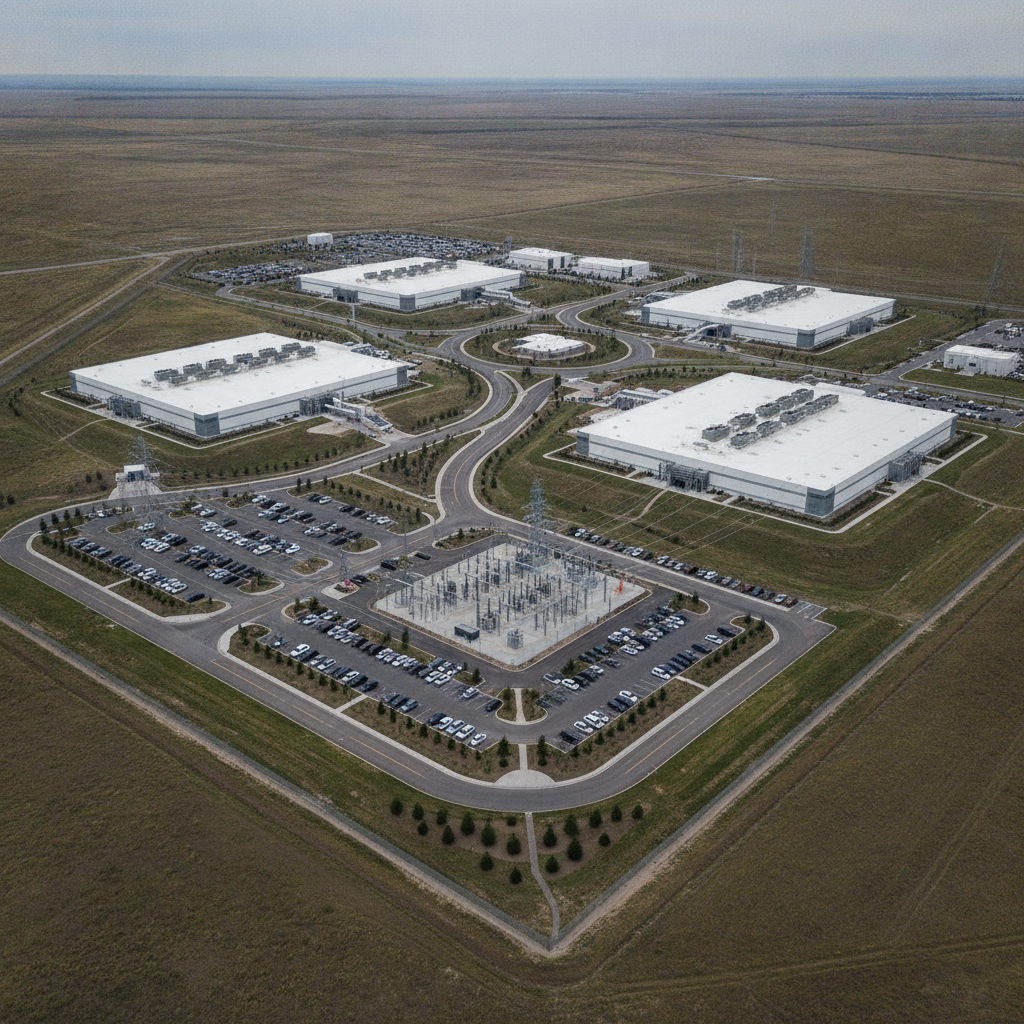
Key Elements of Data Center Campus Planning
Data Center Campus Planning Requirements
| Requirement | Consideration | Impact |
|---|---|---|
| Site Selection | Proximity to power and fiber networks | Ensures reliable connectivity and power supply |
| Infrastructure Design | Power, cooling, and connectivity | Supports operational efficiency |
| Stormwater Management | Flood prevention and compliance | Protects infrastructure and environment |
| Zoning Compliance | Adherence to local regulations | Avoids legal and operational issues |
| Utility Coordination | Power and cooling systems | Ensures uninterrupted operations |
Successful data center campus planning requires a thorough understanding of the site’s physical characteristics and the operational requirements of the facility. Key elements include: Site Selection: Choosing a location that meets the technical and logistical needs of the data center, including proximity to power sources and fiber optic networks. Infrastructure Design: Developing a robust infrastructure that supports the data center’s power, cooling, and connectivity requirements. Stormwater Management: Implementing effective stormwater management strategies to prevent flooding and ensure environmental compliance. Zoning Compliance: Navigating zoning regulations to ensure the data center campus is compliant with local land use policies.
Additional Context
Site Design and Layout Optimization
The site design and layout of a data center campus are critical to its operational efficiency. Key considerations include: Building Placement: Strategically positioning buildings to optimize space utilization and minimize energy consumption. Internal Roadways: Designing internal roadways to facilitate efficient movement of goods and personnel. Utility Corridors: Planning utility corridors to ensure easy access for maintenance and future upgrades.
Utility Coordination and Infrastructure Development
Utility coordination is a vital aspect of data center campus planning. It involves: Power Supply: Ensuring a reliable power supply through coordination with utility providers and incorporating backup power systems. Cooling Systems: Designing efficient cooling systems to maintain optimal operating temperatures for data center equipment. Fiber Optic Connectivity: Establishing high-speed fiber optic connections to support data transmission needs.
Data Center Campus Planning Requirements
Requirement Consideration Impact Site Selection Proximity to power and fiber networks Ensures reliable connectivity and power supply Infrastructure Design Power, cooling, and connectivity Supports operational efficiency Stormwater Management Flood prevention and compliance Protects infrastructure and environment Zoning Compliance Adherence to local regulations Avoids legal and operational issues Utility Coordination Power and cooling systems Ensures uninterrupted operations
Process: How RSP Engineers Approach Data Center Planning
At RSP Engineers, our Professional Engineering Team employs a systematic approach to data center campus planning. We begin with a comprehensive site analysis, followed by detailed site design and utility coordination. Our team ensures that all aspects of the project comply with relevant regulations and standards, providing Engineering Solutions that meet the unique needs of each client.
Common Issues in Data Center Campus Planning
Data center campus planning can present several challenges, including: Regulatory Compliance: Navigating complex zoning and environmental regulations. Infrastructure Limitations: Addressing constraints related to power and cooling systems. Scalability: Designing for future expansion without compromising current operations.
Contact RSP Engineers
For expert guidance on data center campus master planning, contact RSP Engineers. Our Experienced Civil Engineers provide comprehensive site development and utility coordination services to ensure your project is a success.
Conclusion
Data center campus master planning is a complex process that requires careful consideration of site design, utility coordination, and infrastructure development. By addressing these key elements, Civil Engineering Experts can create efficient, scalable, and sustainable data center campuses that meet the demands of modern technology.
Related Articles
FAQs
Future Expansion Planning for Data Centers Optimizing Data Center Site Layout Stormwater Management in Data Center Development
-
Key considerations include proximity to power sources, fiber optic networks, and compliance with zoning regulations.
-
Utility coordination ensures reliable power and cooling, which are critical for maintaining data center operations.
-
Effective stormwater management prevents flooding and ensures compliance with environmental regulations.