
What Is a Build-to Line and Why It Matters in Florida Land Development
A deep dive into build-to lines (BTLs) for Florida developers. Learn how BTLs impact civil engineering, stormwater management, utility coordination, and permitting.
Defining the Build-to Line vs. Traditional Setbacks
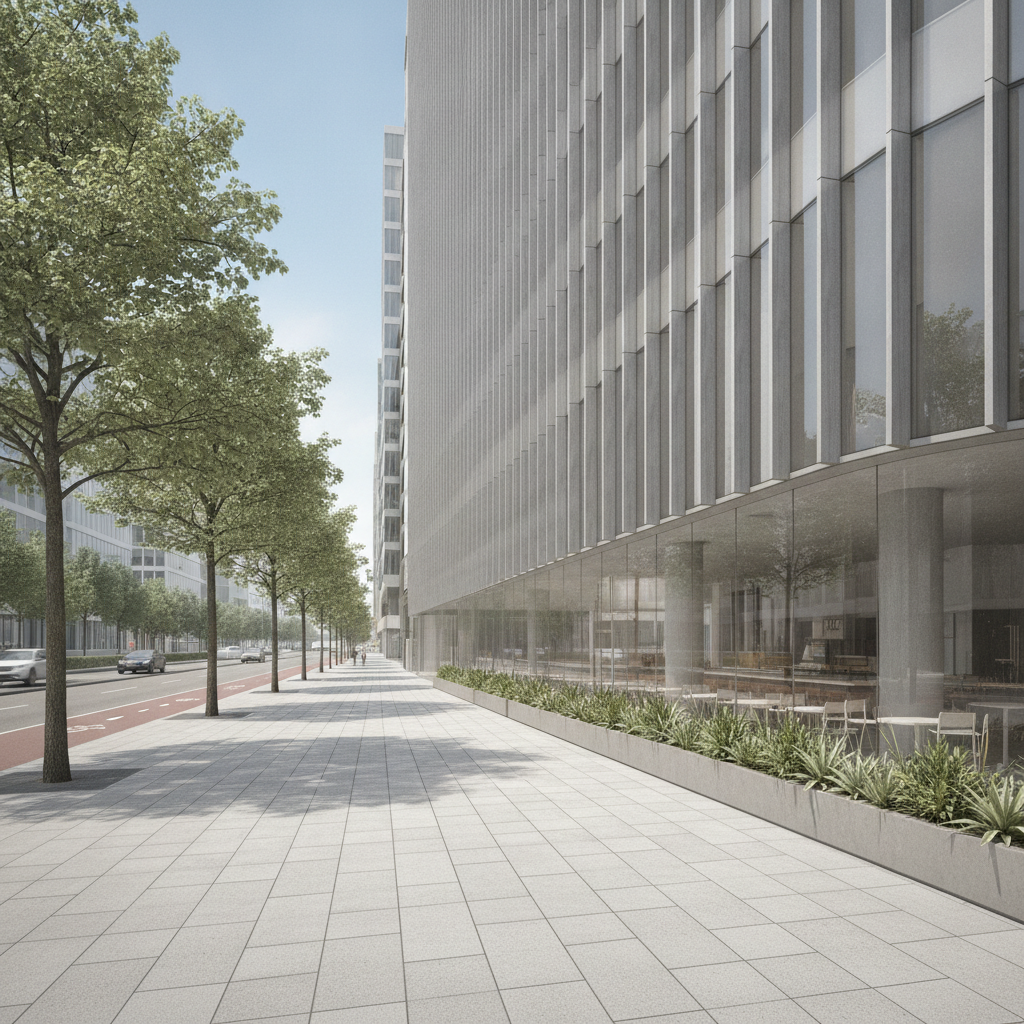
The fundamental difference between a setback and a build-to line lies in their planning objectives. A traditional setback is a tool of separation, creating a buffer between buildings and the street or adjacent properties. This approach is characteristic of suburban development, prioritizing privacy and open space. The BTL, in contrast, is a tool of urbanism and cohesion. It requires the building to engage directly with the public realm, creating a consistent street wall that frames the pedestrian experience. This is a core tenet of form-based codes, which prioritize the physical form and character of a development over strict use separation. For a civil engineering firm near me, the distinction is critical. A setback offers flexibility; as long as you are behind the line, the exact placement is variable. A build-to line removes that flexibility, fixing the building’s location. This immediately constrains the entire site plan design, forcing engineers to solve complex logistical puzzles related to grading, utilities, and accessibility within a much more rigid framework. Achieving zoning compliance with a BTL requires a shift in thinking from ‘how far back?’ to ‘precisely where?’
The Role of Build-to Lines in Florida’s Form-Based Codes
Build-to Line vs. Setback Line: Key Design Constraints
| Feature | Conventional Setback Approach | Build-to Line Approach |
|---|---|---|
| Building Placement | Flexible; building can be placed anywhere behind the setback line. | Rigid; a specified percentage of the facade must be built directly on the BTL. |
| Utility Location | Often placed in the front yard setback area (e.g., transformers, backflow preventers). | Requires creative placement in side yards, alleys, or integrated into building architecture. |
| Stormwater Design | Frequently uses surface ponds or swales in open front or side yards. | Forces use of underground vaults, exfiltration systems, or pervious pavement. |
| Pedestrian Experience | Separated from the building by a lawn or parking lot, often creating a disconnected feel. | Directly engages the building with the sidewalk, creating an active and defined streetscape. |
| ADA Compliance | Longer, more flexible routes from sidewalk to entrance are possible. | Requires meticulous grading and design to achieve compliant slopes in a constrained space. |
| Permitting Focus | Emphasis on meeting minimum distance requirements and buffer standards. | Intense scrutiny on facade alignment, encroachments, and public realm integration. |
Many Florida municipalities, from Miami and Coral Gables to St. Petersburg and Orlando, have adopted form-based codes or similar urban design standards to foster more walkable, vibrant, and mixed-use environments. The build-to line is a cornerstone of these regulations. By mandating that buildings are constructed up to the sidewalk, these codes aim to activate the streetscape, encourage pedestrian traffic, and create a more defined, city-like feel. This is a deliberate move away from auto-centric design where large parking lots dominate the frontage. These codes specify not only the location of the BTL but often the percentage of the building facade that must occupy it (e.g., 70% of the frontage). This ensures a continuous urban edge, preventing gaps that disrupt the pedestrian experience. For developers, this means the land development process is no longer just about meeting density and use requirements; it’s about contributing to a prescribed urban form. This requires early collaboration between the architect and the civil engineer to ensure the desired building footprint is feasible from an infrastructure and regulatory standpoint.
Civil Engineering Implications of a Strict Build-to Line
A build-to line introduces significant technical challenges that ripple through the entire site engineering services scope. With the building’s location fixed at the front of the property, the space available for critical infrastructure shrinks dramatically. One of the most immediate challenges is utility coordination. Transformers, backflow preventers, water meters, and utility vaults, which are often placed in front-yard landscape buffers in traditional designs, now have no obvious home. They must be relocated to side yards, alleys, or integrated into the building’s architecture, requiring extensive negotiation with utility providers. Furthermore, drainage design becomes substantially more complex. Surface grading must be meticulously planned to prevent water from pooling at the building entrance while ensuring a smooth transition from the public sidewalk. This is directly tied to ADA compliance, as accessible routes from the right-of-way to the building entrance must be maintained with compliant slopes, free of obstructions. Every element, from roof drains to trench drains, must be designed within the tight constraints imposed by the BTL, demanding a higher level of precision in the site plan design.
Stormwater Management Challenges with Build-to Line Requirements
Perhaps the most significant engineering hurdle created by build-to lines is stormwater management. Florida’s stringent environmental regulations require all development projects to treat and retain stormwater runoff on-site. In a conventional suburban layout, this is often achieved with surface retention or detention ponds located in open areas. With a BTL pushing the building to the property edge, this valuable real estate is eliminated. The front yard, a common location for a small pond or swale, simply doesn’t exist. This constraint forces engineers to design more sophisticated and often more expensive solutions. Underground systems, such as exfiltration trenches or large-scale vaults, become the default option for stormwater storage and treatment. Other strategies include the use of pervious pavement in rear parking lots, rainwater harvesting cisterns, or green roofs. These alternatives require more detailed hydrologic modeling and a more complex permitting process with water management districts and local governments. The choice of system has major cost and construction implications, making it a critical decision early in the site development process.
Navigating Permitting and Agency Review for BTL Projects
Projects subject to build-to lines undergo intense scrutiny during the permitting process. Permit submittals must clearly demonstrate adherence not only to the BTL itself but to all associated regulations governing the facade and public realm. Local planning and zoning departments will meticulously review architectural elevations in conjunction with the civil drawings to ensure compliance. Public works departments will focus on sidewalk continuity, utility placement, and potential right-of-way conflicts. Common review comments from agencies often center on conflicts between the proposed building and existing infrastructure. For example, a street tree, utility pole, or fire hydrant located in the public right-of-way may conflict with the required building placement, necessitating variances or costly relocations. The agency review process is therefore more integrated, requiring the developer’s entire team—architect, landscape architect, and civil engineer—to present a unified and compliant design. A pre-application meeting is almost always essential to de-risk the project and align with agency expectations.
Architectural Encroachments and Allowable Deviations
While a build-to line sounds absolute, most form-based codes provide some degree of flexibility through allowable encroachments. These are architectural elements that are permitted to extend beyond the BTL into the public right-of-way or setback area. Common examples include awnings, canopies, balconies, bay windows, and stoops. These features are encouraged as they add visual interest and enhance the pedestrian environment. However, they are strictly regulated in terms of their dimensions and clearance heights. The code will specify the maximum depth an awning can project over a sidewalk or the height a balcony must be above the ground. This requires precise coordination between the architectural plans and the civil site plan. The civil engineer must ensure that these encroachments do not conflict with vertical utilities, street lighting, or ADA-required clear zones on the sidewalk. Misinterpreting these rules can lead to costly redesigns and permitting delays, highlighting the need for a design team experienced with the nuances of urban codes.
RSP Engineers’ Process for BTL Site Design
At RSP Engineers, we approach projects with build-to lines through a proactive and integrated methodology. Our process begins with a deep-dive analysis of the local jurisdiction’s form-based codes and zoning compliance requirements. We identify the exact BTL location, facade percentage requirements, and all allowable encroachment rules before the first line is drawn. This upfront due diligence prevents costly surprises and redesigns down the road. Our team works in lockstep with the project architect and landscape architect from the earliest conceptual phase. This ensures our site plan design for grading, drainage, and utilities supports the architectural vision and meets all regulatory constraints. We initiate utility coordination with local providers immediately to identify potential conflicts and reserve the necessary space for infrastructure. By modeling various stormwater management scenarios early, we provide clients with clear cost and spatial implications, allowing them to make informed decisions. Our detailed permit submittals include clear exhibits that explicitly demonstrate BTL compliance, streamlining the agency review process.
Common Issues and Pitfalls with Build-to Lines
Despite their positive urban design goals, build-to lines present several common pitfalls for development teams. A primary issue is underestimating the complexity of utility coordination, leading to last-minute discoveries of conflicts with power, water, or communications lines that force major design changes. Another frequent problem is failing to account for grade changes between the existing sidewalk and the proposed finished floor elevation, which can create significant ADA compliance challenges for building entrances. Developers can also run into trouble by misinterpreting the code’s encroachment allowances, resulting in a design that is rejected by the zoning department. Furthermore, the higher cost and construction complexity of underground stormwater management systems are often not budgeted for appropriately at the project’s outset. Avoiding these pitfalls requires an experienced Professional Engineer who understands the practical implications of form-based codes and can anticipate these challenges before they become critical problems. Frequently Asked Questions (FAQ) What happens if an existing utility easement conflicts with a build-to line? This is a common issue. If a utility easement cannot be vacated or relocated, you will likely need to request a variance or administrative deviation from the build-to line requirement. This process requires demonstrating a practical hardship and often involves negotiations with both the utility provider and the local planning department. Proactive utility coordination is key to identifying these conflicts early. Can I get a variance for a build-to line requirement in Florida? Yes, variances are possible but are generally difficult to obtain. Municipalities that use BTLs do so to achieve a specific urban form and are often reluctant to grant exceptions. An applicant must typically prove that a unique and demonstrable hardship exists on the property that prevents compliance. The justification must be based on the physical constraints of the site, not economic preference. Strong documentation from your civil engineer is crucial for the application. How do build-to lines affect parking requirements? Build-to lines often work in conjunction with zoning codes that de-emphasize surface parking. By requiring the building to front the street, parking is typically pushed to the rear or side of the property, or placed in a parking garage. In many urban, transit-oriented districts, the same codes may also include reduced parking requirements to encourage walkability and use of public transit. The site plan design must carefully balance these competing needs. Does a BTL apply to the entire property or just the primary street frontage? Typically, the build-to line applies to the primary street frontage as designated by the zoning code. Corner lots may have BTL requirements on two frontages. Secondary frontages or rear property lines are usually governed by more traditional setback rules. A thorough review of the specific zoning district regulations is necessary to confirm the requirements for your parcel. How does a BTL impact fire department access? Fire access is a critical consideration. While the building is closer to the street, the design must still accommodate fire truck access, turning radii, and aerial apparatus placement. The civil engineering plans must show clear fire lanes, often at the side or rear of the building, and ensure that any architectural encroachments like awnings or balconies do not obstruct emergency operations. This is a key item reviewed during the permitting process.
Your Partner for Complex Urban Site Design
Navigating the complexities of a build-to line requires more than just a standard approach to site design. It demands a forward-thinking engineering partner who understands the intersection of urban planning, architecture, and infrastructure. At RSP Engineers, we specialize in the challenges of urban infill and form-based code projects. Our team provides expert guidance on zoning compliance, integrated site development, and proactive utility coordination to ensure your project is not only compliant but successful. From initial feasibility studies to final construction administration, we are equipped to handle the most demanding site constraints. Contact RSP Engineers to discuss how we can bring our expertise to your next Florida development project.
Conclusion
The build-to line is a powerful tool for shaping the future of Florida’s cities, but it represents a significant paradigm shift for land development. It replaces the flexibility of setbacks with a mandate for urban integration, creating a host of challenges for civil engineering and site design. Success in this environment hinges on a deep understanding of the intricate requirements for stormwater management, utility placement, and ADA compliance. By embracing an integrated design process and engaging experienced professionals early, developers can overcome these hurdles and create valuable projects that contribute positively to the urban fabric. Ultimately, mastering the build-to line is essential for navigating the modern permitting landscape in Florida.
FAQs
-
What Is a Build-to Line and Why It Matters in Florida Land Development requires careful planning, qualified engineering, and compliance with the applicable codes and permits.
-
Getting What Is a Build-to Line and Why It Matters in Florida Land Development right protects safety, supports regulatory compliance, and avoids costly redesigns or delays.
-
RSP Engineers provides licensed expertise and end-to-end support for What Is a Build-to Line and Why It Matters in Florida Land Development, from early planning through permitting.