
What Architects Should Know About Civil Site Constraints
Explore how civil site constraints like zoning, stormwater management, and utility easements impact architectural design in Florida. Learn why early coordination with civil engineers is crucial.
Zoning and Setbacks: Defining the Building Envelope
Zoning regulations and setbacks are fundamental constraints that dictate where a building can be placed on a site. These regulations are designed to ensure that developments are compatible with their surroundings and adhere to community standards. In Florida, zoning can vary significantly between municipalities, affecting everything from building height to land use. Setbacks, which are the required distances between a building and the property lines, further refine the building envelope. Architects must account for these constraints early in the design process to avoid encroaching on restricted areas, which could lead to permit denials or costly redesigns.
Stormwater Management and Drainage Design
Comparison of Key Site Constraints and Their Impact on Design
| Site Constraint | Impact on Design | Mitigation Strategies |
|---|---|---|
| Zoning and Setbacks | Limits building placement and size | Early zoning analysis and flexible design |
| Stormwater Management | Requires space for detention/retention | Integrate systems into landscape design |
| Utility Easements | Restricts building locations | Coordinate with utility providers |
| Site Access | Influences layout and circulation | Conduct traffic studies and design safe access points |
| Grading and Topography | Affects drainage and foundation design | Develop comprehensive grading plans |
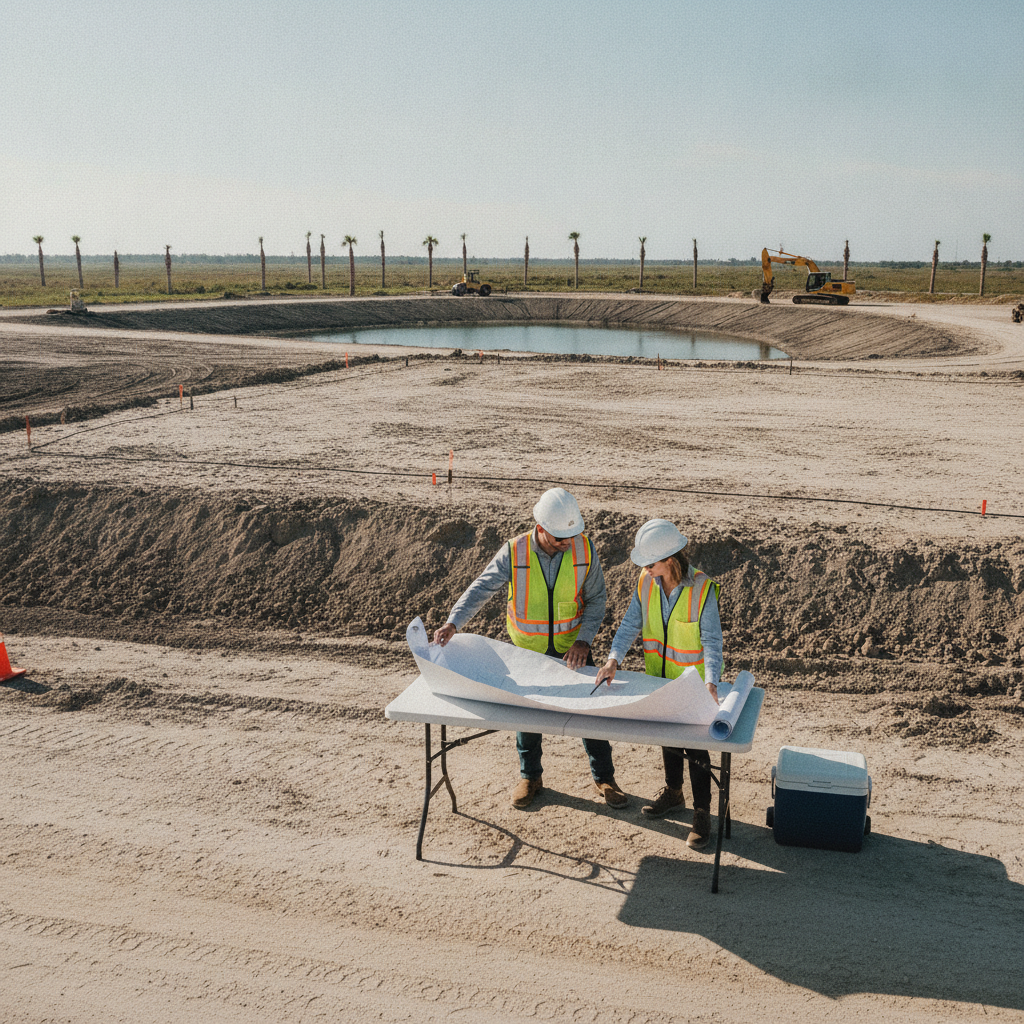
Effective stormwater management is critical in Florida due to the state’s frequent heavy rains. Architects must work closely with drainage engineers to design systems that manage runoff and prevent flooding. This often involves incorporating detention or retention areas into the site plan, which can limit the available space for building footprints. Understanding the requirements for stormwater detention and retention can help architects design buildings that integrate seamlessly with these essential systems, ensuring compliance with local and state regulations.
Utility Availability and Easements
The availability of utilities such as water, sewer, and electricity is a critical consideration in site planning. Utility easements are areas designated for the installation and maintenance of these services, and they can significantly impact the layout of a site. Architects must be aware of existing easements and coordinate with utility providers to ensure that their designs do not interfere with essential infrastructure. This coordination can prevent delays and additional costs during the construction phase.
Site Access and Traffic Considerations
Site access is a crucial factor in the design of any development. Architects must consider how vehicles and pedestrians will enter and exit the site, as well as the impact of traffic on the surrounding area. This involves working with civil engineers to design access points that are safe and compliant with local traffic regulations. Traffic studies may be required to assess the impact of a development on existing roadways, and these studies can influence the design of access points and internal circulation patterns.
Grading and Topography: Shaping the Landscape
The natural topography of a site can present both opportunities and challenges for architects. Grading involves altering the landscape to create a level building pad, manage stormwater, and ensure proper drainage. In Florida, where the water table is often high, careful consideration of grading is essential to prevent water intrusion and structural issues. Architects must collaborate with civil engineers to develop grading plans that balance aesthetic goals with functional requirements, ensuring that the site is both visually appealing and technically sound.
Soils, Water Table, and Environmental Considerations
The composition of the soil and the level of the water table are critical factors in determining the feasibility of a site for development. Soil testing can reveal issues such as poor load-bearing capacity or high moisture content, which can affect foundation design and construction methods. Environmental considerations, including the presence of wetlands or flood zones, can further constrain development options. Architects must be aware of these factors and work with environmental consultants to ensure compliance with all relevant regulations.
RSP Engineers’ Approach to Civil Site Constraints
At RSP Engineers, we understand the complexities of site development in Florida. Our team of experienced civil engineers works closely with architects from the earliest stages of a project to identify and address potential site constraints. By conducting thorough site analyses and collaborating on design solutions, we help ensure that projects are both feasible and compliant with all relevant regulations. Our approach includes detailed assessments of zoning, stormwater management, utility coordination, and environmental considerations, providing architects with the information they need to make informed design decisions.
Common Issues in Navigating Site Constraints
One of the most common issues architects face is underestimating the impact of site constraints on their designs. Failing to account for factors such as stormwater management or utility easements can lead to significant delays and increased costs. Another frequent challenge is the lack of early coordination between architects and civil engineers. Without this collaboration, projects may require substantial redesigns to meet compliance standards, resulting in wasted time and resources.
Contact RSP Engineers
For architects navigating the complexities of civil site constraints, RSP Engineers offers expert guidance and support. Our team specializes in stormwater management, utility coordination, and comprehensive site analysis to ensure your projects are successful from the ground up. Contact us today to learn how we can assist with your next development.
Conclusion
Understanding and addressing civil site constraints is essential for architects working in Florida. By collaborating with civil engineers early in the design process, architects can create designs that are both innovative and compliant, avoiding costly delays and redesigns. RSP Engineers is committed to supporting architects in navigating these challenges, ensuring successful project outcomes.
FAQs
-
Zoning regulations determine the allowable uses, building heights, and setbacks for a property, which can significantly influence the design and layout of a building.
-
Stormwater management is crucial for preventing flooding and ensuring compliance with environmental regulations. It often requires dedicated space for detention or retention systems.
-
Utility easements restrict where buildings can be placed on a site, as they must remain clear for the installation and maintenance of essential services.