
Wet Season Design Considerations in South Florida
Explore how South Florida’s wet season impacts site design, permitting, construction scheduling, and stormwater management. Learn about regulatory expectations and practical strategies for developers
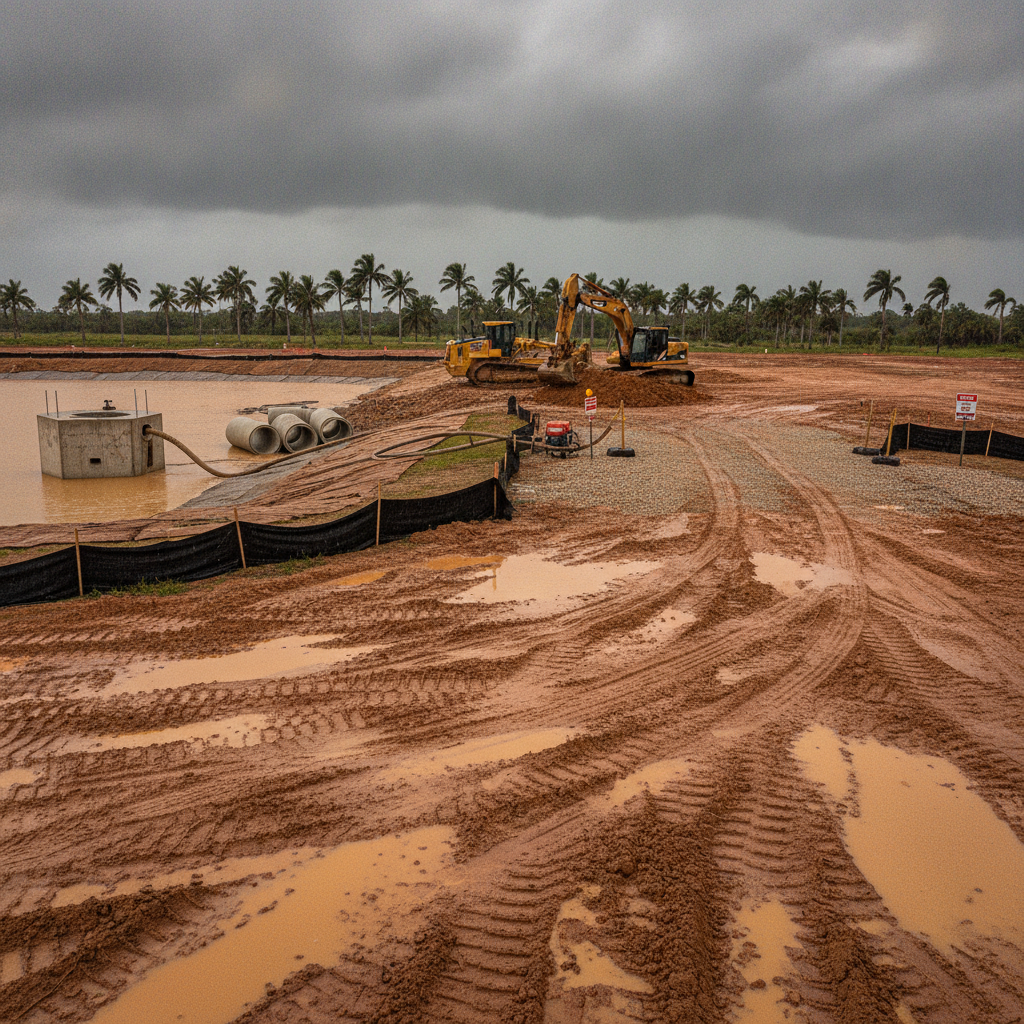
Understanding South Florida’s Rainfall Patterns
South Florida experiences a distinct wet season from May to October, characterized by frequent and intense rainfall. This period can significantly impact site development and requires careful planning to mitigate risks. Understanding local rainfall patterns is crucial for designing effective stormwater management systems that can handle increased water volumes.
Impact on Site Design and Permitting
Dry Season vs. Wet Season Design and Construction Considerations
| Aspect | Dry Season | Wet Season |
|---|---|---|
| Rainfall Impact | Minimal | High |
| Construction Scheduling | Flexible | Weather-dependent |
| Erosion Control | Standard Measures | Enhanced Measures |
| Permitting Requirements | Standard | Stricter |
| Stormwater Management | Standard Capacity | Increased Capacity |
The wet season necessitates adjustments in site design to accommodate higher water levels and potential flooding. Permitting processes may also be affected, as agencies like the South Florida Water Management District (SFWMD) impose stricter requirements to ensure flood protection and water quality. Engineers must consider these factors when preparing permit submittals and designing drainage systems.
Construction Scheduling and Risk Management
Construction during the wet season requires strategic scheduling to minimize delays and manage risks. Heavy rains can disrupt activities, leading to potential project overruns. Contractors must plan for weather-related interruptions and implement construction sequencing strategies that prioritize critical tasks during drier periods.
Erosion and Sediment Control Measures
Erosion and sediment control are vital during the wet season to prevent soil loss and protect water quality. Implementing measures such as silt fences, erosion-control blankets, and stabilized construction entrances can help manage runoff and reduce sedimentation in nearby water bodies.
Temporary Drainage Systems and Dewatering
Temporary drainage systems are essential for managing water on construction sites during the wet season. Dewatering may also be necessary to maintain dry working conditions. Engineers must design these systems to handle large volumes of water and comply with regulatory standards.
Stormwater Pond Performance and Flood Protection
Stormwater ponds play a critical role in managing runoff during the wet season. Proper design and maintenance ensure these systems function effectively, providing necessary flood protection and water quality benefits. Engineers must consider factors such as pond capacity, outlet structures, and maintenance requirements.
Regulatory Expectations and Compliance
Regulatory agencies in South Florida, including the SFWMD and local municipalities, have specific expectations for wet season projects. Compliance with these regulations is essential to avoid penalties and ensure project success. Engineers must stay informed of current requirements and incorporate them into project plans.
RSP Engineers’ Approach to Wet Season Projects
At RSP Engineers, we understand the complexities of managing projects during South Florida’s wet season. Our team of Florida Licensed Engineers employs advanced planning and design techniques to address the unique challenges posed by heavy rainfall and regulatory requirements. We work closely with clients to develop customized solutions that ensure compliance and project success.
Common Issues in Wet Season Construction
Common issues during wet season construction include weather-related delays, increased erosion, and challenges in maintaining site access. Addressing these issues requires proactive planning, effective communication, and the implementation of robust stormwater management and erosion control measures.
Contact RSP Engineers
For expert guidance on managing your South Florida project during the wet season, contact RSP Engineers. Our team specializes in stormwater management, site design, and permitting to ensure your project’s success. Reach out to us today to discuss your specific needs and how we can assist you.
Conclusion
Successfully navigating South Florida’s wet season requires a comprehensive understanding of stormwater management, site design, and permitting requirements. By implementing strategic planning and design measures, developers and engineers can mitigate risks and achieve project goals. RSP Engineers is here to support you with expert solutions tailored to the unique challenges of the wet season.
FAQs
-
The wet season can extend permitting timelines due to stricter regulatory requirements and potential delays in agency reviews. It’s crucial to account for these factors in project planning.
-
Best practices include using silt fences, erosion-control blankets, and stabilized construction entrances to manage runoff and prevent sedimentation.
-
Construction schedules should prioritize critical tasks during drier periods and include contingency plans for weather-related delays.