
Preparing a Construction Pollution Prevention Plan for Data Centers
A guide for data center developers on preparing a Construction Stormwater Pollution Prevention Plan (SWPPP). Learn about site assessment, BMP selection, inspections, and achieving NPDES compliance wit
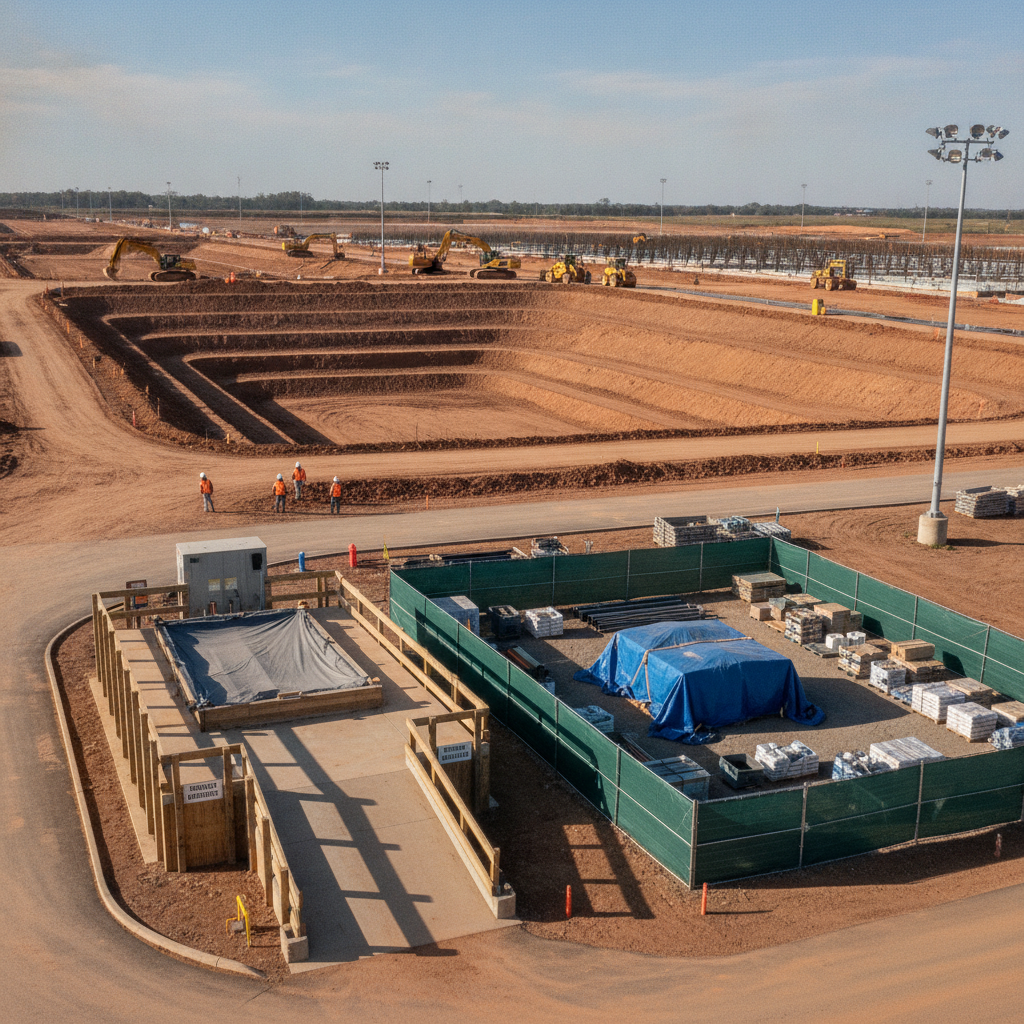
The Regulatory Framework: NPDES and the Construction General Permit
The primary driver for construction stormwater management in the United States is the federal Clean Water Act, which established the National Pollutant Discharge Elimination System (NPDES) permit program. The program is administered at the federal level by the Environmental Protection Agency (EPA) and, in most cases, delegated to state environmental agencies. Construction activities that disturb one or more acres of land are typically required to obtain coverage under an NPDES Construction General Permit (CGP). Obtaining this coverage requires the development and implementation of a site-specific SWPPP. The SWPPP is a living document that identifies potential sources of pollution and details the specific Best Management Practices (BMPs) that will be used to control them. It serves as the operational guide for everyone on site, from the general contractor to subcontractors, ensuring all parties understand their compliance responsibilities. Permitting requirements vary by jurisdiction, and every project team should confirm the applicable standards with the local, state, regional, and federal authorities that hold review authority over the site. A qualified civil engineering consultant is essential for navigating these complex regulations and preparing a compliant and effective plan.
Core SWPPP Element: Comprehensive Site Description and Drainage Mapping
SWPPP Compliance Checklist for Data Center Construction
| Component | Key Requirement | Common Compliance Pitfall |
|---|---|---|
| Erosion Controls | Stabilize disturbed areas (seeding, mulching, blankets) promptly. Preserve existing vegetation where possible. | Leaving large graded areas unstabilized for extended periods, leading to significant erosion during rain events. |
| Sediment Controls | Install and maintain perimeter controls (silt fence), inlet protection, and sediment basins as per design. | Improperly installed silt fence (e.g., not trenched) or failure to clean out sediment traps, rendering them ineffective. |
| Pollutant Source Controls | Designate and maintain specific areas for concrete washout, fuel storage, and material stockpiles with proper containment. | Allowing concrete washout in uncontained areas or failing to cover chemical containers, leading to direct pollution. |
| Inspections & Maintenance | Conduct inspections at required frequency (e.g., weekly and post-storm) by a qualified person. Perform and document BMP maintenance immediately. | Missing inspections after rainfall events or failing to repair a damaged silt fence in a timely manner. |
| Recordkeeping | Maintain all records on-site: the SWPPP, amendments, inspection reports, rainfall data, and corrective action logs. | Incomplete or missing inspection reports, which is often cited as a primary violation during a regulatory audit. |
| Permit Termination | Ensure final stabilization criteria (e.g., 70% vegetative cover) are met before submitting a Notice of Termination (NOT). | Terminating permit coverage prematurely before the site is fully and permanently stabilized, risking post-construction erosion. |
A foundational component of any effective SWPPP is a detailed description of the construction site and its activities. This narrative must be supported by clear, accurate site maps. For a data center project, this includes identifying the total project area, the specific acreage to be disturbed, and a detailed construction sequence and timeline. The plan must describe the nature of the construction activity, including major phases like clearing, grading, foundation work, utility installation, and final stabilization. This section establishes the context for all subsequent erosion and sediment control measures. Equally important is the documentation of site hydrology. The SWPPP must identify all surface waters, such as streams, wetlands, or lakes, that could receive stormwater discharges from the site. It requires a thorough description of existing soil types and ground cover. Crucially, detailed drainage design maps must show drainage patterns, slopes, areas of soil disturbance, and the precise locations of all discharge points. These maps are not static; they must be updated as the site evolves through different construction phases to ensure the stormwater management plan remains relevant and effective.
Selecting and Sequencing Best Management Practices (BMPs)
Best Management Practices (BMPs) are the structural and operational measures implemented on-site to prevent pollution. They are generally categorized into two types. First are erosion controls, which are proactive measures designed to prevent soil detachment in the first place. Examples include preserving existing vegetation, applying temporary or permanent seeding, and using erosion control blankets on slopes. For the vast, graded pads typical of data center sites, stabilizing disturbed areas as quickly as possible is a primary goal. The second category is sediment controls, which are reactive measures designed to capture sediment after it has been mobilized by stormwater runoff. Common examples include silt fences, inlet protection around storm drains, check dams in swales, and construction of temporary sediment basins or traps. The SWPPP must detail the specific BMPs chosen for the site, provide design specifications, and outline a logical installation sequence. For instance, perimeter controls like silt fences must be installed before any major grading begins, a critical step in effective site development.
Pollution Prevention for Construction Materials and Waste
A comprehensive SWPPP addresses more than just sediment. Data center construction sites contain numerous other potential pollutants that must be managed. The plan must outline specific procedures for the handling and storage of construction materials, chemicals, fuels, and lubricants to prevent spills and leaks. This includes designating specific areas for vehicle maintenance and refueling with appropriate secondary containment. A key focus for data centers is concrete washout management, as the high volume of concrete work can generate significant amounts of highly alkaline washout water, which is toxic to aquatic life. The SWPPP must specify a dedicated, leak-proof concrete washout facility located away from storm drains and surface waters. Similarly, the plan must detail procedures for managing construction debris, sanitary waste, and other potential pollutants. Proper pollution prevention measures are a hallmark of a well-managed construction site and are heavily scrutinized during regulatory inspections. Effective management in this area is crucial for maintaining zoning compliance and avoiding violations.
Inspection Schedules, Rainfall Triggers, and Recordkeeping
A SWPPP is not a file-and-forget document; it requires active implementation and diligent oversight. A critical component of the plan is a detailed inspection schedule. Federal and state CGPs typically require inspections to be conducted by a qualified person at set intervals (e.g., at least once every 7 or 14 calendar days) and within 24 hours of a specified rainfall event (e.g., 0.25 or 0.5 inches). These inspections assess the performance of all BMPs, identify any necessary maintenance, and document site conditions. The inspector must check for evidence of erosion, verify the integrity of sediment controls, and ensure pollution prevention measures are being followed. Thorough recordkeeping is the backbone of NPDES compliance. Every inspection must be documented in a report that includes the inspection date, weather conditions, a summary of findings, locations of any deficiencies, and required corrective actions. These records, along with the SWPPP itself, rainfall data, and any plan modifications, must be maintained on-site and be available for review by regulatory inspectors. This documentation provides the legal proof of compliance and is the first thing an inspector will ask to see.
Defining Operator Roles and Responsibilities
Under the NPDES program, the term “operator” refers to the party or parties with day-to-day operational control over construction activities and the responsibility to ensure compliance with the permit. This is typically the property owner or developer, but can also include the general contractor. The SWPPP must clearly identify all operators and outline their specific responsibilities. This ensures clear lines of authority and accountability for implementing the plan. A successful SWPPP requires a team effort, and the plan should specify who is responsible for BMP installation, maintenance, inspections, and recordkeeping. Furthermore, the SWPPP should include provisions for training site personnel. All contractors and subcontractors working on the project must be made aware of the SWPPP’s requirements, particularly regarding material storage, waste disposal, and spill response. The individuals performing the formal site inspections often need to meet specific qualification or certification requirements, which should be documented in the plan. This structured approach to roles and training is essential for the successful construction administration of the SWPPP.
How RSP Engineers Develops and Manages Your SWPPP
At RSP Engineers, our approach to SWPPP development is proactive and comprehensive, tailored to the unique demands of data center construction. Our process begins with a thorough site development assessment to understand drainage patterns, soil types, and receiving waters. We then design a customized plan that selects the most effective and efficient BMPs for your project, ensuring both regulatory compliance and operational practicality. As one of the leading Civil Engineering firms, we understand the importance of a plan that works on the ground. Our services extend beyond initial plan creation. We manage the preparation and filing of the Notice of Intent (NOI) to gain coverage under the appropriate CGP. During construction, our qualified professionals can conduct the required site inspections, provide detailed reports, and manage all necessary recordkeeping to ensure you remain in compliance. We facilitate communication between the owner, contractor, and regulators, and when the project is complete and the site is fully stabilized, we manage the Notice of Termination (NOT) process to formally close out the permit. Our goal is to make stormwater management a seamless part of your construction process.
Common SWPPP Challenges on Data Center Sites
Data center projects present unique challenges for SWPPP implementation. The sheer scale of earthwork means that vast areas are disturbed simultaneously, requiring a robust and well-phased BMP strategy. Phased construction, where different parts of the site are at different stages of development, complicates drainage design and requires the SWPPP to be a dynamic document that is constantly updated. Coordinating compliance across numerous subcontractors, each with their own tasks, can be difficult without a strong, centralized management approach led by the general contractor and owner’s representative. Another common issue is the intense pace of construction, which can lead to BMPs being damaged or overlooked. Heavy vehicle traffic can quickly degrade silt fences and track sediment onto public roads, requiring diligent maintenance of construction entrances. Finally, underestimating the importance of administrative compliance—such as missed inspections or incomplete paperwork—can lead to significant penalties, even if the on-the-ground BMPs are functioning perfectly. Proactive management by an experienced civil engineering team is the best defense against these common pitfalls. Frequently Asked Questions (FAQs) What is a SWPPP and why is it required for my data center project? A Stormwater Pollution Prevention Plan (SWPPP) is a site-specific document required under the NPDES permit program for construction projects disturbing one acre or more. It details how you will control erosion, sediment, and other pollutants. For a data center, with its large footprint, a SWPPP is mandatory for environmental compliance and to avoid significant fines and project delays. Who is considered the “operator” responsible for SWPPP compliance? The “operator” is the entity with primary operational control over construction plans and specifications and/or day-to-day supervision of site activities. This is often the data center owner/developer, but can also be the general contractor. All designated operators share legal responsibility for permit submittals and compliance. How often do SWPPP inspections need to be performed? Inspection frequency is dictated by the governing Construction General Permit. A common requirement is once every 7 or 14 days, and also within 24 hours of a significant rainfall event (e.g., 0.5 inches). These inspections must be performed by a qualified individual and fully documented to maintain NPDES compliance. What happens if a regulatory agency finds my site non-compliant? Non-compliance can result in serious consequences, including verbal warnings, written notices of violation, stop-work orders, and substantial monetary fines that can accrue daily. Regulators can also require costly and time-consuming corrective actions. A proactive approach to stormwater management is the best way to avoid these outcomes. Can the SWPPP be modified after construction starts? Absolutely. The SWPPP is intended to be a living document. It must be amended whenever there is a change in design, construction scope, or site conditions that could affect stormwater discharges. It should also be updated if inspections reveal that BMPs are ineffective. All modifications must be documented and kept with the on-site copy of the plan.
Partner with RSP Engineers for Data Center SWPPP Compliance
Navigating the complexities of construction stormwater regulations for a mission-critical facility requires specialized expertise. The team at RSP Engineers provides comprehensive site engineering services to guide your data center project from initial planning through final stabilization. We specialize in creating practical, compliant SWPPPs that protect your investment and the environment. Our expertise in site development, stormwater management, and regulatory permit submittals ensures your project stays on schedule and in compliance. Contact us today to discuss how we can support your next data center development.
Conclusion: Proactive SWPPP Management is Mission-Critical
For data center developers, a Stormwater Pollution Prevention Plan is more than a regulatory requirement; it is an essential component of risk management and successful project execution. A well-developed and diligently implemented SWPPP protects water resources, prevents costly fines and delays, and enhances a project’s reputation. By partnering with an experienced civil engineering firm, you can ensure your project meets all NPDES compliance standards and that your construction administration processes are built on a foundation of environmental stewardship and regulatory certainty.
FAQs
-
Preparing a Construction Pollution Prevention Plan for Data Centers requires careful planning, qualified engineering, and compliance with the applicable codes and permits.
-
Getting Preparing a Construction Pollution Prevention Plan for Data Centers right protects safety, supports regulatory compliance, and avoids costly redesigns or delays.
-
RSP Engineers provides licensed expertise and end-to-end support for Preparing a Construction Pollution Prevention Plan for Data Centers, from early planning through permitting.