
Navigating Fire Department Site Access Guidelines in Florida
A guide for developers on Florida’s fire department site access requirements, including road widths, turning radii, hydrant spacing, and permitting. Learn how civil engineering ensures compliance.
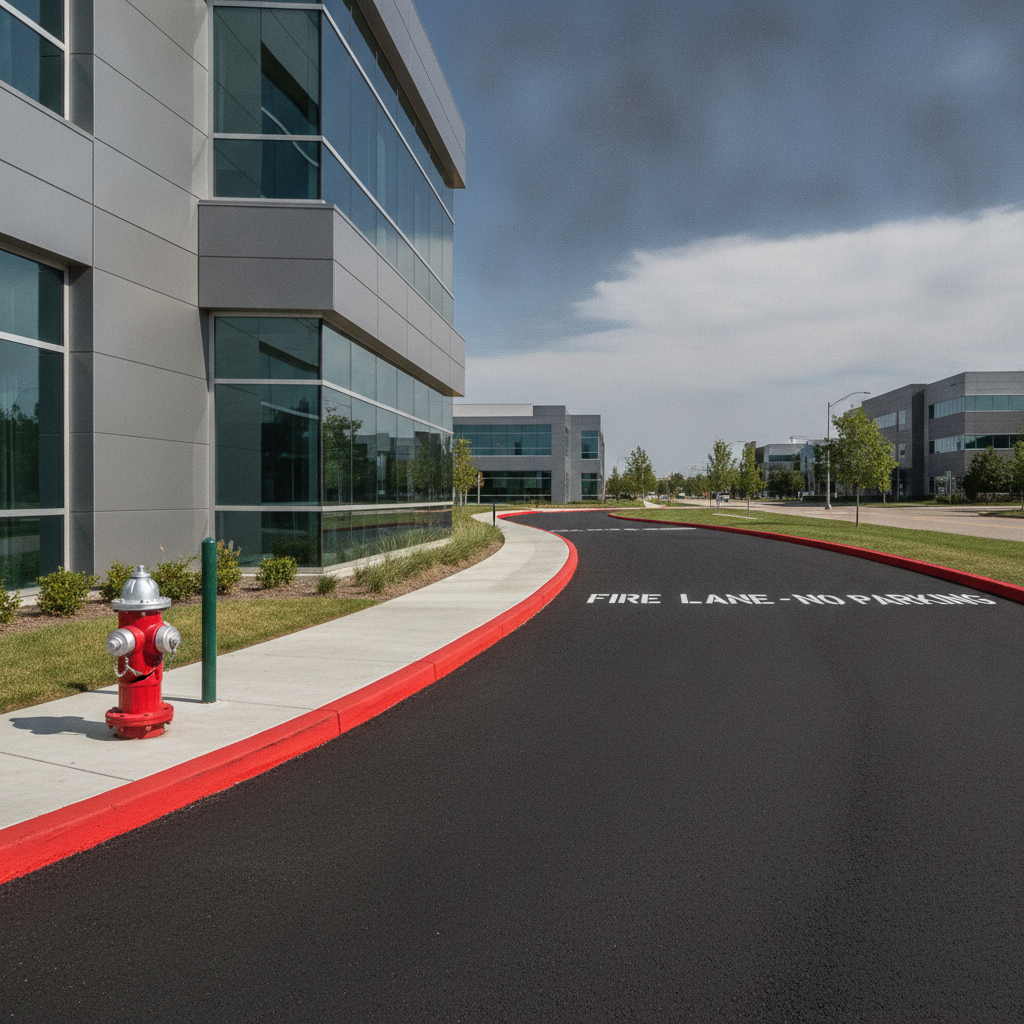
Core Regulatory Framework: NFPA 1 and the Florida Fire Prevention Code
The primary document governing fire safety in Florida is the Florida Fire Prevention Code (FFPC), which is updated every three years. The FFPC adopts, by reference, the National Fire Protection Association’s code, NFPA 1, Fire Code. This makes NFPA 1 the foundational standard for fire apparatus access roads, water supplies, and hydrant placement across the state. However, it’s crucial to understand that this is only the starting point. Local municipalities and fire districts often have their own amendments that can be more stringent than the state-level requirements. This layered regulatory environment means that successful zoning compliance and site plan approval depend on early and thorough research into the specific requirements of the Authority Having Jurisdiction (AHJ), which is typically the local Fire Marshal or Fire Chief. The Fire Marshal’s office is a key stakeholder in the agency review process for any new development. A comprehensive permit submittal must demonstrate full compliance with both the FFPC and any local amendments, making expert guidance from a civil engineering firm near me essential.
Fire Apparatus Access Road Requirements
Comparison of Fire Access Design Parameters
| Feature | Typical Commercial Requirement (Retail Center) | Typical Multifamily Requirement (Apartment Complex) | Key Engineering Consideration |
|---|---|---|---|
| Access Road Width | 20 ft. minimum, often 24-26 ft. in high-traffic areas. | 20 ft. minimum, must remain clear of resident parking. | Verification of local amendments; modeling for overlapping vehicle and pedestrian traffic. |
| Dead-End Turnaround | Required for dead-ends > 150 ft. (e.g., 120-ft. Hammerhead or 96-ft. diameter cul-de-sac). | Required for dead-ends > 150 ft. Must be kept clear of parking and amenities. | Site geometry constraints; ensuring turnaround area is structurally adequate for apparatus weight. |
| Hydrant Spacing | Typically every 300 ft. along access roads. | Typically every 500 ft., ensuring full building coverage. | Requires hydraulic analysis and close utility coordination to confirm available fire flow. |
| Fire Lane Signage/Marking | Red curbs, pavement markings, and "NO PARKING - FIRE LANE" signs are mandatory. | Same as commercial; enforcement is critical in residential areas. | Signage and marking plans must be submitted and approved by the Fire Marshal. |
| Vertical Clearance | 13 ft. 6 in. minimum, 14 ft. preferred. | 13 ft. 6 in. minimum. Must account for architectural features and tree canopies. | Coordination with architects and landscape architects is essential to prevent future conflicts. |
| Surface Load Capacity | Designed for HS-20 loading or specific fire apparatus axle loads. | Same as commercial. Reinforced turf systems may be used in green spaces. | Requires a Geotechnical soil report to inform the pavement or structural section design. |
The fire apparatus access road is the backbone of emergency response on a site. Its design must accommodate the weight, width, and height of the largest fire vehicle the local department uses. Key design specifications typically include a minimum unobstructed width of 20 feet and a minimum vertical clearance of 13 feet 6 inches. This clearance must account for everything from building overhangs and canopies to tree limbs, which requires careful coordination between the site engineering services team and the landscape architect. The road’s surface must be an all-weather material capable of supporting the imposed loads of heavy fire apparatus, which can exceed 75,000 pounds. This often necessitates a specific pavement section or reinforced turf system, confirmed through Geotechnical Engineering analysis. Furthermore, the grade of the access road is critical; it generally cannot exceed 10%, as steeper slopes can hinder a fire truck’s ability to safely position itself for operations. These requirements are a core component of both site development and public safety.
Turning Radii and Apparatus Maneuverability
One of the most common reasons for Fire Marshal rejection of a site plan design is inadequate turning radii. A 20-foot-wide road is useless if a ladder truck cannot navigate the corners. Modern fire apparatus requires generous turning radii—often a minimum inside radius of 25-30 feet and an outside radius of 45-50 feet. These dimensions significantly impact the layout of parking islands, curb lines, landscaping, and utility infrastructure. Our Civil Engineers use specialized vehicle simulation software, such as AutoTURN, to model the path of the local fire department’s specific apparatus. This allows us to verify that all turns, intersections, and turnarounds are navigable without the vehicle having to jump curbs or strike obstacles. Proactively designing for these movements during the initial site development phase prevents costly rework and demonstrates due diligence during the agency review process. This level of detail is a hallmark of quality roadway engineering.
Fire Hydrant Location and Water Supply
Effective fire access is not just about physical roads; it’s also about providing an adequate and accessible water supply for firefighting operations. The FFPC and local ordinances dictate strict requirements for the location, spacing, and performance of fire hydrants. Spacing is often determined by the type of development, with hydrants typically required every 300 to 500 feet in commercial and multifamily projects to ensure any part of the building is within a reasonable hose-lay distance. A critical step in the design process is performing a fire flow test on the existing water main to confirm it can deliver the required gallons per minute (GPM) at the required residual pressure (psi). This process involves extensive utility coordination with the local water authority. If the existing system is inadequate, the project may require the upsizing of public water mains or the installation of an on-site fire pump, both of which have significant cost and permitting implications.
Fire Department Connections (FDCs) and Building Proximity
For buildings equipped with automatic sprinkler or standpipe systems, the Fire Department Connection (FDC) is a vital piece of infrastructure. The FDC allows firefighters to pump supplemental water into the building’s fire protection systems. The placement of the FDC is strictly regulated and is a key focus during the site plan design review. It must be located on the street side of the building, be fully visible, and remain unobstructed by landscaping, parking spaces, or other features. Furthermore, the FDC must be located within a specified distance of a fire hydrant, often 100 feet or less, to allow for a quick and efficient connection. The design must also ensure that a fire truck can park in a designated spot near the FDC without blocking the primary fire access road. This requires careful integration of building architecture, landscaping, and the overall site engineering services plan to ensure all elements work in harmony.
Integrating Fire Access with Stormwater and ADA Compliance
A significant challenge in modern site development is integrating fire access requirements with other critical design elements like stormwater management and ADA compliance. Fire lanes often traverse parking lots, run adjacent to buildings, or cross vegetated areas, all of which must be designed to meet multiple, sometimes conflicting, code requirements. For example, a fire lane designated in a parking area must have the structural capacity for a fire truck while also being properly graded for sheet flow as part of the site’s drainage design. When a fire lane must cross a swale or other stormwater feature, the design must include a culvert and road base sufficient to prevent failure under load. Similarly, fire access routes cannot create barriers for people with disabilities. The design must maintain compliant accessible routes from parking areas and public sidewalks to building entrances, ensuring that curb ramps, crosswalks, and pathways required for ADA compliance are not compromised by fire lane markings or placement. This integration requires a holistic approach from experienced Civil Engineers.
RSP Engineers’ Approach to Fire Access Planning
At RSP Engineers, we treat fire access design as a foundational component of every project, not an afterthought. Our process begins with a thorough code analysis, including a pre-design meeting with the local Fire Marshal whenever possible. This early engagement helps identify unique local requirements and establishes a collaborative relationship with the reviewing agency. Our team utilizes advanced vehicle simulation software to meticulously plan and verify every aspect of the fire apparatus access route, from entry points to turnaround areas. This is integrated directly into our site plan design process, ensuring seamless coordination with grading, drainage design, and utility layouts. We manage the entire permitting process, preparing detailed exhibits and calculations that clearly demonstrate compliance, which minimizes review comments and accelerates approval timelines.
Common Pitfalls in Fire Access Design
Even experienced developers can encounter issues with fire access compliance. Some of the most common pitfalls we help our clients avoid include: Ignoring Landscaping Growth: Planting trees or large shrubs too close to a fire lane can create a vertical clearance violation within a few years. Conflicts with Utilities: Placing utility transformers, light poles, or backflow preventers within the required clear width of the access road is a frequent cause for rejection. Inadequate Pavement Section: Using a standard-duty pavement design for a designated fire lane can lead to premature failure and is often rejected by the Fire Marshal. Grade and Cross-Slope Issues: Exceeding maximum allowable grades or having an improper cross-slope can make it unsafe for firefighters to deploy ladders and equipment. Obstructed FDCs and Hydrants: Poor placement of parking spaces, bollards, or landscape features can render hydrants and FDCs inaccessible, resulting in a failed inspection.
Your Partner for Compliant Site Design
Successfully navigating Florida’s fire department access guidelines requires deep technical knowledge and proactive coordination. The team at RSP Engineers provides the expert civil engineering and permitting support needed to integrate these critical safety requirements into your project from the very beginning. We ensure your site development plan is efficient, compliant, and ready for approval. Contact us today to discuss your project’s specific needs and learn how we can help you avoid costly delays and build a safer development.
Conclusion
Fire department access is a critical life-safety component of every land development project in Florida. Adherence to the Florida Fire Prevention Code and local amendments is not optional. By prioritizing these requirements early in the site plan design process, developers can ensure a smoother permitting process, a safer final product, and a more successful project overall. A proactive approach, guided by experienced civil engineering professionals, is the best strategy for navigating these complex regulations and achieving full compliance.
FAQs
-
The standard minimum unobstructed width is 20 feet as per NFPA 1, which is adopted by the Florida Fire Prevention Code. However, local jurisdictions can and often do require wider roads, sometimes up to 26 feet, especially in commercial or industrial areas. Always verify with the local Fire Marshal.
-
Yes, a parking lot aisle can be designated as a fire lane, provided it meets all requirements for width, vertical clearance, turning radii, and structural capacity to support a fire truck. It must be clearly marked with signage and/or pavement markings to prohibit parking and ensure it remains a clear path for emergency access.
-
Any dead-end fire apparatus access road exceeding 150 feet in length must be provided with an approved turnaround. Common options include a 120-foot hammerhead turn, a 60-foot ‘Y’ turn, or a cul-de-sac with a minimum 96-foot diameter. The specific dimensions and type of turnaround are subject to approval by the local agency review.