
Environmental Due Diligence for Data Center Sites
A guide for data center developers on environmental due diligence. Learn about Phase I & II ESAs, wetland delineation, permitting, and how findings impact site selection.
The Foundation of Due Diligence: The Phase I Environmental Site Assessment (ESA)
The cornerstone of any environmental due diligence process is the Phase I Environmental Site Assessment (ESA). Governed by the ASTM E1527 standard, the primary goal of a Phase I ESA is to identify the presence or likely presence of hazardous substances or petroleum products on a property under conditions that indicate an existing release, a past release, or a material threat of a release. These are known as Recognized Environmental Conditions (RECs). The assessment is non-intrusive, meaning it does not involve any soil or water sampling. A standard Phase I ESA consists of four key components: a regulatory records review, a historical records review, site reconnaissance, and interviews. The process involves researching federal and state environmental databases, examining historical aerial photographs and land use records, conducting a thorough physical inspection of the property and adjacent sites, and interviewing current and past owners or occupants. This investigation seeks to uncover evidence of activities like underground storage tank usage, industrial operations, or improper waste disposal that could have resulted in contamination. Environmental permitting requirements vary by jurisdiction, and every project team should confirm the applicable standards with the local, state, regional, and federal authorities that hold review authority over the site.
Identifying Recognized Environmental Conditions (RECs)
Key Environmental Due Diligence Components and Potential Findings
| Component | Scope of Work | Potential Findings & Implications |
|---|---|---|
| Phase I ESA | ASTM E1527 standard; records review, site reconnaissance, interviews. Non-invasive. | Identification of RECs, CRECs, or HRECs. Triggers need for Phase II ESA. Informs potential liability. |
| Phase II ESA | Intrusive sampling of soil, groundwater, or soil vapor based on Phase I findings. Laboratory analysis. | Confirms or denies contamination. Quantifies extent and type of contaminants, informing remediation costs and strategies. |
| Wetland Delineation | Field investigation based on USACE methodology to identify jurisdictional wetlands and waters. | Defines development exclusion zones. Triggers Clean Water Act Section 404 permitting and potential mitigation requirements. |
| Floodplain Analysis | Review of FEMA Flood Insurance Rate Maps (FIRMs) and potential site-specific modeling. | Determines base flood elevations and regulatory floodway boundaries. Influences site grading, building elevations, and insurance needs. |
| Threatened & Endangered Species Survey | Desktop screening and potential field surveys for listed species and critical habitats. | May require habitat preservation, construction timing restrictions, or formal consultation with USFWS under the ESA. |
| Cultural/Archaeological Resources Survey | Records review and potential field surveys (e.g., shovel tests) to identify historic or prehistoric resources. | Can require avoidance, preservation, or data recovery efforts, often involving consultation with the State Historic Preservation Office. |
The output of a Phase I ESA centers on the identification of RECs, which are critical for understanding potential liability. The ASTM standard further classifies these findings into three categories. A Recognized Environmental Condition (REC) indicates known or suspected contamination. A Controlled REC (CREC) is a past release that has been addressed but has contamination remaining in place subject to controls (e.g., an activity and use limitation). A Historical REC (HREC) is a past release that has been addressed to the satisfaction of the governing regulatory agency without requiring any property use limitations. For large, undeveloped tracts often sought for data centers, RECs can arise from surprising sources. Past agricultural use might suggest the presence of persistent pesticides or herbicides in the soil. The property’s proximity to highways, railways, or other industrial facilities could indicate potential contaminant migration. Even seemingly benign past uses can hide risks, making a professional assessment by an experienced environmental professional essential for any serious land development project.
When is a Phase II Environmental Site Assessment Necessary?
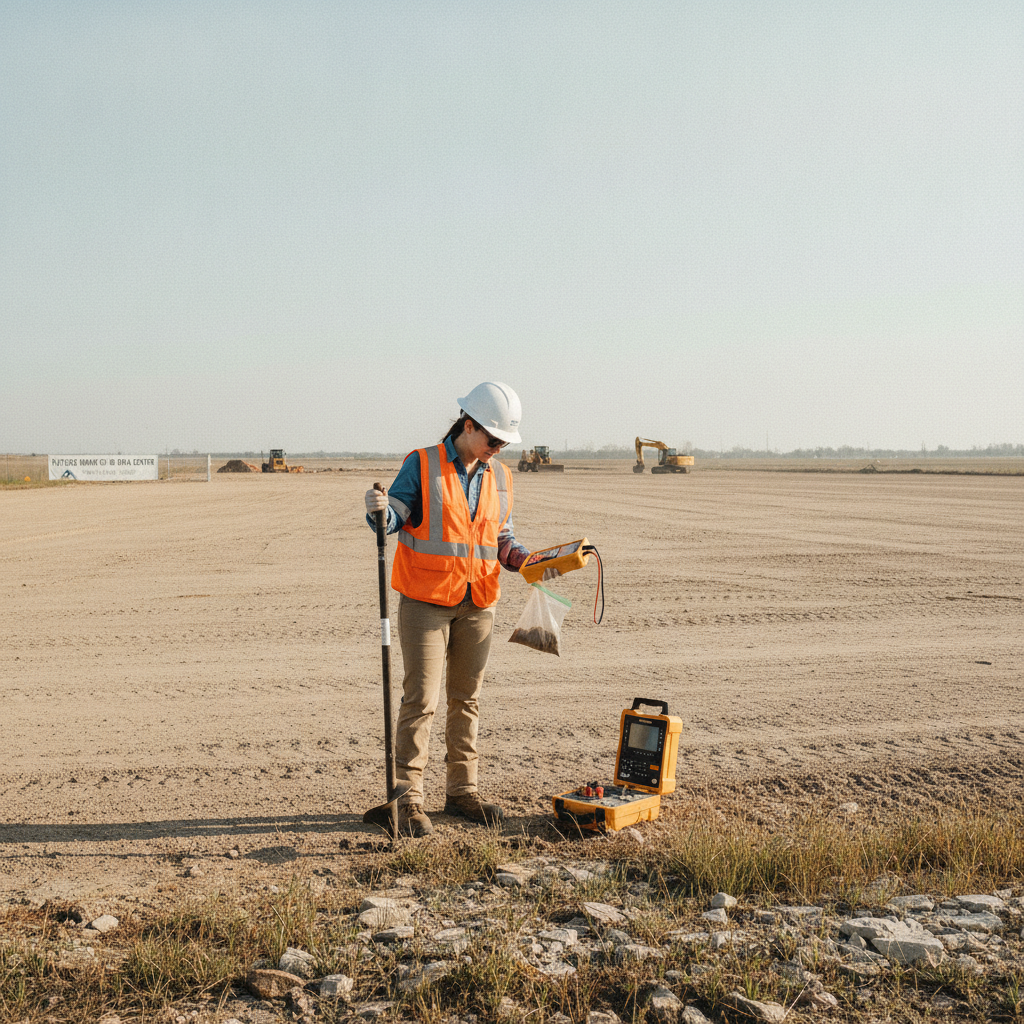
If a Phase I ESA identifies RECs or significant data gaps, a Phase II Environmental Site Assessment is typically recommended. Unlike the non-invasive Phase I, a Phase II ESA involves physical sampling to confirm or deny the presence, extent, and nature of suspected contamination. This is a crucial step in quantifying the risk identified in the initial assessment. The process begins with developing a detailed sampling and analysis plan tailored to the specific RECs identified. During a Phase II investigation, environmental professionals collect samples of soil, groundwater, and sometimes soil vapor using techniques like direct-push drilling or monitoring well installation. These samples are sent to an accredited laboratory for analysis of specific contaminants of concern. The results provide the definitive data needed to understand the scope of the problem. A clean Phase II report can provide peace of mind, while a report confirming significant contamination provides the developer with the critical information needed to estimate cleanup costs, negotiate purchase terms, or decide to walk away from the site.
Beyond Contamination: Critical Ecological and Cultural Resource Reviews
A comprehensive due diligence strategy for data center sites extends beyond soil and groundwater contamination. Large-scale development projects can impact sensitive natural and cultural resources, triggering complex regulatory reviews. A thorough assessment should include screening for federally protected wetlands and waters, which are regulated under the Clean Water Act. A formal wetland delineation, conducted according to the U.S. Army Corps of Engineers (USACE) manual, is often required to determine the precise boundaries of jurisdictional areas, which can significantly constrain the developable area of a site. Other critical components include a review of FEMA floodplain maps to assess flood risk and an evaluation for the presence of threatened or endangered species and their critical habitats, governed by the Endangered Species Act. Additionally, a cultural and archaeological resource assessment is necessary to identify historical properties or artifacts that could be impacted by construction. Identifying these resources early allows the civil engineering team to design around them or plan for the necessary mitigation and agency review processes, preventing costly surprises during construction.
Navigating Federal Permitting: NEPA, CWA, and ESA Implications
The findings from environmental due diligence directly inform the project’s permitting strategy. For instance, if jurisdictional wetlands are present and cannot be avoided, the project will require a Section 404 permit from the USACE under the Clean Water Act (CWA). This process can be lengthy and may require the purchase of mitigation bank credits to offset the impacts. Similarly, the presence of a federally listed species can trigger a consultation process with the U.S. Fish and Wildlife Service under the Endangered Species Act (ESA). Furthermore, if the project involves a federal action—such as requiring a federal permit or receiving federal funding—it may be subject to the National Environmental Policy Act (NEPA). NEPA requires federal agencies to assess the environmental effects of their proposed actions prior to making decisions. This can range from a simple Categorical Exclusion to a more intensive Environmental Assessment or a full Environmental Impact Statement (EIS). Understanding these potential triggers is a core component of a robust site development plan.
Translating Due Diligence Findings into Actionable Business Decisions
The ultimate purpose of environmental due diligence is to empower developers to make informed business decisions. The findings directly impact the financial and logistical feasibility of a project. If contamination is found, the results of a Phase II ESA can be used to estimate remediation costs, which can be negotiated into the purchase price or covered by the seller. In some cases, environmental insurance policies can be used to manage long-term liability. Ecological and cultural findings heavily influence the site plan design and overall project timeline. The need to avoid wetlands, preserve habitat, or protect archaeological sites can reduce the usable acreage and dictate the layout of buildings, access roads, and utilities. These constraints must be integrated into the civil engineering drawings early on. In severe cases, the combined cost of remediation, mitigation, and permitting delays may make a site economically unviable, leading to the prudent decision to terminate the deal and seek an alternative location.
Our Approach to Integrated Environmental and Civil Due Diligence
At RSP Engineers, we believe that environmental due diligence should not be a siloed activity. Our process integrates environmental assessment directly into the broader civil engineering and land development framework from day one. Our team of environmental scientists and engineers works collaboratively to interpret findings and immediately translate them into practical design constraints and opportunities. This ensures that potential environmental liabilities are not just identified, but are proactively addressed within the preliminary site layout, grading, and utility plans. This integrated approach de-risks the project by ensuring that the proposed design is both economically viable and permittable. By overlaying environmental constraints like wetlands and protected habitats onto the initial concept plans, we can optimize the development footprint, streamline the agency review process, and provide our clients with a clear, realistic understanding of their project’s path forward. We bridge the gap between environmental science and engineering reality, transforming due diligence from a simple report into a strategic design tool.
Common Pitfalls in Data Center Environmental Due Diligence
Even with a structured process, developers can encounter several common pitfalls. One major error is relying on an outdated Phase I ESA provided by the seller; standards change, and site conditions can evolve, making a new assessment essential. Another is underestimating the timeline for regulatory processes. A Section 404 permit or an ESA consultation can take many months, or even years, and this must be factored into the project schedule. Failing to budget adequately for potential Phase II investigations, remediation, or mitigation is another frequent oversight that can strain project finances. Finally, developers must consider off-site risks. Contamination from an adjacent property can migrate onto a clean site via groundwater flow, creating liability for the new owner. A thorough Phase I ESA should evaluate surrounding properties to identify such threats. Avoiding these pitfalls requires partnering with an experienced team that understands the nuances of both environmental regulations and the specific demands of mission-critical site development.
Partner with RSP Engineers for Comprehensive Site Due Diligence
Navigating the complexities of environmental due diligence for a data center project requires a partner with deep expertise in both regulatory compliance and practical engineering. RSP Engineers provides comprehensive site engineering services, from initial environmental screening to final construction documents. Our integrated team helps you manage risk, streamline permitting, and develop a robust site plan design that accounts for all environmental and civil constraints. Don’t let an unforeseen environmental issue jeopardize your investment. Contact us today to discuss how we can support your next mission-critical project.
Conclusion: Securing Your Investment with Proactive Due Diligence
In conclusion, thorough environmental due diligence is a non-negotiable component of data center site selection. It is a strategic investment that protects against catastrophic financial and schedule risks. By systematically evaluating a property through Phase I and Phase II ESAs, wetland delineations, and other critical reviews, developers can gain a clear understanding of a site’s liabilities and opportunities. This proactive approach enables smarter negotiations, more resilient site plan design, and a smoother path through the complex permitting process, ultimately securing the foundation for a successful land development project. Related Articles Data Center Site Selection: A Civil Engineer’s Guide to Zoning and Utilities Stormwater Management Design for Mission-Critical Facilities Navigating the Land Development Permitting Process for Large-Scale Projects
FAQs
-
A standard Phase I ESA generally takes two to four weeks to complete. This timeline allows for adequate time to request and receive regulatory database reports, conduct the site visit, and compile the final report. Timelines can be expedited but may incur additional costs.
-
A desktop review uses existing data like national wetland inventory maps to provide a preliminary screening for potential wetlands. A formal wetland delineation is a field-based scientific process where experts analyze soil, hydrology, and vegetation to establish the precise jurisdictional boundary of a wetland on the property, which is required for permitting.
-
Building in a floodplain is often possible but is highly regulated and comes with significant design and cost implications. Development is typically prohibited in the designated ‘floodway’ but may be allowed in the ‘flood fringe’ if structures are elevated or flood-proofed according to local and federal standards. This requires careful drainage design and coordination with the local floodplain administrator.