
Data Center Utility Capacity Studies: Ensuring Infrastructure Readiness
A deep dive into utility capacity studies for data centers. Learn how civil engineers assess power, water, and fiber to ensure site feasibility and infrastructure readiness in Florida.
The Critical Role of Utility Due Diligence in Data Center Site Selection
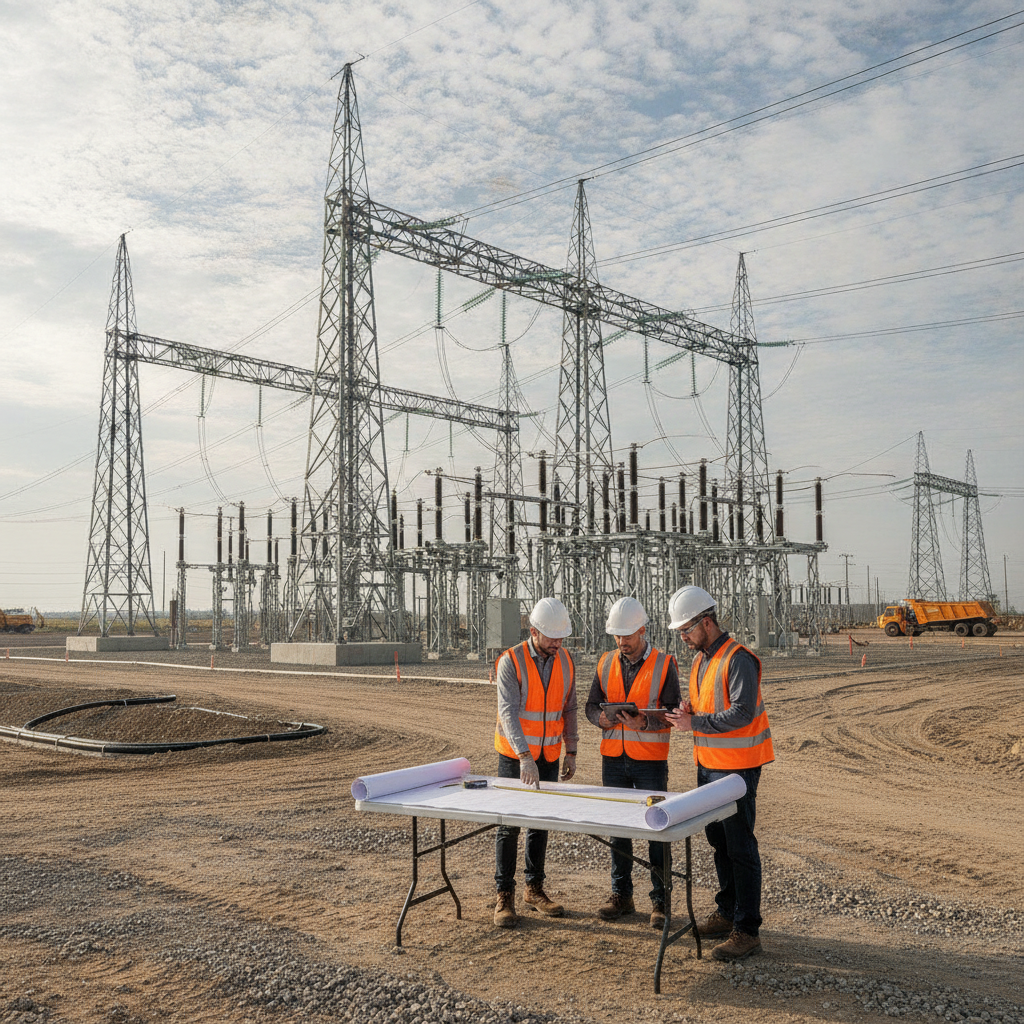
Before a single shovel breaks ground, the viability of a data center project hinges on the availability of robust utility infrastructure. Unlike typical commercial projects, data centers have an insatiable appetite for power and a zero-tolerance policy for downtime. A thorough utility due diligence process, led by an experienced civil engineering firm near me, is non-negotiable. This process involves identifying all serving utility providers, obtaining service availability letters, and analyzing existing infrastructure maps to establish a baseline understanding of the site’s capabilities. This initial assessment is crucial for go/no-go decisions. The study must evaluate not just the presence of utilities but their actual, deliverable capacity. A 12-inch water main adjacent to the site is meaningless if it lacks the pressure and flow to support the facility’s cooling systems. Similarly, proximity to high-voltage transmission lines does not guarantee access to the required megawatts. Our analysis involves direct utility coordination with providers to confirm feeder routes, substation capacity, and any planned system upgrades that could impact the project timeline. This early engagement is a cornerstone of effective site development and prevents surprises during the permitting phase.
Forecasting Power Demand: From Kilowatts to Megawatts
Utility Capacity Study Deliverables Comparison
| Utility Type | Key Metrics & Analysis | Common Upgrade Triggers |
|---|---|---|
| Electrical Power | Projected MW demand (ultimate build-out), load factor, redundancy requirements (e.g., 2N), substation capacity, feeder load data, fault current analysis. | New dedicated substation, extension of high-voltage feeders, transformer upgrades, installation of switchgear. |
| Potable Water / Fire | Average Daily Demand (GPD), Peak Demand (GPM), required fire flow (GPM) and duration, static/residual pressure analysis. | Water main extension, upsizing of existing mains, new booster pump station, dedicated fire line installation. |
| Sanitary Sewer | Projected discharge (GPD), peak flow rates, cooling tower blowdown analysis, downstream pipe and lift station capacity modeling. | Gravity sewer main extension, installation of a new lift station and force main, off-site system capacity enhancements. |
| Natural Gas | Generator fuel consumption (CFH), required delivery pressure (PSI), main size and material verification, system pressure analysis. | Extension of gas main, installation of a new regulator station, system reinforcement to meet pressure requirements. |
| Telecommunications | Carrier diversity, path redundancy, latency requirements, dark fiber availability, number of required strands, diverse points of entry. | New fiber optic duct bank construction, extension of metro/long-haul fiber routes, leasing of dark fiber strands. |
Power is the lifeblood of any data center. Accurately forecasting the ultimate power demand is the most critical component of the utility study. This involves modeling the facility’s load requirements at initial build-out and future phases, often scaling from a few megawatts to over 100 MW for large campuses. The analysis must account for IT load, cooling systems (HVAC), and all ancillary facility power needs, factoring in redundancy requirements (e.g., N+1, 2N). This detailed load forecasting provides the utility provider with the data needed to model the impact on their grid. Our engineers work closely with electrical utility providers to analyze the capacity of the local grid, including the nearest substation capacity, the condition and load of existing distribution feeders, and the availability of redundant power sources. We investigate the feasibility of dual feeds from separate substations to achieve the high level of reliability required. The study identifies the precise point of connection and quantifies the scope of any necessary upgrades, such as new feeders, transformer upgrades, or even the construction of a new, dedicated substation. Understanding the lead times for these upgrades—which can often exceed 18-24 months—is a critical factor in the overall project schedule.
Assessing Water and Wastewater Infrastructure Capacity
While power often gets the most attention, water and wastewater are equally critical, especially for data centers employing water-based cooling systems. The utility capacity study must quantify the required gallons per day (GPD) for both potable water (for domestic use and cooling tower makeup) and fire protection. A robust fire flow analysis is essential to ensure the system can meet the demands of the fire code and the facility’s suppression systems, which often requires coordination with the local fire marshal during the permitting process. On the wastewater side, the analysis confirms that the downstream sanitary sewer system has adequate capacity to handle the discharge, including cooling tower blowdown. We evaluate pipe sizes, flow velocities, and the capacity of downstream lift stations and treatment plants. In areas with limited sewer capacity, this may trigger the need for on-site pretreatment or significant off-site improvements. These findings directly influence the site plan design and can have major budget implications.
Natural Gas and Redundant Fuel Source Planning
For facilities requiring backup power generation, the availability of natural gas is a significant advantage. The study assesses the proximity, size, and pressure of the nearest natural gas main. We coordinate with the gas utility to confirm that the system can provide the required cubic feet per hour (CFH) to fuel the backup generators under full load. This involves a detailed pressure and flow analysis to ensure the system can perform when it’s needed most. In cases where natural gas is not available or is deemed a secondary backup, the study informs the site development plan regarding on-site fuel storage. This includes planning for large-capacity diesel fuel tanks, containment systems, and tanker truck access routes. The design and permitting for bulk fuel storage are subject to stringent environmental regulations, making early planning and coordination with agencies like the Florida Department of Environmental Protection (FDEP) essential.
Fiber and Telecommunications Connectivity Analysis
A data center is useless without high-speed, low-latency connectivity. A key part of the utility study is a comprehensive telecommunications analysis. This involves identifying all fiber optic providers in the vicinity of the site and mapping their long-haul and metro routes. The goal is to ensure the site has access to multiple, diverse fiber routes to prevent a single point of failure. A backhoe cutting one cable should not take the entire facility offline. We work with providers to obtain letters of intent (LOIs) and confirm the availability of dark fiber or other high-capacity services. The analysis evaluates the physical path of the fiber, ensuring diverse entry points into the building and avoiding shared conduits. This level of utility coordination is crucial for establishing the robust, redundant network architecture that data center tenants demand. The findings directly impact the facility’s marketability and long-term value.
Navigating Utility Provider Coordination and Permitting
The utility capacity study is not just a technical document; it’s a roadmap for navigating the complex web of utility providers and regulatory agencies. Each utility—power, water, sewer, gas, and telecom—operates as a separate entity with its own application processes, technical standards, and review timelines. Successful site development requires a Professional Engineer who can speak their language and manage these parallel tracks effectively. This includes preparing and submitting formal capacity requests, negotiating service agreements, and coordinating the design of on-site and off-site improvements. The results of the study are foundational to the overall permitting strategy. The confirmed points of connection and required upgrades must be incorporated into the civil engineering plans submitted to the local municipality, water management district, and other regulatory bodies. A well-documented study provides agencies with the confidence that the project is viable and has a clear path to being served, which can significantly streamline the agency review process and reduce requests for additional information (RAIs).
RSP’s Phased Approach to Utility Capacity Studies
At RSP Engineers, we approach utility capacity studies with a structured, phased methodology designed to provide clients with actionable intelligence at each stage of site selection and development. Our process begins with a high-level desktop analysis and fatal flaw review, quickly identifying sites that are non-starters. For promising sites, we move into direct utility provider engagement, submitting formal capacity requests and initiating technical discussions. This allows us to gather the detailed data needed for our engineering analysis. We compile our findings into a comprehensive Utility Capacity Report that details the availability, capacity, and constraints of each utility. The report includes conceptual routing exhibits, cost estimates for required upgrades, and a detailed assessment of timelines and potential risks. This document becomes a critical tool for our clients’ financial modeling and scheduling. By integrating this study into the broader civil engineering and permitting process, we ensure that utility planning is a proactive, integrated component of the project, not a reactive afterthought.
Common Pitfalls in Data Center Utility Assessments
Even with a plan, developers can encounter significant hurdles. A common issue is relying on outdated utility maps or verbal confirmations. Formal, written capacity verification from providers is essential. Another pitfall is underestimating the lead time for major infrastructure upgrades. A new electrical substation can take years to permit, design, and construct, a timeline that must be factored into the project from day one. Failing to secure necessary easements for off-site utility extensions can also cause significant delays and disputes. Furthermore, developers must account for the cumulative impact of other planned developments in the area. A utility system with capacity today may be constrained by the time your project is ready to connect. A forward-looking analysis, conducted by experienced Civil Engineers, is crucial. Finally, overlooking the nuances of franchise agreements and utility service territories can lead to incorrect assumptions about which provider will serve the site, complicating the entire utility coordination and design process.
Your Partner for Mission-Critical Site Development
Successfully navigating the complexities of data center utility infrastructure requires deep technical expertise and established relationships with Florida’s utility providers. RSP Engineers provides the comprehensive utility capacity studies and civil engineering services needed to de-risk your site selection process. We manage the entire lifecycle, from initial fatal flaw analysis and utility coordination to detailed design, permitting, and construction administration. Our goal is to provide the certainty you need to build with confidence. Contact us today to discuss how our team can ensure your next mission-critical project is built on a foundation of reliable and scalable infrastructure. Let’s start the conversation about your site development needs.
Conclusion
A data center is only as strong as the utility infrastructure that supports it. A proactive, detailed utility capacity study is not an optional expense but a fundamental requirement for successful project development. By identifying and quantifying utility requirements, constraints, and upgrade pathways early in the process, developers can avoid catastrophic delays and budget overruns. This strategic approach to utility coordination and civil engineering transforms a potential liability into a competitive advantage, ensuring the site is ready to meet the demands of today’s digital world. Ultimately, a thorough due diligence process is the bedrock of any successful site development project.
FAQs
-
A preliminary utility capacity study, or a ‘fatal flaw’ analysis, should begin the moment a site is identified as a serious candidate. A detailed study should be commissioned during the due diligence or feasibility period, before the land purchase is finalized. This early investment provides the critical data needed to negotiate purchase agreements and make an informed investment decision based on a clear understanding of infrastructure readiness.
-
If a significant deficit is found, the study will quantify the required upgrades. This information allows the development team to make a strategic decision: absorb the cost and timeline of the upgrades, negotiate with the seller or local economic development agencies for assistance, or abandon the site in favor of a more viable alternative. The study provides the leverage and data needed for these critical site development negotiations.
-
Lead times vary significantly, but major upgrades are lengthy processes. A new electrical substation, from initial design and permitting through construction and commissioning, can easily take 24 to 36 months or more in Florida. Extending a high-pressure gas main or a large-diameter water main can take 12 to 18 months. These timelines are heavily influenced by agency review cycles, material procurement, and easement acquisition.