
Data Center Electrical Infrastructure: A Florida Civil Engineering Planning Guide
A guide for developers on the civil engineering requirements for data center electrical infrastructure in Florida, covering utility coordination, site planning, permitting, and redundancy.
Utility Coordination and Capacity Assessment
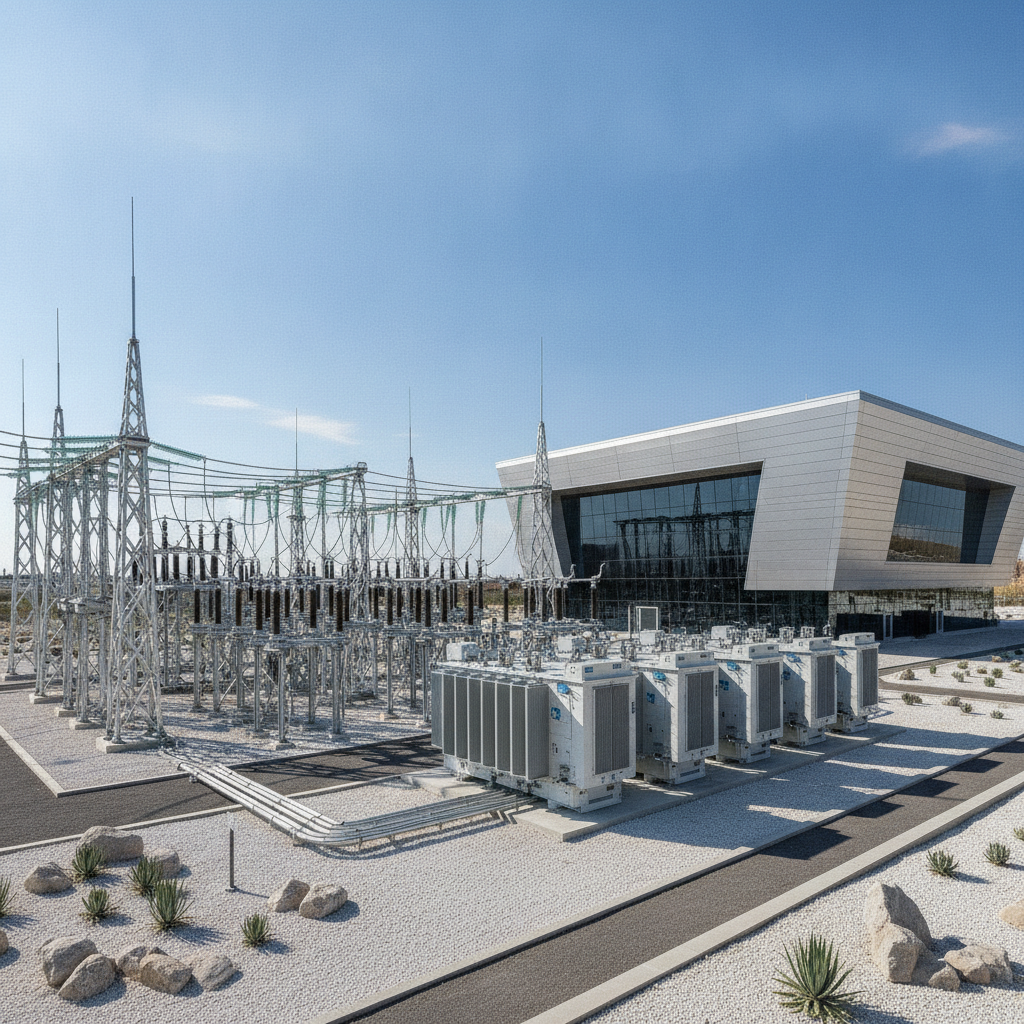
The first and most critical step in planning a data center is engaging with the local power utility, whether it’s FPL, Duke Energy, TECO, or a municipal provider. This process begins with a formal load assessment, where the projected power consumption of the facility is calculated and submitted to the utility. The utility then performs a power availability study to determine if the existing grid can handle the demand. This isn’t just a formality; the results can make or break a project’s feasibility. A site may seem perfect, but if it’s miles from high-capacity transmission lines, the cost to bring power to the site can be prohibitive. Effective utility coordination involves more than just a single phone call. It’s an ongoing dialogue managed by the civil engineer to secure a ‘will-serve’ or ‘load’ letter, which is often a prerequisite for financing and permitting. This phase also involves identifying the potential points of interconnection and negotiating the physical route for new power feeds. Our role as one of the leading Civil Engineering Firms is to facilitate these discussions, translating the data center’s technical needs into actionable plans that the utility can evaluate, ensuring that both on-site and off-site infrastructure requirements are clearly defined and agreed upon early in the project lifecycle.
Site Selection Criteria for Power-Intensive Facilities
Key Electrical Infrastructure Design Considerations
| Component | Civil Engineering Requirement | Key Permitting Agency |
|---|---|---|
| Dual Utility Feeds | Separate underground duct bank design, property easement acquisition, coordination with utility on points of connection. | Local Utility Provider, County/City Public Works |
| On-Site Substation | Geotechnical analysis, reinforced concrete foundation design, grading and drainage plan, security fencing, and access road design. | Local Building Department, Utility Provider |
| Backup Generator Farm | Structural concrete pads for heavy/vibrating loads, sound attenuation analysis/design, hurricane tie-downs, fuel line trenching. | Local Building Department, County Environmental Health |
| Underground Duct Banks | Trenching and backfill specifications, concrete encasement design, coordination with other wet/dry utilities to avoid conflicts. | County/City Engineering Department |
| Bulk Fuel Storage Tanks | Secondary containment design (concrete vaults or double-walled tanks), SPCC plan development, leak detection system integration. | Florida Department of Environmental Protection (FDEP), EPA |
| Stormwater Management | Design of oil-water separators for substation runoff, specialized swales, and compliance with Water Management District (WMD) standards. | Regional Water Management District (e.g., SFWMD, SWFWMD) |
Power availability is the primary driver for data center site selection. A civil engineer’s due diligence process evaluates potential parcels based on their proximity to robust electrical infrastructure. The ideal site is located near one or more major substations, minimizing the length and cost of new transmission lines. We analyze GIS data, utility maps, and zoning ordinances to identify sites that not only have access to power but are also zoned for this type of intensive industrial use. Zoning compliance is crucial, as data centers have unique noise, security, and traffic profiles that must align with local land use regulations. Beyond proximity, the analysis includes evaluating the feasibility of securing necessary easements for new utility corridors. Easement acquisition can be a lengthy and complex process involving multiple landowners and government agencies. The site must also have sufficient space to accommodate redundant feeds, on-site substations, and extensive generator farms, all while adhering to setback requirements and environmental constraints. A thorough site investigation report, often including a preliminary geotechnical analysis, provides the development team with a clear picture of the opportunities and constraints, preventing costly surprises during the design and permitting phases.
Designing for Redundancy: N+1, 2N, and Beyond
Data center uptime is non-negotiable, making power redundancy a core design principle. From a civil engineering perspective, this translates into specific site layout and infrastructure requirements. A 2N redundant design, for example, requires two completely independent power feeds from separate utility substations. This necessitates careful site plan design to create physically separate pathways for underground duct banks, preventing a single point of failure like an excavation accident from taking down both feeds. The site layout must be meticulously planned to maintain this separation from the property line to the building’s entry point. The design must also allocate significant space for on-site backup power systems. This includes large concrete pads for industrial-scale generators, often called a ‘generator yard,’ and secure areas for bulk underground fuel storage tanks. The civil design for these areas includes foundations engineered to support heavy, vibrating equipment, as well as integrated secondary containment systems to comply with environmental regulations. The overall site layout must balance these critical infrastructure zones with needs for building expansion, parking, loading docks, and stormwater management systems, creating a functional and compliant campus.
Civil Engineering for On-Site Substations and Switchgear
For large-scale data centers, an on-site electrical substation is often required to step down high-voltage power from the utility grid. The design and construction of this facility is a major civil engineering task. It begins with a detailed Geotechnical soil report to assess the soil’s bearing capacity, which is essential for designing the massive concrete foundations required for transformers and switchgear. These transformer pads must be designed to handle immense weight and resist settlement over time, ensuring the long-term stability of the equipment. The substation area requires specialized drainage design to manage stormwater runoff while preventing electrical hazards. This often includes using non-conductive backfill materials like crushed stone and designing containment systems to capture any potential oil leaks from transformers. The entire compound must be secured with specialized fencing and grounding grids, and access roads must be designed to support the heavy vehicles needed for equipment delivery and maintenance. This is a core competency of our site engineering services, ensuring the substation is not only functional but also safe and compliant with all utility and local building codes.
Permitting Pathways for High-Voltage Infrastructure
Bringing high-voltage power to a data center site involves a complex and multi-layered permitting process. The civil engineer is typically responsible for navigating these approvals, which can involve local, county, state, and utility-specific requirements. Off-site work, such as extending a transmission line, requires right-of-way permits from the Florida Department of Transportation (FDOT) or the local county. On-site, the substation and generator systems require building permits, electrical permits, and often environmental resource permits from the Water Management District. A critical part of the process is the agency review, where multiple departments scrutinize the plans for compliance with building codes, fire codes, environmental regulations, and zoning ordinances. The civil engineering plans must demonstrate proper grading, drainage, erosion control, and access for emergency vehicles. A well-prepared permit submittal package, with clear and comprehensive drawings and calculations, is essential to minimize review comments and keep the project on schedule. Proactive communication with agency staff is key to resolving potential issues before they cause significant delays.
Integrating Backup Power: Generators and Fuel Systems
Backup power systems are the final line of defense for a data center. The civil engineering scope for a generator farm is substantial. It involves designing large, reinforced concrete pads to support rows of heavy generators, ensuring they are isolated to minimize vibration transfer to the main building. The layout must consider airflow for cooling, exhaust routing, and safe clearances for maintenance. In Florida, these structures must also be designed to withstand hurricane-force winds, often requiring robust tie-downs and structural hardening as stipulated by the Florida Building Code. Fuel storage is another critical component. The design of fuel storage tanks, whether above-ground or below-ground, is heavily regulated. Civil plans must include detailed designs for secondary containment, leak detection systems, and spill prevention, control, and countermeasure (SPCC) plans to satisfy EPA requirements. The utility coordination extends to fuel delivery, with site plans showing safe and efficient access routes for tanker trucks. Furthermore, local ordinances often have strict noise limits, requiring the civil engineer to work with acoustic consultants to incorporate sound attenuation walls or enclosures into the site design.
RSP Engineers’ Approach to Infrastructure Planning
At RSP Engineers, we approach data center infrastructure planning with a comprehensive, phased methodology. It begins with a thorough Feasibility and Due Diligence phase, where we conduct power availability studies and preliminary site evaluations to identify viable locations. We work closely with the client and utility providers to establish a clear path forward before significant capital is invested. This proactive approach is what sets apart the best Civil Engineering firms. Once a site is selected, we move into the Design and Permitting phase. Our team develops a fully integrated set of civil engineering plans, covering everything from grading and drainage design to foundation plans for all electrical equipment. We manage the entire permit submittal process, coordinating with all reviewing agencies to secure approvals efficiently. During construction, we provide Construction Management Services and administration, ensuring that the work is executed according to the approved plans and specifications, and that all critical infrastructure is installed correctly for long-term reliability.
Common Challenges in Data Center Power Projects
Even with meticulous planning, data center power projects face common hurdles. The most significant is often the long lead time for high-voltage equipment like transformers and switchgear, which can be 18-24 months or more. This requires that utility coordination and procurement begin extremely early in the project timeline. Another frequent challenge is discovering unforeseen geotechnical conditions, such as soft soils or a high water table, which can necessitate costly deep foundations or dewatering operations for substations and duct banks. Easement and right-of-way negotiations for new utility feeds can also become contentious and protracted, potentially delaying the entire project. On the regulatory side, conflicting requirements between the utility provider’s standards and the local municipality’s codes can create design and permitting challenges. A skilled Professional Engineer must be adept at navigating these conflicts and finding compliant solutions that satisfy all stakeholders, ensuring the project avoids costly redesigns and schedule slips.
Your Partner for Mission-Critical Infrastructure
Planning and executing the electrical infrastructure for a data center is a high-stakes endeavor where there is no room for error. Success requires a partner with deep expertise in Florida’s unique regulatory and environmental landscape. Contact RSP Engineers today to leverage our comprehensive site engineering services. Our team is ready to manage your project’s complex utility coordination, navigate the multi-agency permitting process, and deliver a site that is primed for reliability and growth.
Conclusion
In conclusion, the development of robust data center electrical infrastructure is a complex discipline where civil engineering plays a foundational role. Success is not merely about procuring equipment; it is about strategic site selection, meticulous site design that accounts for power redundancy, and navigating a challenging regulatory environment. By integrating civil engineering expertise from the earliest stages of planning, developers can mitigate risks, control costs, and ensure their facility is built on a reliable and resilient foundation, ready to meet the demands of the digital age. This early investment in expert site development is critical for long-term operational success.
FAQs
-
You should engage with the power utility as soon as you have a potential site and a preliminary estimate of your power needs (a load assessment). This should happen during the due diligence phase, well before you close on the property. Early engagement is critical for confirming power availability and understanding the potential costs and timeline for service delivery.
-
A load letter, or will-serve letter, is a formal document from the utility company confirming they have the capacity to serve your project’s proposed electrical demand. It is a critical milestone that is often required by lenders, investors, and permitting agencies before the project can move forward. It validates the feasibility of your site selection from a power perspective.
-
The primary challenges are maintaining true physical separation of the two independent power feeds across the entire site and coordinating the complex network of underground utilities. This involves meticulous site plan design to create separate duct bank corridors, avoiding crossovers with other utilities, and ensuring that a single excavation or site incident cannot compromise both feeds. It significantly increases the complexity of the utility coordination.