
Conditional Use Permits for Data Center Facilities
Learn the key steps for securing a Conditional Use Permit (CUP) for data center facilities, including required studies, public hearings, and managing conditions of approval. Expert guidance for develo
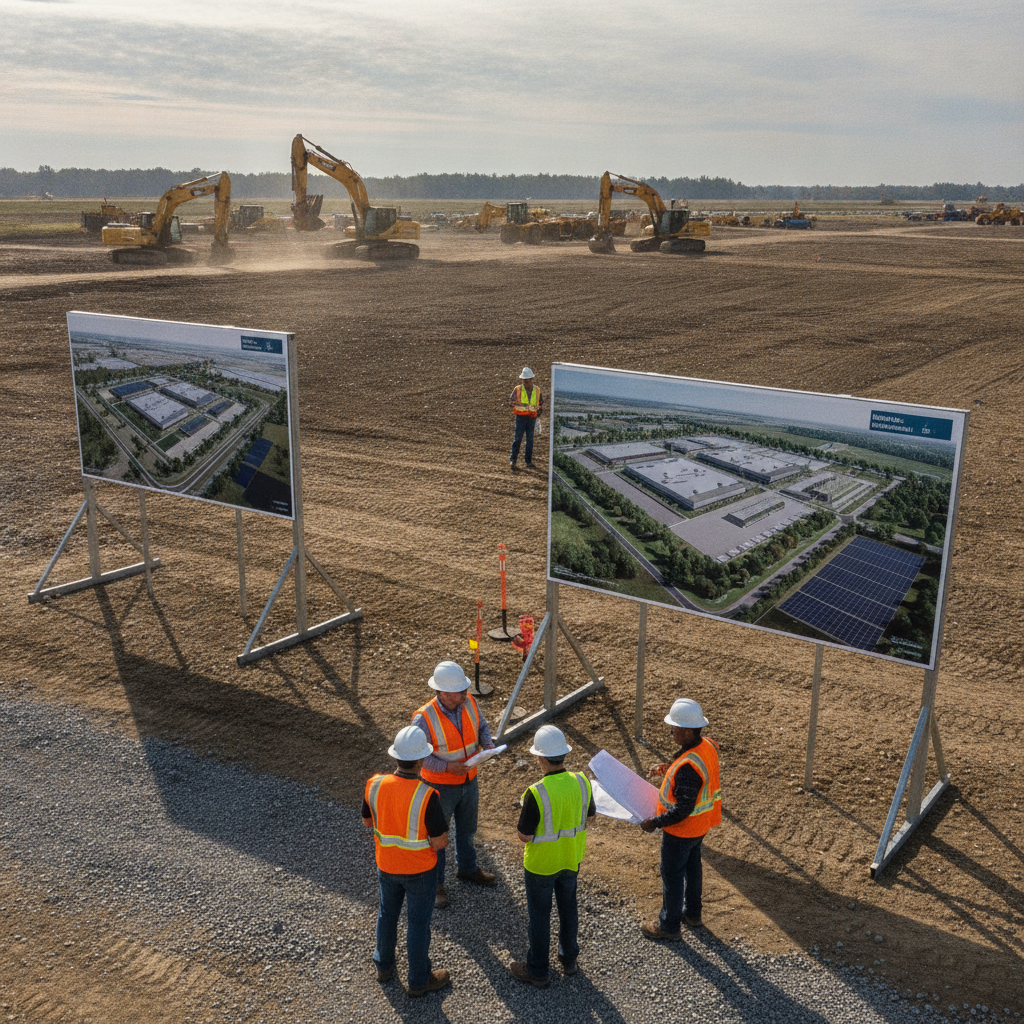
Understanding the Role of Conditional Use Permits in Zoning
Local zoning ordinances categorize land into districts (e.g., residential, commercial, industrial) and specify which uses are permitted “by-right” in each. A by-right use is one that is automatically allowed if it meets all objective code standards. Data centers, however, are frequently classified as a conditional use in many industrial or commercial zones. This designation acknowledges that while the use may be appropriate for the zone, its scale and potential impacts on infrastructure, the environment, and adjacent properties warrant a case-by-case review. The purpose of the CUP process is to provide a public forum for the local government’s planning commission or zoning board to evaluate the proposed facility against a set of specific criteria. This quasi-judicial process allows the jurisdiction to impose binding conditions to mitigate potential negative impacts, ensuring the data center is compatible with its surroundings. Successfully navigating this process requires a deep understanding of zoning compliance, proactive stakeholder engagement, and a meticulously prepared application package grounded in sound civil engineering principles.
The Core Findings: Justifying the Data Center’s Compatibility
Key Technical Studies for Data Center CUP Approval
| Study Type | Key Objective | Common Deliverables & Engineering Focus |
|---|---|---|
| Traffic Impact Analysis (TIA) | Assess impact on local road network and identify necessary mitigation. | Trip generation estimates, capacity analysis at key intersections, roadway improvement recommendations (e.g., turn lanes), and access point review. |
| Noise Impact Study | Demonstrate compliance with local noise ordinances and mitigate sound impacts. | Ambient noise measurements, sound propagation modeling, analysis of equipment noise (chillers, generators), and design of mitigation like sound walls or berms. |
| Visual Impact Analysis | Show visual compatibility with the surrounding area through screening and design. | Photorealistic renderings, line-of-sight cross-sections, landscape buffering plans, and architectural material specifications. |
| Utility Capacity Report | Confirm availability of sufficient power, water, and sewer service for the facility. | Utility provider will-serve letters, load calculations, analysis of existing infrastructure capacity, and identification of required system upgrades. |
| Preliminary Stormwater Management Plan | Demonstrate a viable strategy for managing runoff in compliance with regulations. | Drainage basin maps, preliminary sizing of ponds or underground systems, water quality treatment calculations, and floodplain analysis. |
A CUP application is not a checklist; it is a persuasive argument. The applicant bears the burden of proof to demonstrate that the project satisfies a series of “findings of fact” outlined in the local zoning code. While the specific language differs, these findings typically require the applicant to prove that the proposed data center will not adversely affect public health, safety, and welfare; is consistent with the goals of the local comprehensive plan; and will be compatible with the character of the surrounding area. This involves showing that potential impacts related to traffic, noise, and visual aesthetics have been adequately addressed. The evidentiary standards for these findings are high and require detailed technical support. General statements are insufficient; the application must present credible data and analysis from qualified professionals. It is crucial to remember that permitting requirements vary by jurisdiction, and every project team should confirm the applicable standards with the local, state, regional, and federal authorities that hold review authority over the site. A thorough review of the local ordinance by a civil engineering firm is the first step in building a compelling case and identifying the specific evidence needed to satisfy each required finding.
Essential Supporting Studies for a CUP Application
To substantiate the claims made in the application narrative, a series of technical studies is almost always required. These reports provide the data-driven evidence that a review board needs to approve a permit. The scope of these studies is dictated by the specific project and local requirements, but for data centers, they commonly include: Traffic Impact Analysis (TIA): This study evaluates the vehicle trips generated by the facility—including employees, maintenance crews, and occasional equipment deliveries—and assesses the impact on the surrounding roadway engineering and traffic operations. It may identify the need for off-site improvements like turn lanes or traffic signals. Noise Impact Study: Data centers generate significant noise from cooling systems (chillers, fans) and emergency backup generators. A noise study models sound propagation to nearby sensitive receptors (like residential areas) and demonstrates compliance with local noise ordinances, often proposing mitigation measures like sound walls or equipment selection. Visual Impact Analysis: These studies use photorealistic renderings and line-of-sight diagrams to show how the proposed facility will appear from public rights-of-way and adjacent properties. They are critical for demonstrating how architectural design, landscaping, and buffers will screen the facility and ensure it is visually compatible with the area. Utility Capacity Analysis: This report is fundamental to demonstrating project feasibility. It involves close utility coordination with power, water, and wastewater providers to confirm that adequate capacity exists to serve the immense demands of the data center, or to outline the infrastructure upgrades required.
The Public Hearing Process and Stakeholder Engagement
The culmination of the CUP application process is the public hearing. This is a formal, quasi-judicial proceeding where the applicant’s team presents the project to a decision-making body, such as a Planning Commission or Zoning Board of Appeals. The jurisdiction’s staff will typically present a report with their recommendation, after which the applicant presents their case, followed by public comment from interested parties. The board then deliberates and votes to approve, approve with conditions, or deny the permit. A successful presentation is clear, concise, and directly addresses the required findings of fact using evidence from the technical studies. The project team, led by a representative from their civil engineering firm, must be prepared to answer detailed questions from both the board and the public. Proactive stakeholder engagement prior to the hearing can be invaluable for identifying and addressing community concerns early, which can significantly smooth the path to approval. After a decision, there is typically a defined appeal period during which the applicant or an aggrieved party can challenge the outcome.
Conditions of Approval: The Binding Framework for Design
A CUP is rarely a simple yes or no. More often, an approval comes with a list of “conditions of approval.” These are legally binding requirements that must be met for the permit to remain valid and for the project to proceed. These conditions become part of the project’s entitlements and directly influence the final site plan design and construction documents. Examples of common conditions for data centers include: Limits on the hours for backup generator testing to minimize noise disruption. Specific requirements for landscape buffer widths, plant species, and height to provide visual screening. Mandatory off-site roadway improvements, such as the construction of a deceleration lane. Restrictions on exterior lighting to prevent light pollution. Architectural requirements for building materials and colors to ensure aesthetic compatibility. It is critical to carefully review and even negotiate these conditions before the approval is finalized, as they can have significant cost and design implications for the site development.
RSP Engineers’ Approach to CUP Strategy
At RSP Engineers, we view the Conditional Use Permit process as a foundational phase of project strategy, not just a regulatory hurdle. Our approach is designed to de-risk the entitlement process and create a clear path to construction. We begin with comprehensive due diligence, analyzing zoning codes to identify all permitting triggers and potential challenges. From there, we manage the preparation of all necessary technical studies, ensuring the data is robust and the conclusions are defensible. Our team prepares a compelling application narrative and high-quality exhibits designed for public hearings. We represent our clients before review boards, clearly articulating the project’s merits and negotiating reasonable conditions of approval. Finally, we seamlessly integrate those binding conditions into the final civil engineering and construction plans, ensuring full zoning compliance through project completion.
Navigating Potential CUP Roadblocks
Even with careful planning, the CUP process can present challenges. One common issue is receiving conflicting conditions, where a requirement from the CUP approval (e.g., a dense landscape buffer) conflicts with a technical standard from another agency (e.g., clear access requirements for a stormwater management facility). Resolving these requires skilled negotiation and creative drainage design solutions. Public opposition, often focused on noise or visual concerns, is another frequent roadblock that can be mitigated with proactive outreach and clear, data-driven responses. A failure to anticipate the full scope of required studies can also lead to significant delays, underscoring the importance of expert upfront analysis. Finally, a vague application that fails to directly address each required finding of fact gives a review board an easy reason for denial, highlighting the need for a precise and well-supported narrative.
Partner with RSP Engineers for Your Data Center Project
Securing a Conditional Use Permit is a high-stakes step that defines the parameters for your entire data center project. The expert team at RSP Engineers specializes in navigating complex entitlement and permitting processes for mission-critical facilities nationwide. We provide the strategic guidance and technical excellence needed to manage utility coordination, secure zoning compliance, and deliver a successful outcome. Contact us today to discuss how we can support your next site development project from due diligence through construction.
A Strategic Approval is the Foundation for Success
Ultimately, a Conditional Use Permit is much more than a piece of paper. It is a negotiated agreement that sets the legal and technical framework for a multi-million-dollar investment. A proactive, thorough, and technically sound approach to the CUP process mitigates risk, builds positive relationships with the local community and regulators, and lays the groundwork for a successful land development project. By partnering with an experienced civil engineering team, developers can confidently navigate this critical phase and turn a complex regulatory challenge into a strategic advantage.
FAQs
-
A rezoning changes the actual zoning classification of a property (e. g. , from commercial to industrial), which is a legislative act that amends the official zoning map. A CUP, in contrast, allows a specific use within the existing zoning district, subject to conditions. It is a quasi-judicial approval that does not change the underlying zoning.
-
The timeline can vary significantly based on the jurisdiction’s meeting schedule, the complexity of the project, and whether there is public opposition. A straightforward process might take 4-6 months from application submittal to final hearing, while a complex or contentious project could take a year or more, especially if extensive agency review is required.
-
Yes, often they can be. It is crucial to review draft conditions proposed by staff before the final hearing. An experienced civil engineering consultant can help identify conditions that are technically infeasible, cost-prohibitive, or conflict with other regulations, and can negotiate more practical alternatives with jurisdictional staff or at the public hearing.