
Working in Florida’s Urban Infill Zones
Explore the complexities of working in Florida’s urban infill zones, including zoning compliance, stormwater management, and utility coordination.
Understanding Urban Infill Zones
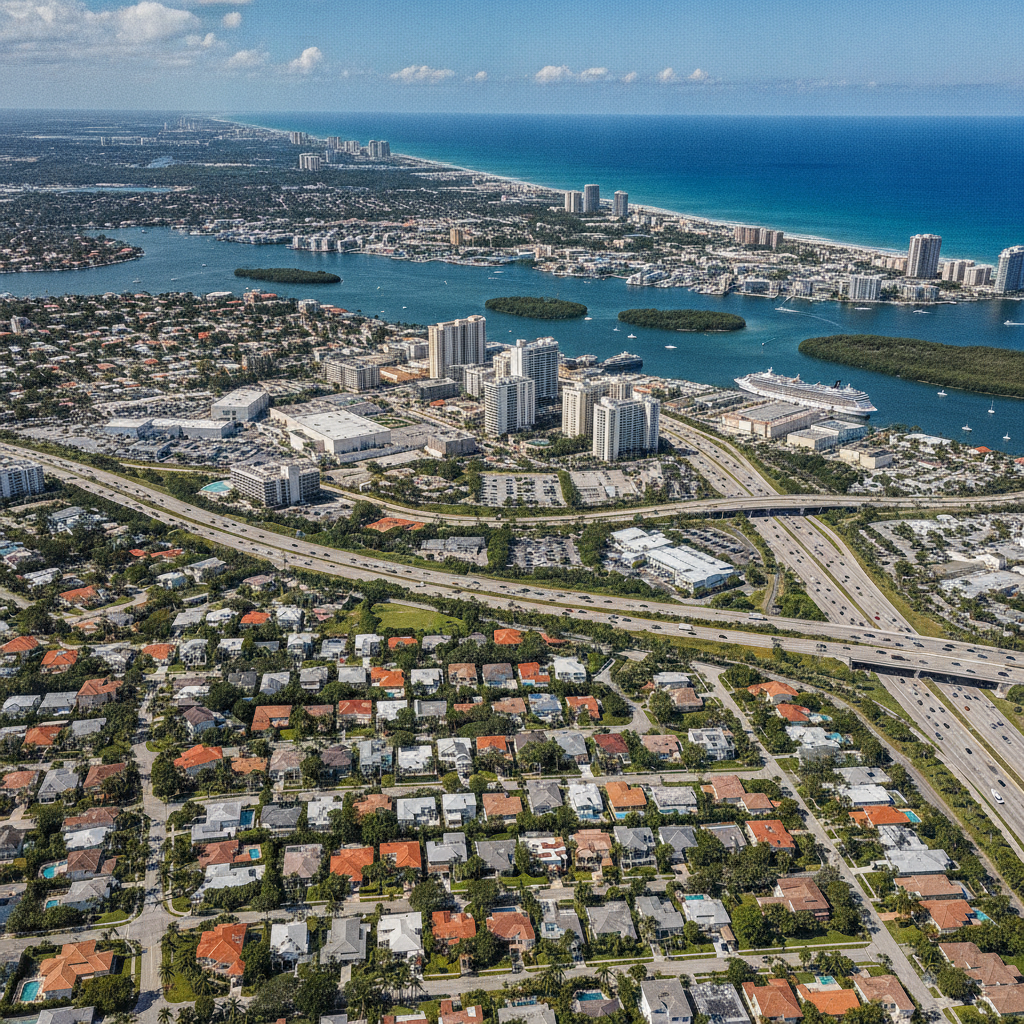
Urban infill zones are areas within a city that are ripe for redevelopment. These zones often include vacant lots, underused properties, or areas that can be repurposed for higher density uses. In Florida, these zones are critical for accommodating growth without expanding urban sprawl. Developers must understand the local zoning regulations and land use policies that govern these areas to ensure compliance and optimize land use.
Zoning Compliance in Infill Zones
Key Considerations for Urban Infill Projects
| Consideration | Description | Impact |
|---|---|---|
| Zoning Compliance | Adherence to local zoning laws and regulations | Ensures legal use of land and avoids penalties |
| Stormwater Management | Design of systems to manage runoff | Prevents flooding and environmental damage |
| Utility Coordination | Integration with existing infrastructure | Ensures reliable service provision |
| Permitting | Acquisition of necessary development permits | Legalizes construction and operation |
| Environmental Impact | Assessment of project’s ecological footprint | Minimizes negative environmental effects |
Compliance with zoning regulations is paramount when working in urban infill zones. These regulations dictate the types of structures that can be built, their height, density, and the uses permitted on the site. In Florida, zoning compliance often involves navigating complex overlays and district-specific requirements. Developers must work closely with local planning departments to ensure their projects meet all necessary criteria.
Stormwater Management Challenges
Effective stormwater management is a critical component of any development project in Florida, particularly in urban infill zones where space is limited. Engineers must design systems that manage runoff effectively while complying with state and local regulations. This often involves innovative solutions such as green roofs, permeable pavements, and underground detention systems to handle stormwater without compromising the site’s usability.
Utility Coordination and Infrastructure
Utility coordination is another significant challenge in urban infill projects. Existing infrastructure may need to be upgraded or relocated to accommodate new developments. This requires careful planning and coordination with utility providers to ensure that services such as water, sewer, and electricity are adequately provided without disrupting existing services. Engineers must also consider the impact of new developments on existing infrastructure and plan accordingly.
Permitting and Regulatory Considerations
Obtaining the necessary permits for urban infill projects can be a complex process. Developers must navigate a myriad of local, state, and federal regulations, including environmental assessments and historical preservation requirements. Working with experienced Florida Licensed Engineers can streamline this process, ensuring that all necessary documentation is prepared and submitted correctly.
RSP Engineers’ Approach to Urban Infill Projects
At RSP Engineers, we approach urban infill projects with a comprehensive understanding of the unique challenges they present. Our team of Florida Licensed Engineers works closely with clients to develop tailored solutions that address zoning, stormwater, and utility challenges. We leverage our expertise in site development and regulatory compliance to ensure projects are completed efficiently and effectively.
Common Issues in Urban Infill Development
Common issues in urban infill development include unexpected site conditions, such as contaminated soil or hidden utilities, which can delay projects and increase costs. Additionally, community opposition can arise if developments are perceived to negatively impact the neighborhood. Engaging with stakeholders early and conducting thorough site assessments can mitigate these risks.
Contact RSP Engineers
Contact RSP Engineers for project-specific guidance on navigating the complexities of urban infill zones. Our team offers expert site development, stormwater management, and utility coordination services to ensure your project’s success.
Conclusion
Working in Florida’s urban infill zones requires a nuanced understanding of zoning compliance, stormwater management, and utility coordination. By partnering with experienced professionals like RSP Engineers, developers can navigate these challenges effectively, ensuring successful project outcomes that contribute positively to urban environments.
FAQs
-
Urban infill zones are areas within a city that are underutilized and suitable for redevelopment. They often include vacant lots or properties that can be repurposed for higher density uses.
-
Zoning compliance ensures that developments adhere to local laws, which dictate the types of structures allowed, their density, and usage. This compliance is crucial to avoid legal issues and optimize land use.
-
In urban infill zones, space constraints require innovative stormwater management solutions, such as green roofs and permeable pavements, to effectively manage runoff while complying with regulations.