
Utility Coordination for Large-Scale Projects
Explore utility coordination for large-scale projects in Florida, covering wet and dry utilities, capacity letters, easements, and more. Learn how RSP Engineers can assist.
Understanding Wet and Dry Utilities
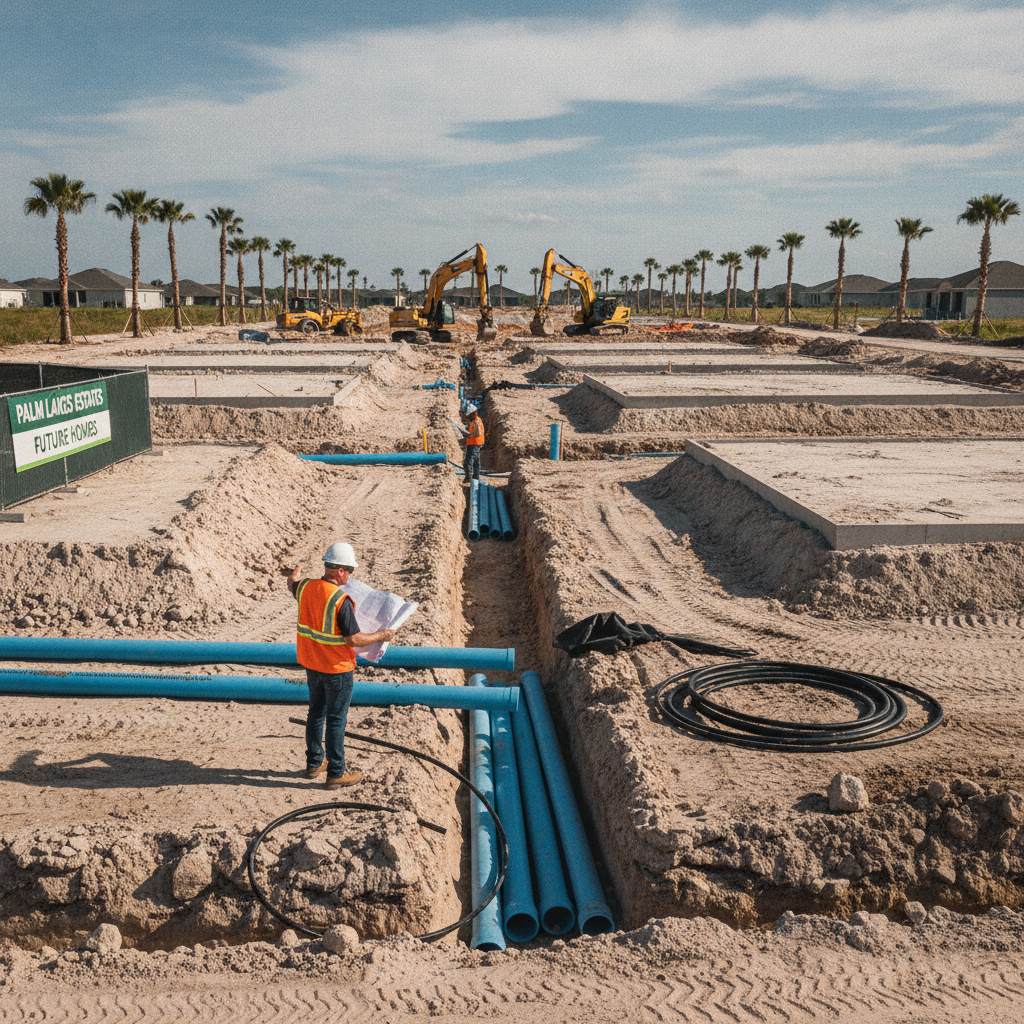
Wet utilities encompass systems that transport water and waste. This includes potable water lines, sanitary sewer systems, and reclaimed water infrastructure. Coordination of these utilities requires careful planning to ensure adequate capacity and compliance with local regulations. Dry utilities, on the other hand, involve the distribution of electricity, natural gas, and telecommunications. These systems are crucial for the operational functionality of any development. Coordination with providers like FPL for power and various telecom companies for fiber optics is essential to meet project timelines.
Capacity and Availability Letters
Utility Coordination Needs and Requirements
| Utility Type | Coordination Needs | Requirements |
|---|---|---|
| Water | Capacity letters, easements | Compliance with local water authority |
| Sewer | Availability letters, conflict resolution | Coordination with sewer district |
| Power | Joint-trench agreements, phasing | Coordination with FPL |
| Gas | Relocations, easements | Compliance with gas provider |
| Telecom | Joint-trench agreements, capacity letters | Coordination with telecom companies |
Before construction begins, obtaining capacity and availability letters from utility providers is a necessary step. These letters confirm that the existing infrastructure can support the new development or outline any required upgrades. This documentation is vital for securing permits and ensuring that the project can proceed without unexpected utility-related obstacles.
Easements and Joint-Trench Agreements
Utility easements grant access to utility providers for installation and maintenance. Negotiating these easements is a critical part of the coordination process, ensuring that utility lines can be installed without infringing on private property rights. Joint-trench agreements allow multiple utilities to share a single trench, reducing costs and minimizing disruption to the site. These agreements require careful coordination among all parties involved to ensure that each utility’s specifications are met.
Utility Relocations and Conflict Resolution
During the planning phase, identifying potential utility conflicts is crucial. Existing utilities may need to be relocated to accommodate new construction. This process involves detailed mapping and coordination with utility providers to minimize service interruptions. Resolving conflicts between different utilities requires a collaborative approach, often involving negotiations and adjustments to the project design to accommodate all necessary services.
Phasing and Project Management
Large-scale projects often require phased construction to manage resources and minimize impact. Utility coordination must align with these phases to ensure that services are available as needed throughout the project timeline. Effective project management involves regular communication with utility providers and stakeholders to keep the project on track and address any issues that arise promptly.
Agency and Provider Coordination
Coordinating with local agencies and utility providers is a fundamental aspect of utility coordination. This includes submitting plans for review, obtaining necessary permits, and ensuring compliance with all regulatory requirements. Regular meetings and updates with these entities help to streamline the approval process and prevent delays caused by miscommunication or oversight.
RSP Engineers’ Approach to Utility Coordination
At RSP Engineers, we take a comprehensive approach to utility coordination. Our team of experienced civil engineers works closely with utility providers and local agencies to ensure that all aspects of utility integration are addressed efficiently. From initial planning to final implementation, we manage every detail to keep your project on schedule and within budget.
Common Issues in Utility Coordination
One of the most common challenges in utility coordination is dealing with unexpected utility conflicts. These can arise from inaccurate mapping or changes in project scope. Proactive planning and regular communication with utility providers can help mitigate these issues. Another frequent issue is delays in obtaining necessary permits and approvals. Understanding the regulatory landscape and maintaining open lines of communication with agencies can help expedite this process.
Contact RSP Engineers
For expert guidance on utility coordination for your large-scale project, contact RSP Engineers. Our team of Florida Licensed Engineers is ready to assist with every aspect of your project, from planning to execution. Reach out today to learn how we can help streamline your utility coordination process.
Conclusion
Effective utility coordination is essential for the success of large-scale projects in Florida. By understanding the intricacies of both wet and dry utilities, securing necessary documentation, and maintaining open communication with all stakeholders, projects can proceed smoothly and efficiently. RSP Engineers is committed to providing the expertise and support needed to navigate these complex processes.
FAQs
-
Utility coordination ensures that all necessary services are integrated into the project without delays or conflicts, which is crucial for maintaining project timelines and budgets.
-
These letters confirm that existing infrastructure can support the new development, which is essential for securing permits and avoiding unexpected utility-related issues.
-
Joint-trench agreements allow multiple utilities to share a single trench, reducing costs and minimizing site disruption.