
Tree Removal Permits in Florida: A Developer’s Guide
Navigate the complexities of tree removal permits in Florida with our comprehensive guide. Learn about permitting requirements, compliance, and best practices for developers.
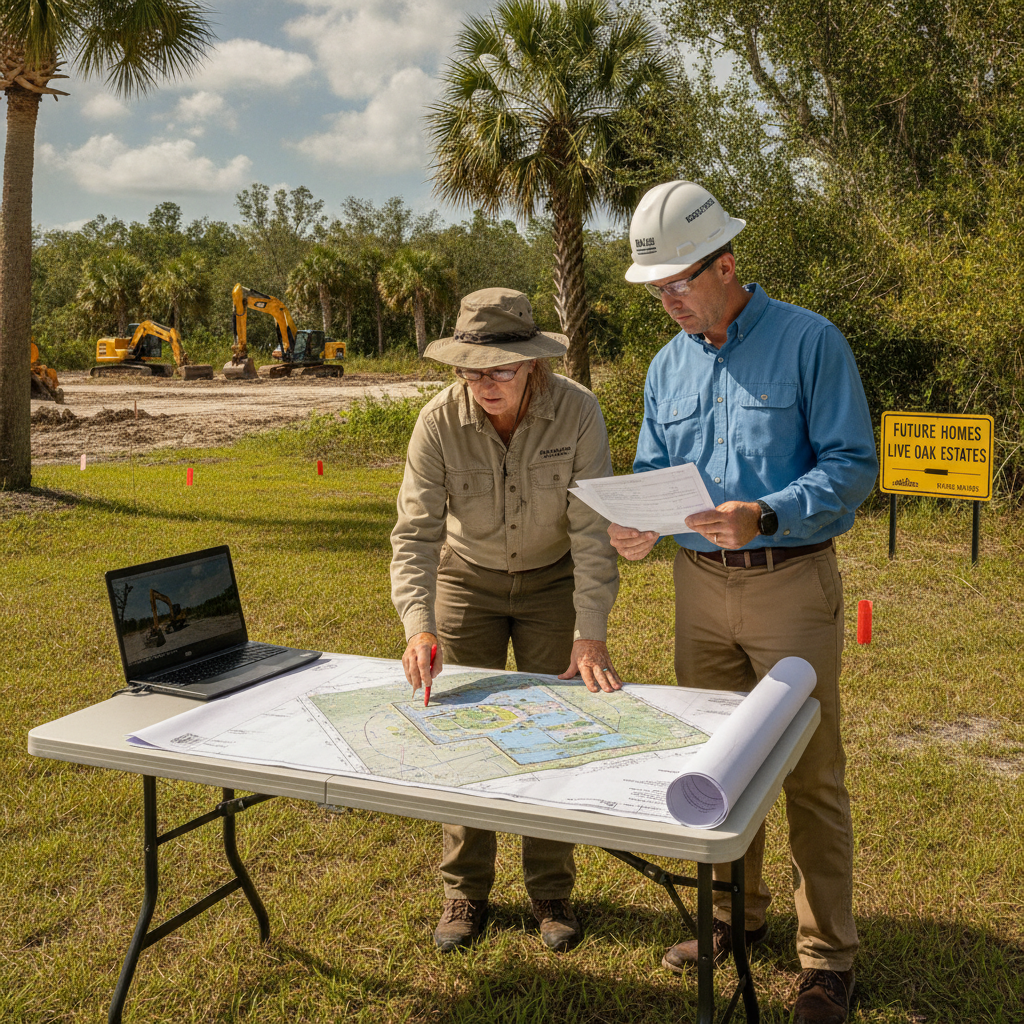
Understanding Tree Removal Regulations in Florida
Common Tree Removal Permit Requirements
| Requirement | Description | Applicable Projects |
|---|---|---|
| Tree Survey | Detailed inventory of trees on the site, including species and condition | All development projects |
| Environmental Impact Assessment | Analysis of the project's impact on local ecosystems | Projects in environmentally sensitive areas |
| Mitigation Plan | Plan to offset the environmental impact of tree removal | Projects requiring significant tree removal |
| Compliance with Local Ordinances | Adherence to municipal tree protection laws | All development projects |
| Permit Application Fee | Fee associated with processing the permit application | All development projects |
Florida’s tree removal regulations are designed to protect the state’s natural resources while accommodating responsible development. The Florida Department of Environmental Protection (FDEP) and local municipalities enforce these regulations, which vary depending on the location and scope of the project. Developers must navigate these rules to avoid potential fines and project delays. Key factors influencing tree removal permits include the type and size of trees, the development’s impact on the surrounding environment, and the presence of protected species. Understanding these elements is crucial for successful site development.
Permitting Process for Tree Removal
The permitting process for tree removal in Florida typically involves several steps. Initially, developers must conduct a tree survey to identify the species and condition of trees on the site. This survey forms the basis for the permit application, which must be submitted to the relevant local authority or the FDEP. Once submitted, the application undergoes a review process where compliance with zoning and environmental regulations is assessed. Developers may need to provide additional documentation, such as environmental impact assessments or mitigation plans, to support their application.
Key Considerations for Developers
When planning tree removal, developers should consider several critical factors. These include the potential impact on local ecosystems, the need for stormwater management solutions, and the integration of drainage design into the overall site plan. Additionally, developers must ensure that their projects comply with the Florida Building Code and local zoning ordinances. Engaging with a licensed engineer or an arborist can provide valuable insights into the permitting process and help identify potential challenges early in the project.
Tree Removal Permit Requirements
Understanding the specific requirements for tree removal permits is essential for developers. These requirements can vary significantly based on the project’s location and scope. Below is a table outlining common requirements for tree removal permits in Florida:
Common Tree Removal Permit Requirements
Requirement Description Applicable Projects Tree Survey Detailed inventory of trees on the site, including species and condition All development projects Environmental Impact Assessment Analysis of the project’s impact on local ecosystems Projects in environmentally sensitive areas Mitigation Plan Plan to offset the environmental impact of tree removal Projects requiring significant tree removal Compliance with Local Ordinances Adherence to municipal tree protection laws All development projects Permit Application Fee Fee associated with processing the permit application All development projects
RSP Engineers’ Approach to Tree Removal Permitting
At RSP Engineers, we understand the complexities involved in obtaining tree removal permits in Florida. Our team of Florida Licensed Engineers and environmental specialists work closely with developers to streamline the permitting process. We provide comprehensive site engineering services, including tree surveys, impact assessments, and mitigation planning, ensuring compliance with all regulatory requirements.
Common Challenges in Tree Removal Permitting
Developers often face several challenges when navigating the tree removal permitting process. These can include delays due to incomplete applications, unexpected environmental concerns, and changes in local regulations. Additionally, coordinating with multiple agencies can complicate the process. To mitigate these challenges, it is essential to engage with experienced professionals who can provide guidance and support throughout the permitting process.
Contact RSP Engineers for Expert Guidance
For developers seeking assistance with tree removal permits, RSP Engineers offers expert guidance and support. Our team specializes in permitting, site development, and environmental compliance, ensuring your project meets all regulatory requirements. Contact us today to learn how we can assist with your development needs.
Conclusion
Successfully navigating the tree removal permitting process in Florida requires a thorough understanding of regulatory requirements and environmental considerations. By partnering with experienced professionals like RSP Engineers, developers can ensure compliance and minimize project delays. Our expertise in site engineering services and environmental compliance positions us as a trusted partner for your development projects.
FAQs
-
The first step is conducting a tree survey to assess the species and condition of trees on the site. This survey is crucial for the permit application process.
-
Yes, certain species are protected under Florida law, and their removal may require additional permits or mitigation efforts.
-
The timeline can vary depending on the project’s complexity and the responsiveness of the reviewing agencies. It is advisable to allow several weeks for the process.