
Stormwater Detention Vault Sizing for Urban Florida Infill Sites
Explore the intricacies of stormwater detention vault sizing for urban infill sites in Florida, focusing on engineering requirements, permitting, and design considerations.
Understanding Stormwater Detention Vaults
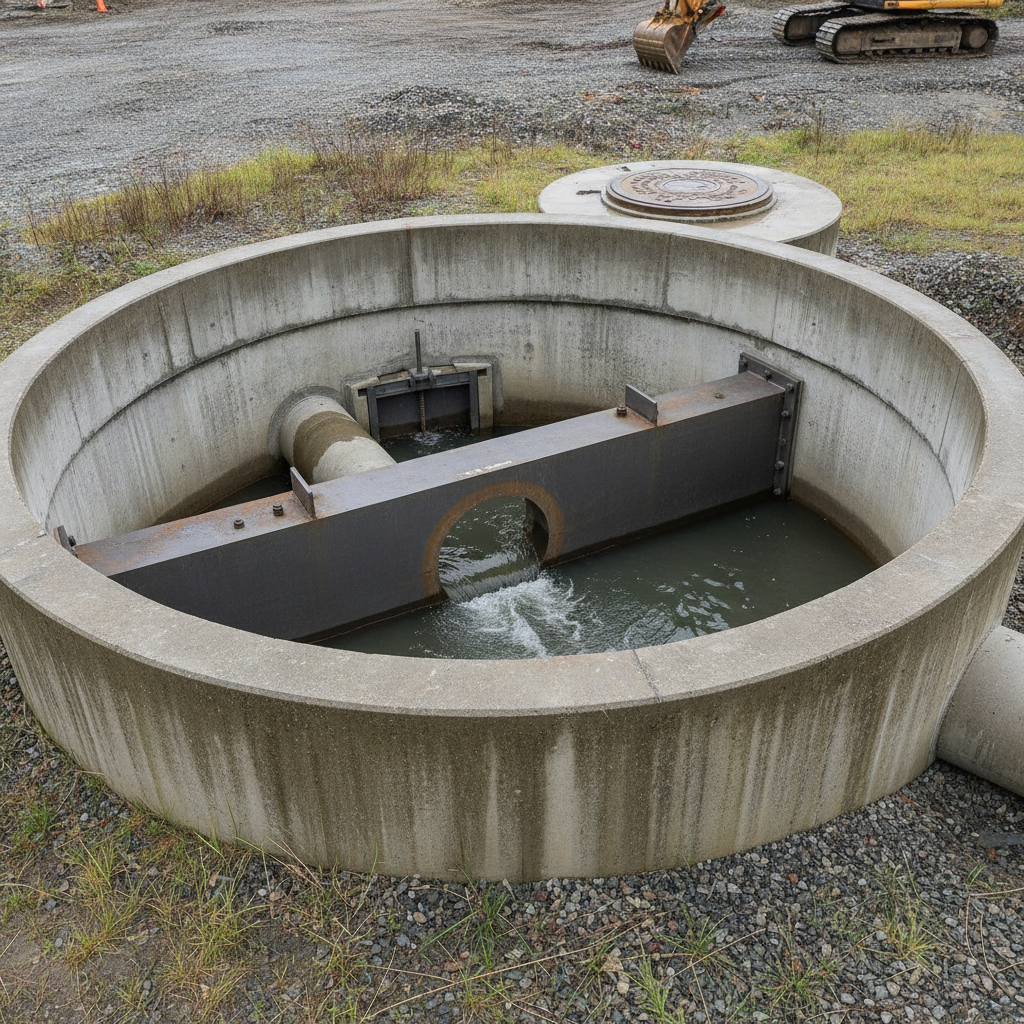
Stormwater detention vaults are engineered to manage runoff by temporarily storing excess water during heavy rainfall events. These structures are particularly beneficial in urban infill sites where space is limited. The vaults help mitigate flooding risks and reduce the burden on municipal stormwater systems. Key components of a detention vault include the storage chamber, inflow and outflow structures, and orifice control mechanisms. Proper sizing of these components is crucial to ensure effective performance and regulatory compliance.
Regulatory Requirements for Detention Vaults in Florida
Comparison of Detention Vault Sizing Criteria
| Criteria | Urban Infill Sites | Suburban Developments |
|---|---|---|
| Available Space | Limited, requiring compact designs | More expansive, allowing larger vaults |
| Runoff Volume | Higher due to impervious surfaces | Moderate, with natural absorption areas |
| Regulatory Compliance | Stringent, with focus on water quality | Standard, with emphasis on volume control |
| Construction Costs | Higher, due to complex designs | Lower, with simpler construction |
| Maintenance Requirements | Frequent, to ensure functionality | Less frequent, with easier access |
Florida’s regulatory framework for stormwater management is governed by both state and local agencies. The Florida Department of Environmental Protection (FDEP) and local water management districts set guidelines for the design and implementation of stormwater systems, including detention vaults. Key considerations include: Compliance with Environmental Resource Permits (ERP) Adherence to local zoning and land development regulations Ensuring stormwater quality treatment and volume control
Design Considerations for Vault Sizing
The design of a stormwater detention vault must account for several factors, including site-specific conditions, rainfall intensity, and soil characteristics. Engineers must conduct a thorough analysis to determine the appropriate vault size, ensuring it can accommodate peak runoff volumes. Factors influencing vault sizing include: Site topography and drainage patterns Soil permeability and geotechnical engineering assessments Projected land use and impervious surface area
Orifice Control and Flow Regulation
Orifice control is a critical component of detention vault design, regulating the outflow of stormwater to prevent downstream flooding. The size and placement of orifices must be carefully calculated to achieve the desired flow rates, balancing storage capacity with discharge requirements. Engineers use hydraulic modeling to simulate storm events and optimize orifice design, ensuring compliance with regulatory standards and minimizing environmental impact.
RSP Engineers’ Approach to Detention Vault Design
At RSP Engineers, we leverage our expertise in Florida civil engineering to deliver tailored solutions for stormwater management. Our approach involves a comprehensive analysis of site conditions, regulatory requirements, and client objectives to design efficient and compliant detention vaults. Our process includes: Conducting detailed site assessments and geotechnical soil reports Utilizing advanced hydraulic modeling tools Coordinating with local agencies for permitting and approvals
Common Issues in Detention Vault Projects
Despite their benefits, detention vault projects can encounter several challenges. Common issues include: Inadequate sizing leading to overflow and flooding Complex permitting processes and regulatory hurdles High construction and maintenance costs Addressing these challenges requires a proactive approach, involving thorough planning and collaboration with experienced professionals.
Contact RSP Engineers
For expert guidance on stormwater detention vault sizing and design, contact RSP Engineers. Our team of Florida Licensed Engineers specializes in stormwater management, site development, and permitting processes. We are committed to delivering efficient, compliant solutions tailored to your project’s needs.
Conclusion
Effective stormwater management is crucial for the success of urban infill projects in Florida. By understanding the intricacies of detention vault sizing and design, developers can mitigate flooding risks and ensure regulatory compliance. RSP Engineers is here to support your project with expert civil engineering services, from initial planning to construction and beyond.
FAQs
-
Factors include site topography, soil characteristics, rainfall intensity, and projected land use. Engineers must consider these elements to ensure effective stormwater management.
-
Orifice control regulates the outflow of stormwater, using strategically placed openings to manage discharge rates and prevent flooding.
-
Detention vaults must comply with Environmental Resource Permits (ERP) and local zoning regulations, focusing on water quality and volume control.