
How to Read the Florida Land Use Map
Explore the intricacies of the Florida Land Use Map and learn how to interpret it for successful land development projects. Essential for developers and engineers.
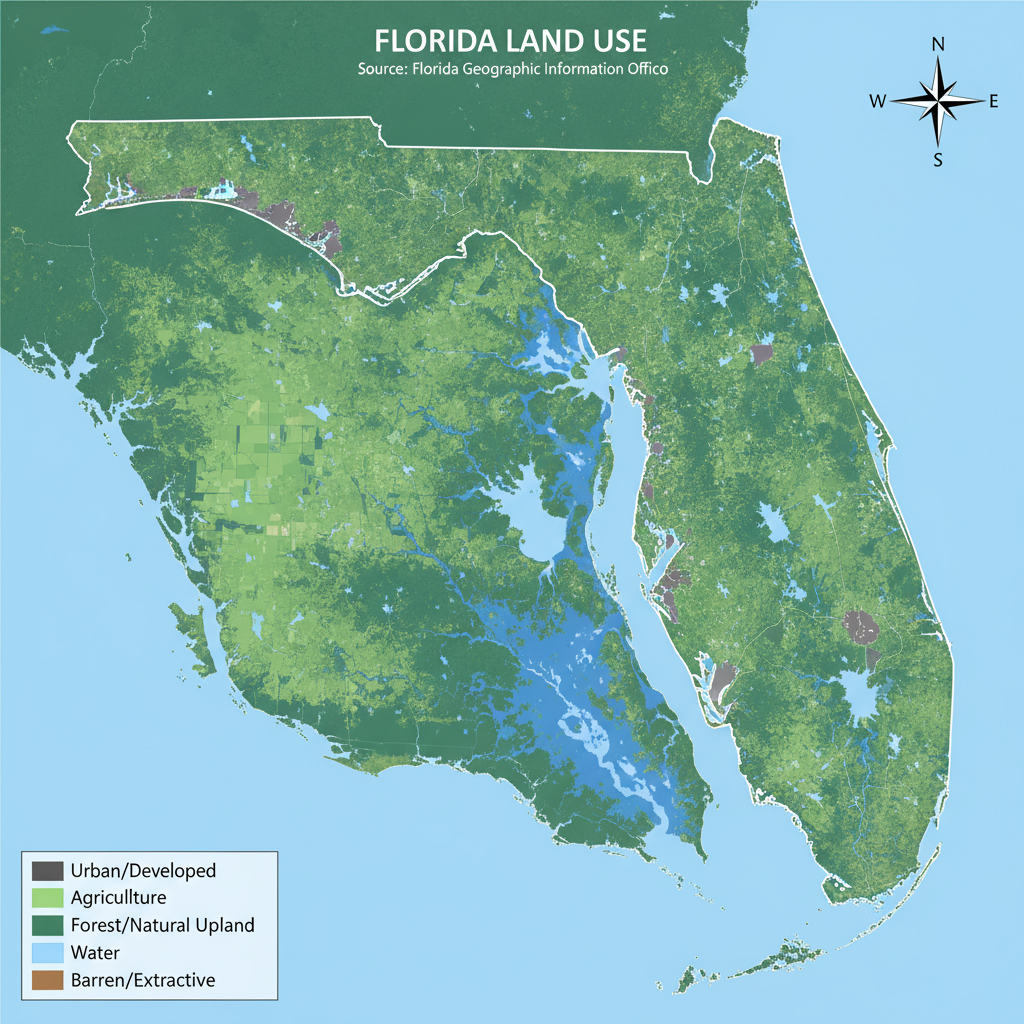
Understanding the Components of the Florida Land Use Map
The Florida Land Use Map is a comprehensive representation of the state’s zoning and land use designations. It includes various categories such as residential, commercial, industrial, agricultural, and conservation areas. Each category is color-coded for easy identification, allowing developers to quickly assess the suitability of a site for a particular type of development. Key components of the map include: Zoning districts: These define the types of activities permitted in each area, such as residential, commercial, or industrial use. Overlay districts: Special areas with additional regulations, often related to environmental protection or historical preservation. Future land use designations: Indicate planned changes in zoning to guide long-term development strategies.
How to Interpret Zoning and Land Use Designations
Key Features of the Florida Land Use Map
| Feature | Description | Importance |
|---|---|---|
| Zoning Districts | Defines permitted uses and development standards | Ensures project compliance with local regulations |
| Overlay Districts | Additional regulations for special areas | Protects environmental and historical resources |
| Future Land Use | Indicates planned zoning changes | Guides long-term development strategies |
| Color Coding | Visual representation of land use categories | Facilitates quick assessment of site suitability |
| Environmental Constraints | Identifies areas with development restrictions | Prevents legal and regulatory issues |
Interpreting the zoning and land use designations on the Florida Land Use Map requires a thorough understanding of local regulations and planning objectives. Each zoning district has specific requirements regarding building height, density, setbacks, and permitted uses. For instance, a residential zoning district may allow for single-family homes but restrict multifamily developments. Understanding these distinctions is crucial for developers to ensure their projects align with local planning goals and avoid costly delays during the permitting process.
Using the Florida Land Use Map for Site Selection
The Florida Land Use Map is an invaluable tool for site selection, helping developers identify areas that meet their project criteria. By analyzing the map, developers can determine the most suitable locations for their projects based on proximity to infrastructure, environmental considerations, and market demand. Key factors to consider during site selection include: Proximity to major transportation routes and utilities Environmental constraints such as wetlands or flood zones Compatibility with surrounding land uses
Florida Land Use Map: A Tool for Zoning Compliance
Ensuring zoning compliance is a critical aspect of any development project. The Florida Land Use Map provides a clear overview of zoning regulations, helping developers avoid potential conflicts with local authorities. By understanding the map’s designations, developers can design projects that meet all regulatory requirements, minimizing the risk of permit denials or legal challenges.
RSP Engineers’ Approach to Land Use Planning
At RSP Engineers, we leverage our expertise in civil engineering and land development to provide comprehensive site planning services. Our team conducts thorough analyses of the Florida Land Use Map to ensure projects are strategically aligned with zoning regulations and environmental considerations. We work closely with clients to navigate the complexities of the planning process, from initial site selection to final permit approvals.
Common Issues with Land Use Map Interpretation
Misinterpreting the Florida Land Use Map can lead to significant project delays and increased costs. Common issues include misunderstanding zoning regulations, overlooking environmental constraints, and failing to account for future land use changes. To avoid these pitfalls, developers should engage experienced professionals who can provide accurate guidance and support throughout the planning process.
Contact RSP Engineers
For expert guidance on interpreting the Florida Land Use Map and navigating the complexities of zoning compliance, contact RSP Engineers. Our team of Florida Licensed Engineers is ready to assist with your land development projects, from site plan design to construction administration. Reach out to us today to ensure your project is on the path to success.
Conclusion
The Florida Land Use Map is a vital resource for developers and engineers involved in land development projects. By understanding how to read and interpret this map, you can ensure zoning compliance, optimize site selection, and navigate the planning process with confidence. Engaging experienced professionals like RSP Engineers can further enhance your project’s success by providing expert guidance and support.
FAQs
-
The Florida Land Use Map serves as a planning tool to guide development by illustrating zoning and land use designations. It helps developers ensure compliance with local regulations and optimize site selection.
-
By analyzing the Florida Land Use Map, developers can assess site suitability based on zoning designations, proximity to infrastructure, and environmental constraints.
-
Overlay districts are special areas on the Florida Land Use Map with additional regulations, often related to environmental protection or historical preservation.