
Data Center Backup Utility Systems Explained
A technical guide to designing resilient data center backup utility systems. Learn how civil engineering supports standby generators, fuel storage, and water supply for continuous operation in Florida
The First Line of Defense: Redundant Utility Feeds
True redundancy begins before the property line. The most resilient data centers are served by dual, independent power feeds from separate utility substations. The civil engineer’s role is to facilitate this redundancy through meticulous site plan design and utility coordination. This involves designing separate, physically protected underground duct bank routes for each feed. The goal is to eliminate single points of failure; a single excavation accident or localized fault should not be able to compromise both power sources. Achieving this requires extensive upfront due diligence and negotiation with the local power authority. Our team works to identify viable connection points, secure necessary easements for off-site routing, and design on-site pathways that maintain required separation distances. The duct bank design itself must account for soil conditions, crossing existing utilities, and future site maintenance access, ensuring the infrastructure is as robust as the power it carries.
On-Site Power Generation: Standby Generator Systems
Backup Utility System Civil Design Considerations
| System Component | Key Civil/Site Design Task | Primary Permitting/Compliance Focus | Common Challenge |
|---|---|---|---|
| Dual Power Feeds | Underground duct bank routing and design; easement acquisition support. | Utility provider standards; local right-of-way permits. | Negotiating off-site easements and avoiding conflicts with existing utilities. |
| Standby Generators | Reinforced concrete pad design; acoustic enclosure analysis; access road design. | Florida Building Code; local noise ordinances; Geotechnical soil report. | Managing vibrational loads and meeting strict acoustic performance standards. |
| Bulk Fuel Storage | Tank foundation design; secondary containment (SPCC) design; tanker access planning. | FDEP storage tank rules; EPA SPCC regulations; local fire marshal review. | Balancing security requirements with safe and efficient refueling access. |
| Backup Water Tanks | Foundation design; overflow and drainage design; pump house layout. | Water Management District water use permits; local building permits. | Sizing the tank for the required autonomy without violating site coverage limits. |
| UPS/Switchgear Yards | Equipment pad design; site grading for drainage; security fencing and grounding grid coordination. | National Electrical Code (NEC) clearances; local zoning setbacks. | Ensuring proper electrical grounding is integrated with site civil features. |
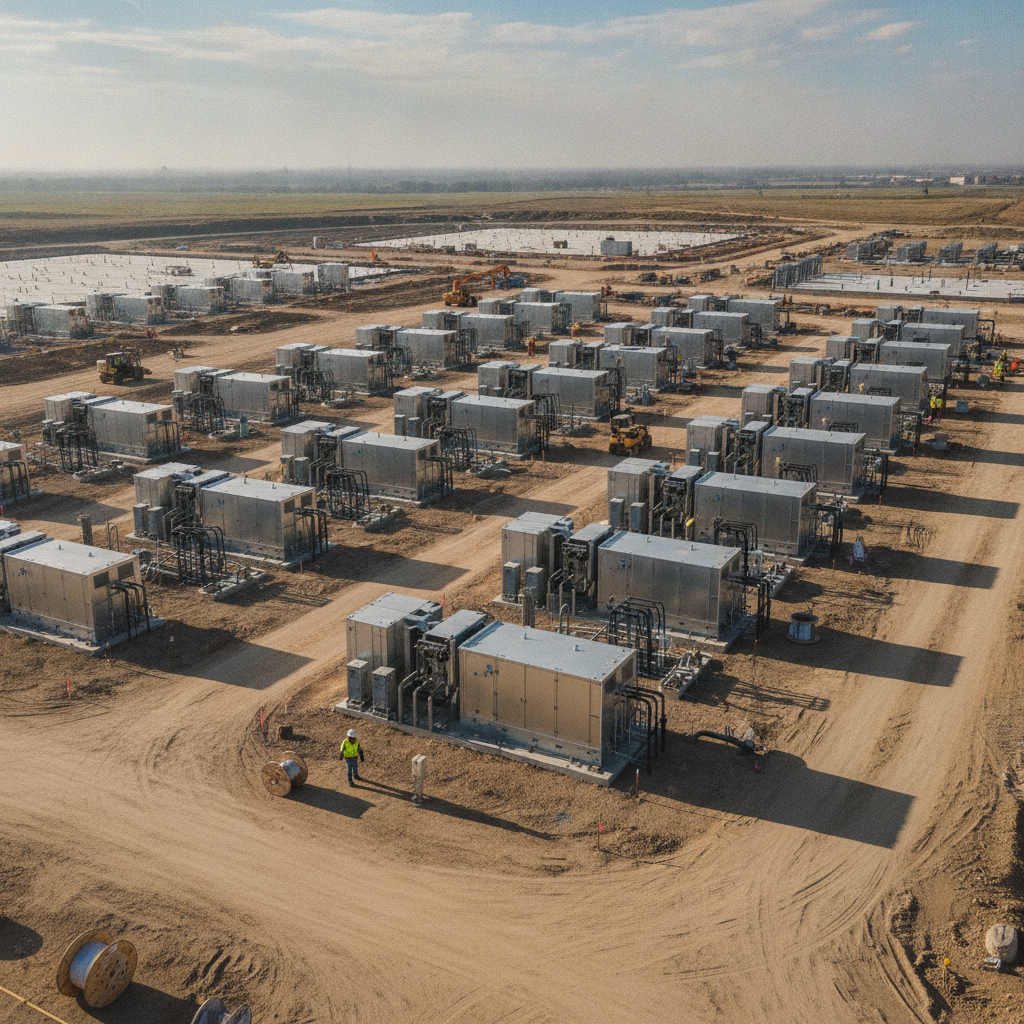
When both primary power feeds fail, the facility’s load is transferred to on-site standby generators. The civil engineering design for a generator yard is a critical component of site development. This is far more than just pouring a concrete slab. We design reinforced concrete equipment pads engineered to support the immense weight and dynamic vibrational loads of multiple industrial-scale generators. A Geotechnical engineer is engaged to perform a Soil boring test to ensure the foundation design is adequate for the site’s specific subsurface conditions. Furthermore, the site layout must accommodate significant logistical and regulatory requirements. This includes designing clear, robust access routes for generator delivery and maintenance, planning for sound attenuation walls to meet local noise ordinances, and integrating the generator yard with the overall site drainage design. Proper grading and drainage prevent water from pooling around sensitive electrical equipment, a crucial consideration in Florida’s high-rainfall environment. All of these elements require careful planning to secure permitting from local authorities.
Fueling Continuity: Backup Fuel Supply and Storage
Standby generators are useless without a reliable fuel source. Data center service level agreements (SLAs) often mandate a minimum of 24 to 96 hours of on-site fuel. The civil engineer is responsible for designing the infrastructure for bulk fuel storage, typically in large above-ground or underground storage tanks. This work is heavily regulated and requires a deep understanding of environmental compliance, including the development of Spill Prevention, Control, and Countermeasure (SPCC) plans. Our design process for fuel systems includes specifying foundations for tanks, designing secondary containment structures to capture any potential spills, and planning secure, all-weather access for tanker trucks. We perform detailed vehicle turning movement analyses to ensure fuel delivery can happen safely and efficiently without disrupting site operations. The integration of this critical infrastructure into the overall site engineering services plan is essential for both operational reliability and environmental permitting.
Cooling Resilience: Backup Water Sources and Storage
Continuous cooling is as critical as continuous power. Many large data centers rely on water-based cooling systems, such as chilled water loops and cooling towers. A disruption in the municipal water supply could lead to overheating and a forced shutdown. To mitigate this, we design backup water systems, which often consist of large on-site water storage tanks or, in some cases, permitted on-site wells. The civil engineering scope includes designing the tank foundations, pump houses, and the associated underground piping to connect to the facility’s cooling infrastructure. A key aspect of this is ensuring proper stormwater management and overflow design for the tanks. We also coordinate with regulatory agencies like Florida’s Water Management Districts to secure any necessary water use permits. This proactive approach to utility coordination ensures the cooling systems remain operational under any circumstances.
Integrating Systems: The Civil Engineer’s Role in Site Layout
A successful mission-critical facility is not just a collection of backup systems; it’s an integrated, resilient ecosystem. The civil engineer’s primary role is to orchestrate the physical layout of these systems on the site. This involves a complex balancing act of meeting operational needs, safety codes, and regulatory constraints. We must ensure adequate separation between fuel storage and ignition sources, provide secure yet accessible perimeters, and design roadways capable of handling heavy equipment for installation and maintenance. This holistic approach to site development considers everything from security fencing and vehicle crash barriers to ADA compliance for personnel access and ensuring that the overall site grading directs stormwater away from all critical infrastructure. Effective zoning compliance is paramount, as we must fit all these complex systems within the property’s setback and land use limitations, requiring careful negotiation and clear communication during the agency review process.
Our Process for Mission-Critical Site Design
At RSP Engineers, our approach to designing sites for data centers and other mission-critical facilities is built on a foundation of proactive collaboration and technical rigor. We begin with comprehensive due diligence to assess site viability, including utility availability, zoning constraints, and environmental factors. From there, our Civil Engineers work in lockstep with the client, architects, and MEP engineers to develop an integrated site plan design that prioritizes resilience and maintainability. Our process emphasizes early and continuous utility coordination with power, water, and communications providers to de-risk the project schedule. We manage the entire permitting process, from initial submittals to final approvals, ensuring a smooth path through complex agency review cycles. During construction, we provide Construction Management Services to ensure the design is executed flawlessly.
Common Pitfalls in Backup System Site Design
Even well-intentioned projects can encounter significant issues if site design is not handled with expertise. One common pitfall is underestimating the physical footprint required for backup systems, leading to cramped, difficult-to-maintain installations. Another is neglecting the logistical paths for fuel and equipment delivery, resulting in operational bottlenecks. In Florida, inadequate stormwater management is a frequent problem; a poorly designed drainage system can flood a generator yard and compromise the entire facility. Finally, failing to engage in early and detailed utility coordination can lead to major delays when it’s discovered that the required power or water capacity is not readily available at the site boundary.
Your Partner in Mission-Critical Site Development
Designing and permitting the site infrastructure for a data center requires a specialized skill set that goes beyond standard commercial development. The stakes are higher, the systems are more complex, and the tolerance for error is zero. RSP Engineers provides the expert site engineering services needed to navigate these challenges. From initial due diligence and site plan design to complex utility coordination and permitting, our team ensures your facility’s foundation is as resilient as the digital infrastructure it supports. Contact us today to discuss your mission-critical project needs.
Conclusion
The resilience of a data center is not just a function of its servers and software; it is built from the ground up. Thoughtful and experienced civil engineering is the critical discipline that integrates backup power, fuel, and water systems into a cohesive, reliable site. By focusing on robust site development, proactive utility coordination, and meticulous design, we create the physical foundation that guarantees uptime and protects our clients’ most valuable assets.
FAQs
-
The amount of on-site fuel is dictated by the facility’s required uptime guarantee or tier rating. It typically ranges from 24 to 96 hours of runtime at full load. The final decision impacts the size of the storage tanks and the complexity of the fuel storage compliance and permitting.
-
The primary challenge is often logistical and legal, not technical. Securing off-site easements from multiple property owners for a second utility route can be a lengthy and complex process. It requires significant upfront utility coordination and negotiation, which is a key service provided by experienced Civil Engineering firms.
-
Stormwater management is critical. The drainage design must prevent flooding of generator yards, switchgear pads, and fuel storage areas. Furthermore, the secondary containment structures for fuel tanks must be designed to capture spills while allowing for the controlled release of collected rainwater, which is a key part of environmental permitting.