
Civil Engineering Projects in Pinecrest: What to Know
Explore essential considerations for civil engineering projects in Pinecrest, Florida, including septic-to-sewer transitions, drainage on flat land, and local permitting processes.
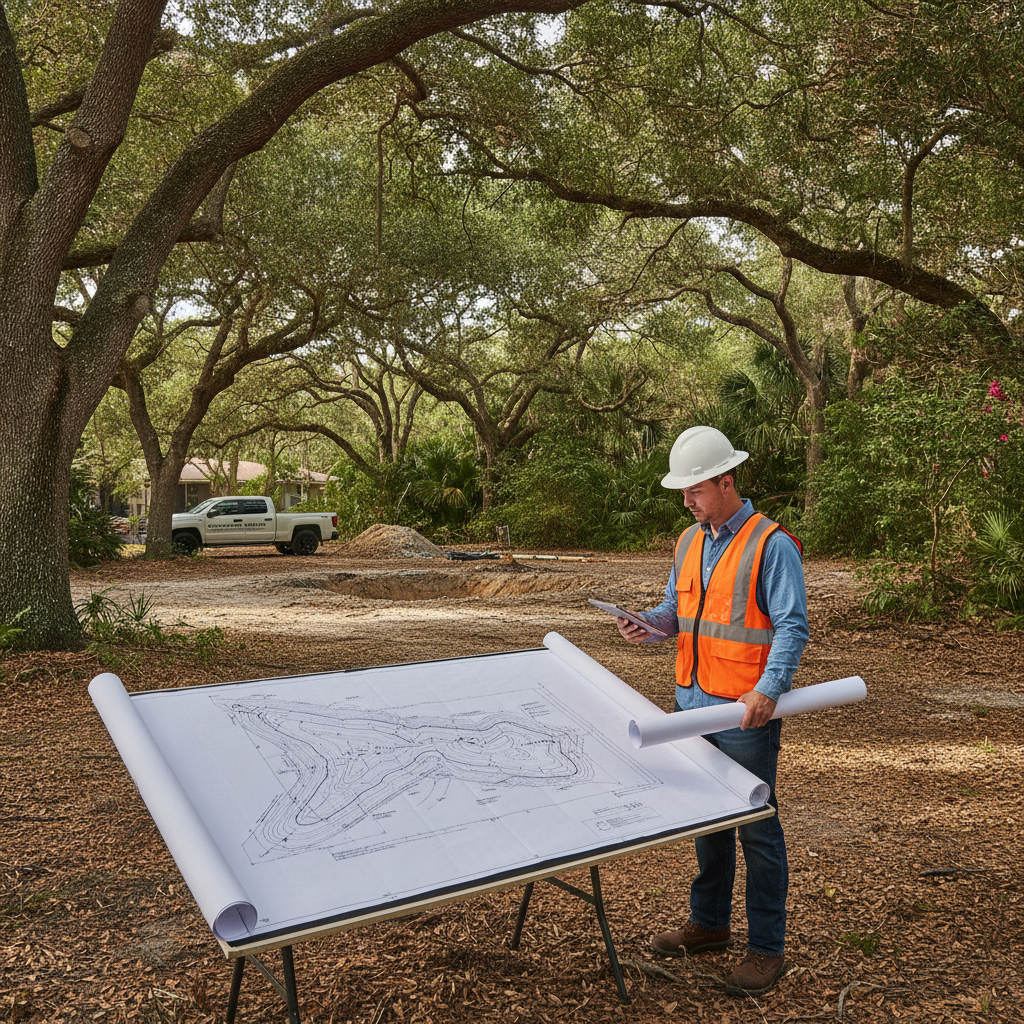
Understanding Pinecrest’s Large Estate Lots
Pinecrest is characterized by its expansive estate lots, which offer both opportunities and challenges for site development. The large lot sizes allow for creative design and landscaping, but they also require meticulous planning to address zoning and permitting requirements. Engineers must consider the impact of development on the surrounding environment, ensuring that projects align with the community’s aesthetic and ecological values. Key considerations include: Adhering to local zoning laws and setback requirements. Incorporating sustainable landscaping practices. Ensuring compliance with Florida Building Code and environmental regulations.
Septic-to-Sewer and On-Site Wastewater Considerations
Comparison of Septic-to-Sewer and On-Site Wastewater Systems
| Aspect | Septic System | Sewer Connection |
|---|---|---|
| Environmental Impact | Higher risk of groundwater contamination | Reduced environmental impact |
| Maintenance Requirements | Regular pumping and inspection | Minimal maintenance |
| Initial Cost | Lower initial cost | Higher initial cost |
| Long-Term Cost | Potentially higher due to maintenance | Lower long-term cost |
| Property Value | May decrease due to system limitations | Typically increases property value |
Many properties in Pinecrest rely on septic systems, but there is a growing trend towards septic-to-sewer conversions. This transition is crucial for improving water quality and reducing environmental impact. Engineers must navigate the complexities of connecting properties to municipal sewer systems, which involves detailed planning and coordination with local utilities. Considerations for septic-to-sewer projects include: Assessing the feasibility of connecting to existing sewer lines. Designing systems that minimize disruption to existing landscapes. Complying with local health and environmental regulations.
Drainage and Grading on Flat Low-Lying Land
Pinecrest’s flat, low-lying terrain poses specific challenges for drainage design. Effective drainage systems are essential to prevent flooding and manage stormwater runoff. Engineers must design solutions that account for the area’s unique topography and soil conditions. Key strategies include: Implementing retention and detention ponds to manage stormwater. Designing grading plans that promote natural water flow. Utilizing permeable surfaces to enhance water infiltration.
Significant Tree-Canopy and Landscape Protection
Pinecrest is renowned for its mature tree canopies and lush landscapes, which require careful protection during site development. Engineers must work closely with arborists and landscape architects to preserve these natural assets while accommodating new construction. Important considerations include: Identifying and protecting significant trees during construction. Incorporating tree protection zones into site plans. Utilizing sustainable landscaping practices to enhance biodiversity.
Local Permitting and Review Process
The permitting process in Pinecrest involves multiple layers of review to ensure compliance with local, state, and federal regulations. Engineers must prepare comprehensive permit submittals that address all aspects of the project, from environmental impact to structural integrity. Steps in the permitting process include: Submitting detailed site plans and engineering reports. Coordinating with local agencies for review and approval. Addressing any review comments and making necessary revisions.
RSP Engineers’ Approach to Pinecrest Projects
At RSP Engineers, we understand the unique challenges of civil engineering projects in Pinecrest. Our team of experienced professionals is dedicated to providing comprehensive site engineering services that address the specific needs of each project. We prioritize sustainable design, effective stormwater management, and compliance with all relevant regulations. Our approach includes: Conducting thorough site assessments to identify potential challenges. Developing customized solutions that align with client goals and community standards. Coordinating with local agencies to streamline the permitting process.
Common Issues in Pinecrest Civil Engineering Projects
Despite careful planning, civil engineering projects in Pinecrest can encounter several common issues. These include unexpected site conditions, delays in the permitting process, and challenges related to environmental compliance. Addressing these issues requires proactive communication and problem-solving skills. Common issues include: Unforeseen soil conditions affecting foundation design. Delays in obtaining permits due to complex review processes. Challenges in balancing development with environmental preservation.
Contact RSP Engineers
For expert guidance on civil engineering projects in Pinecrest, contact RSP Engineers. Our team specializes in site development, stormwater management, and navigating the local permitting process. Let us help you achieve your project goals while maintaining compliance with all relevant regulations.
Conclusion
Undertaking civil engineering projects in Pinecrest requires a deep understanding of local conditions and regulations. From septic-to-sewer conversions to drainage design on flat terrain, each project presents unique challenges that demand expert solutions. By partnering with experienced professionals like RSP Engineers, developers can navigate these complexities and achieve successful outcomes.
FAQs
-
The main challenges include coordinating with local utilities, assessing the feasibility of connecting to existing sewer lines, and ensuring compliance with environmental regulations.
-
The flat terrain requires innovative drainage design solutions, such as retention ponds and permeable surfaces, to effectively manage stormwater runoff.
-
The process involves submitting detailed site plans, coordinating with local agencies, and addressing any review comments to ensure compliance with all regulations.