
Case Study: How We Fast-Tracked a 12-Lot Subdivision in Florida
Discover the strategies RSP Engineers used to expedite the permitting and development of a 12-lot subdivision in Florida, overcoming common zoning and utility hurdles.
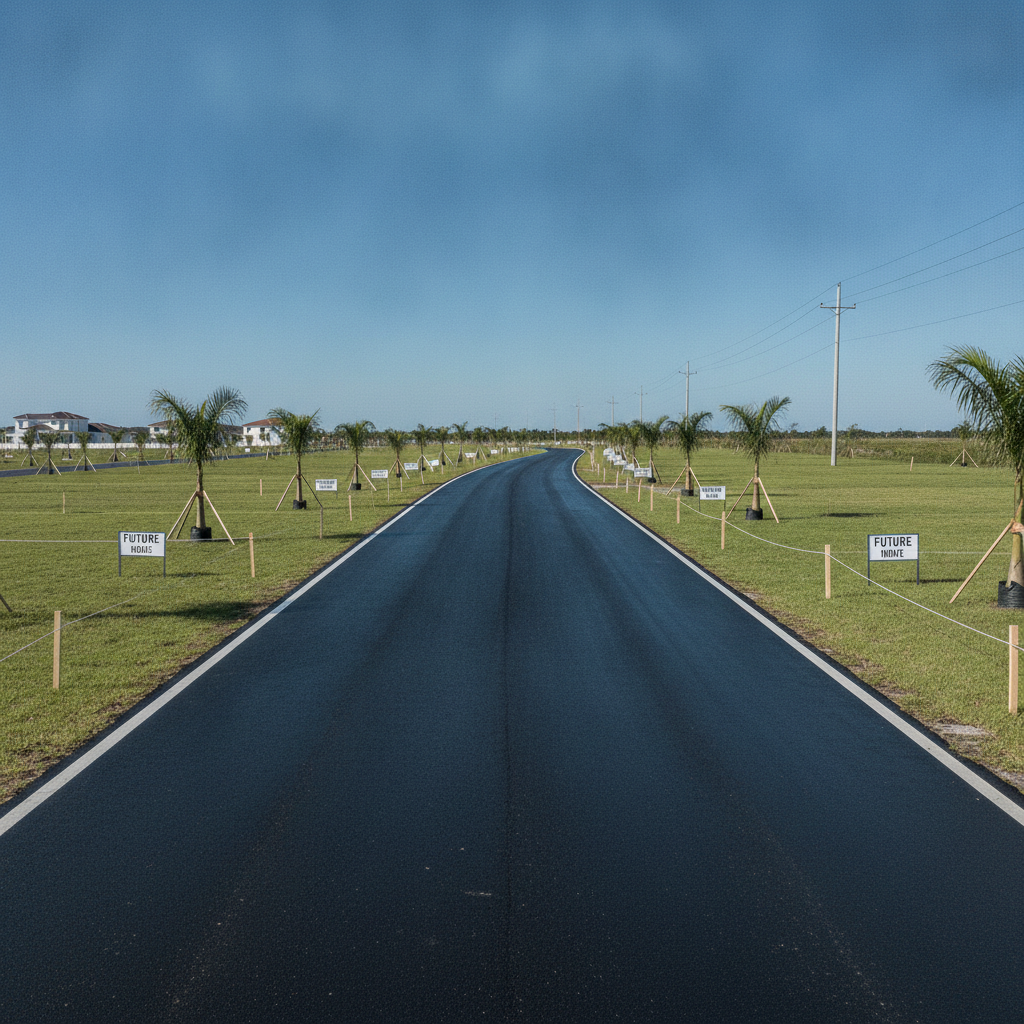
Initial Project Scoping and Due Diligence
The foundation of any fast-tracked project is meticulous upfront investigation. Before a single line was drawn, our team conducted a comprehensive due diligence analysis. This involved more than just a boundary survey; we performed a deep dive into the property’s history, municipal records, and potential constraints. We verified the existing zoning compliance and confirmed that the proposed density was permissible under the current land use designation, avoiding a lengthy and uncertain rezoning process. A critical early step was obtaining utility availability letters from local providers for water, sewer, and power. This confirmed capacity and identified connection points, which is essential for an efficient site plan design. We also conducted a preliminary geotechnical assessment and a high-level drainage design analysis to identify potential soil issues or stormwater challenges. This proactive approach allowed us to address potential red flags before they could derail the permitting timeline, providing the developer with a clear and realistic path forward.
Navigating Preliminary Plat and Zoning Requirements
Critical Path Comparison: Standard vs. Expedited Subdivision Approval
| Phase | Standard Timeline Approach | RSP's Expedited Strategy |
|---|---|---|
| Due Diligence & Feasibility | Basic zoning check; utility availability requested after preliminary design. | Comprehensive zoning, utility, drainage, and geotechnical analysis upfront. Pre-application meeting scheduled. |
| Preliminary Plat Submittal | Submit plat based on conceptual layout; wait for agency comments to address issues. | Submit a highly detailed plat with supporting documents addressing anticipated agency concerns. |
| Utility Agency Coordination | Sequential coordination after initial site plan approval, often leading to redesigns. | Parallel utility coordination from day one, integrating provider requirements into the initial design. |
| Stormwater & ERP Submittal | Submit ERP application after receiving initial comments on the site plan. | Prepare and submit a complete ERP application concurrently with other permit submittals. |
| Final Engineering & Plat | Address comments from each agency sequentially, leading to multiple revision cycles. | Manage concurrent reviews and provide rapid, consolidated responses to all agency comments. |
| Construction Start | Delayed by lengthy review cycles and late-stage design changes. | Enabled by efficient approvals, allowing mobilization as soon as the plat is recorded. |
With due diligence complete, we moved to the preliminary plat stage. Our goal was to submit a package so complete and well-documented that it would minimize review comments from the local planning department. We held a pre-application meeting with municipal staff to discuss our approach to key issues like lot layout, access points, and sidewalk connectivity. This collaborative step helped align our design with the reviewers’ expectations, building goodwill and streamlining the formal agency review process. Our submittal included detailed exhibits demonstrating compliance with all local land development codes, from minimum lot sizes and setbacks to internal roadway geometry. We paid special attention to ensuring all proposed sidewalks and curb ramps were designed for full ADA compliance from the outset. By anticipating potential questions and providing clear justifications for our design choices, we reduced the number of revision cycles, a common source of delay in the site development process.
Integrated Site, Drainage, and Utility Design
Efficiency is lost when design disciplines work in silos. Our strategy centered on an integrated approach where site grading, drainage design, and utility layouts were developed concurrently. This prevented the common problem of a utility line conflicting with a proposed storm pipe or a grading plan that negatively impacts drainage patterns. This holistic view is a core service of experienced Civil Engineering Firms like ours. For this project, we designed a compact stormwater management system that met the stringent requirements of both the local municipality and the regional Water Management District (WMD). By optimizing the layout, we were able to preserve more usable land for the developer. The utility coordination was managed in parallel, with constant communication between our team and the utility providers to finalize service routes and connection details, ensuring that the final engineering plans were fully synchronized and ready for a single, comprehensive submittal.
Proactive Stormwater Management and ERP Permitting
In Florida, stormwater management is one of the most significant technical and regulatory hurdles in land development. A delay in securing the Environmental Resource Permit (ERP) from the WMD can halt a project indefinitely. Recognizing this, we prioritized the ERP application, preparing a robust stormwater model and a detailed report that clearly demonstrated compliance with water quality and quantity regulations. Our design focused on a low-impact development approach that was both effective and easier to permit. Our deep familiarity with the WMD’s criteria allowed us to prepare a permit submittals package that was technically sound and administratively complete. We included all necessary calculations, supporting documents, and environmental considerations in the initial submission. This thoroughness prevented the back-and-forth of Requests for Additional Information (RAIs), which can add months to an ERP review. This is a key differentiator for a Professional Engineer focused on Florida land development.
Streamlining Final Plat and Construction Plan Approval
The final plat is the legal instrument that creates the new lots, and its approval is contingent on the acceptance of the final construction plans. Having secured conceptual approvals and the ERP, we compiled the final engineering documents for review by all relevant agencies, including public works, utilities, and fire rescue. Our integrated design process ensured consistency across all plan sets, from paving and grading to utility profiles and landscaping. We bundled the permit submittals to allow for concurrent reviews where possible, a key time-saving strategy. Our team actively managed the review process, responding to agency comments within days, not weeks. This rapid response, combined with the high quality of the initial submittal, kept the project moving forward. The result was a seamless transition from engineering approval to final plat recordation, positioning the developer for a timely construction start.
Key Design Decisions for Construction Efficiency
A fast-tracked design is only successful if it leads to efficient construction. Our engineering plans were developed with constructability in mind. We optimized the site grading to balance cut and fill, minimizing the need to import or export soil, which is a major cost and time factor. The roadway engineering design specified standard, readily available materials and construction methods to avoid supply chain delays. Furthermore, the utility coordination extended to providing clear and unambiguous connection details in the plans, reducing the potential for field errors or conflicts. We also ensured that all elements requiring ADA compliance, such as sidewalk cross slopes and curb ramp locations, were explicitly detailed to prevent costly rework during construction. These practical design considerations are a hallmark of effective site engineering services and were crucial for maintaining the project’s accelerated schedule through the build phase.
Our Process: The Subdivision Acceleration Framework
At RSP Engineers, our approach to fast-tracking projects like this 12-lot subdivision is built on a four-part framework. First is the Discovery and Strategy Phase, where we perform the intensive due diligence to de-risk the project. Second is the Integrated Design Phase, where our civil engineers collaborate on site, utility, and drainage plans simultaneously. Third is the Proactive Permitting Phase, where we leverage our agency relationships and expertise to prepare complete submittals designed for first-pass approval. Finally, our Construction Administration and Support Phase ensures that the design is executed efficiently in the field, with our team ready to resolve any issues that arise swiftly.
Common Issues in Subdivision Development
Even with careful planning, subdivision projects can face hurdles. The most common issues we see include unexpected environmental constraints (like discovering protected wetlands), conflicting feedback from different review agencies, and unforeseen utility conflicts requiring significant redesign. Another frequent problem is incomplete permit submittals that lack the required technical data, leading to immediate rejection or long delays. A developer’s failure to secure adequate financing or bonding in a timely manner can also stall an otherwise approved project. Our proactive framework is designed to identify and mitigate these risks early, but flexibility and expert problem-solving are always essential.
Accelerate Your Next Land Development Project
Navigating the complexities of subdivision development in Florida requires more than just a set of plans; it requires a strategic partner dedicated to your project’s success. The team at RSP Engineers specializes in proactive site development, streamlined permitting, and meticulous utility coordination to keep your project on schedule and on budget. If you are planning a residential or commercial development, contact us today to discuss how our expertise can bring certainty and efficiency to your project.
Conclusion
The successful fast-tracking of this 12-lot subdivision was not a matter of luck, but the result of a deliberate and experienced-based strategy. By prioritizing comprehensive due diligence, integrated design, and proactive agency communication, we transformed a potentially lengthy process into a streamlined success for our client. This case study demonstrates that with the right Florida civil engineering partner, developers can confidently navigate the regulatory landscape, mitigate risks, and accelerate their return on investment through expert site plan design and diligent construction administration.
FAQs
-
The most common delay stems from incomplete or inaccurate permit submittals. When an application lacks the required stormwater calculations, utility details, or fails to address specific municipal code requirements, it triggers multiple rounds of comments and revisions from the agency review staff, adding months to the timeline.
-
A developer should engage a firm like RSP Engineers during the initial due diligence period, even before the land is under contract. Early involvement allows us to identify fatal flaws, verify zoning compliance, and develop a realistic budget and timeline, which provides significant leverage in negotiations and project planning.
-
No reputable engineering firm can guarantee a specific approval date, as we do not control agency review queues or policy changes. However, our proactive methodology, deep understanding of Florida regulations, and commitment to quality control significantly reduce the risk of delays and position projects for the fastest possible approval under the given regulatory framework.