
Data Center Building Permit Process: A Step-by-Step Guide
A step-by-step guide to the data center building permit process in Florida. Learn about civil engineering, site plans, stormwater, and utility coordination from RSP Engineers.
Pre-Application Diligence and Site Selection
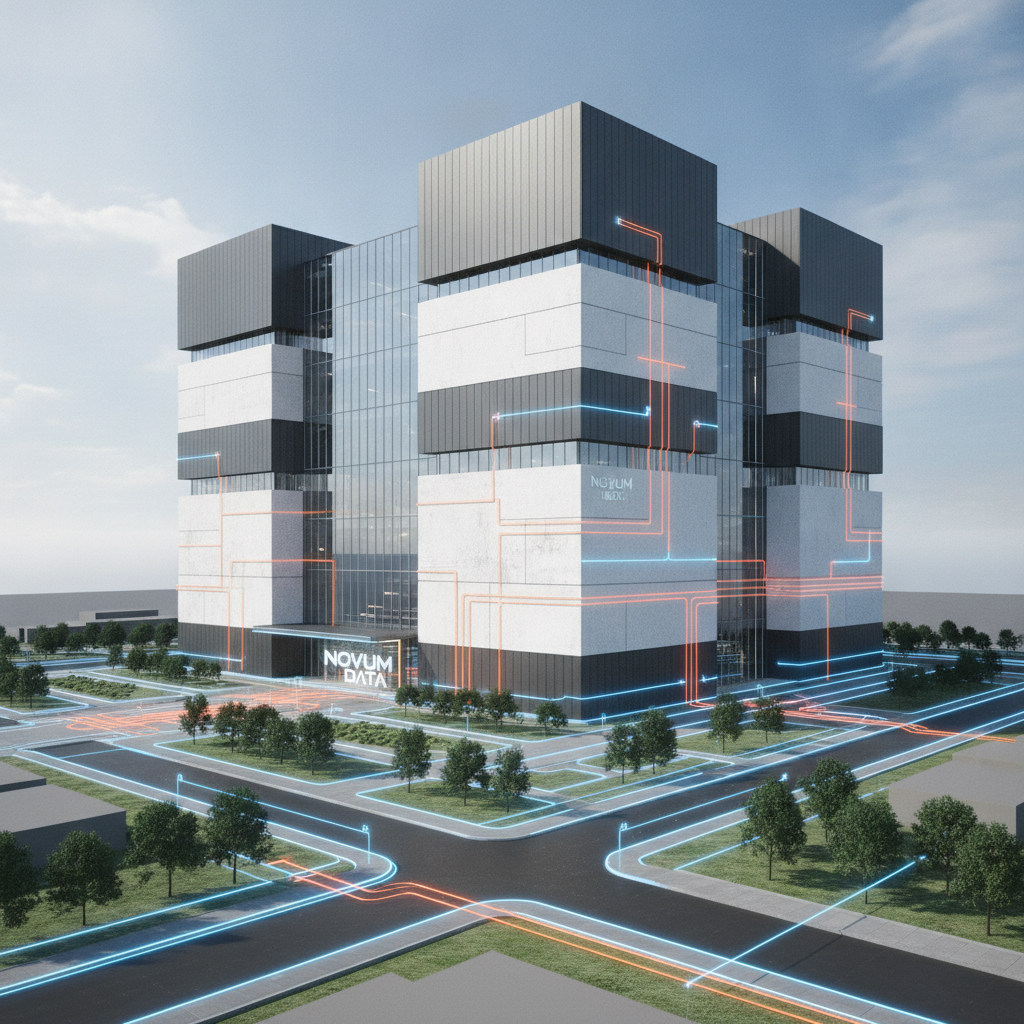
The foundation of a successful data center project is laid long before any plans are drawn. The pre-application phase is a critical period of due diligence where the viability of a potential site is rigorously evaluated. The primary hurdle is confirming that the property’s zoning classification allows for such an intensive industrial use. This involves a thorough review of local land development codes and comprehensive plans to ensure zoning compliance. We analyze permitted uses, setback requirements, height limitations, and any specific overlay districts that could impact the design. Equally important is a preliminary assessment of utility availability. Data centers have an insatiable appetite for power and water. Our initial investigation confirms the capacity of nearby electrical substations, the feasibility of running redundant power feeds, the availability of high-capacity water mains for cooling systems, and access to robust fiber optic networks. This early utility coordination with providers like FPL, Duke Energy, and local water authorities is crucial for identifying potential deal-breakers before significant capital is invested in a property. This phase sets the stage for the entire land development process.
Comprehensive Site Plan Design and Engineering
Key Permitting Milestones for Data Center Development
| Milestone | Key Civil Engineering Deliverables | Primary Reviewing Agencies |
|---|---|---|
| Due Diligence & Zoning Verification | Zoning Conformance Report, Preliminary Utility Capacity Study, Environmental Constraints Map | Local Planning & Zoning Department, Utility Providers |
| Preliminary Site Plan / PUD Application | Conceptual Site plan design, Preliminary Grading & Drainage Plan, Traffic Statement | Local Planning Commission, City/County Commission |
| ERP / Stormwater Permitting | Detailed Stormwater Management Report, Hydrologic Modeling, Environmental Impact Analysis, Construction Drawings | Water Management District (WMD), FDEP |
| Final Construction Documents | Complete Civil Engineering Plans (Grading, Paving, Utilities, Stormwater), Geotechnical Report | Local Building Department, Public Works, Engineering Services |
| Utility Service Agreements | Final Utility Load Letters, On-site & Off-site Utility Design Plans, Easement Documents | Electric, Water/Sewer, and Communications Utilities |
| Roadway & Access Permits | Traffic Impact Analysis, Turn Lane & Driveway Connection Designs, MOT Plans | Local Public Works, County Engineering, FDOT |
Once a site is selected, the focus shifts to creating a comprehensive Site plan design. This is the master document that illustrates every aspect of the proposed development and serves as the basis for most permit applications. For a data center, the site plan design must balance operational security, logistical efficiency, and regulatory compliance. Key components include the precise building footprint, parking layouts for employees and equipment staging, secure access points, perimeter fencing, and loading areas. The engineering behind the site plan involves detailed grading and drainage design to ensure positive water flow away from critical infrastructure. We meticulously plan the routing for the complex network of underground utilities, including primary and redundant power conduits, water lines for cooling towers, sanitary sewer, and fiber optic ducts. This phase requires close collaboration between our Civil Engineers and the project’s architectural and MEP (Mechanical, Electrical, Plumbing) teams to ensure the site layout supports the facility’s technical requirements while meeting all local and state codes, including ADA compliance for all pedestrian pathways.
Navigating Stormwater and Environmental Permitting
Data centers create vast impervious areas, including massive rooftops and extensive pavement for service yards and parking. In Florida’s rain-intensive climate, managing the resulting runoff is a primary regulatory concern. A robust stormwater management system is not just a permitting requirement; it’s essential for protecting billions of dollars in server equipment from flooding. The design must adhere to the stringent criteria of the local Water Management District (WMD) and the Florida Department of Environmental Protection (FDEP), typically requiring an Environmental Resource Permit (ERP). Our drainage design process involves sophisticated hydrological modeling to calculate runoff volumes and design appropriate mitigation features. This often includes large-scale dry retention or wet detention ponds, underground exfiltration systems, and other Best Management Practices (BMPs) to treat and attenuate stormwater before it leaves the site. The permit submittals for an ERP are extensive, requiring detailed drainage calculations, environmental impact assessments, and a comprehensive operations and maintenance plan to ensure the system functions as designed for the life of the facility.
Utility Coordination for High-Demand Infrastructure
Securing adequate utilities for a data center goes far beyond a simple service application. It is an intensive, long-lead process of negotiation and engineering collaboration with multiple utility providers. The most critical component is power. We facilitate in-depth utility coordination with the electric company to plan for dedicated substations, diverse and redundant power feeds from separate grids, and the complex network of underground duct banks required to deliver megawatts of reliable energy. This process often requires the developer to grant extensive utility easements across the property. Beyond power, we coordinate with water and wastewater authorities to secure sufficient capacity for cooling systems (which can use millions of gallons of water per day) and for domestic sanitary service. This involves hydraulic modeling to confirm that existing municipal mains can handle the demand and designing any necessary off-site improvements. The agreements and plans resulting from this agency review process are critical prerequisites for obtaining building permits. A failure in early and continuous utility coordination is one of the most common causes of major project delays.
Addressing Traffic, Access, and Roadway Engineering
While data centers do not generate the high daily traffic volumes of retail or office developments, they still require careful transportation planning. The initial construction phase involves heavy truck traffic for materials delivery and equipment installation, which can impact surrounding roadways. A traffic impact analysis may be required by the local municipality or the Florida Department of Transportation (FDOT) to identify necessary mitigation, such as the construction of new turn lanes or the strengthening of existing access roads. Our roadway engineering team designs on-site and off-site improvements to ensure safe and efficient access for both construction and long-term operations. This includes designing entrance aprons that meet commercial standards, ensuring adequate turning radii for large trucks, and verifying that site circulation patterns are logical and safe. All pedestrian facilities, including sidewalks from parking areas to building entrances, must be designed for full ADA compliance. These plans are submitted to public works and engineering departments for a thorough agency review.
The Building Permit Submittal and Agency Review Cycle
With site-level approvals for zoning, stormwater, and utilities in place, the final step is the building permit application itself. This is a comprehensive package that consolidates all civil, architectural, structural, and MEP plans. The local building department acts as the central coordinator, routing the plans to various internal departments for concurrent review. This includes the Planning Department for zoning and landscape compliance, Public Works for utilities and drainage, and the Fire Marshal for life safety and emergency access. Each department conducts its own agency review to ensure the plans comply with the Florida Building Code, local ordinances, and previously approved site plans. Reviewers often issue comments requiring clarification or design modifications. Our role as the Professional Engineer of record is to efficiently respond to these comments, providing revised drawings and supporting calculations to demonstrate compliance. Successfully managing these permit submittals and the subsequent back-and-forth communication is key to keeping the project on schedule for groundbreaking.
How RSP Engineers Streamlines Data Center Permitting
At RSP Engineers, we understand that time is money, especially for data center projects. Our approach is built on proactive communication and deep technical expertise. We engage with regulatory agencies early in the design process to identify potential issues and establish a clear path to approval. Our integrated team of Civil Engineers works in parallel, advancing the site plan design, drainage design, and utility plans simultaneously to shorten the overall timeline. We act as the central point of contact for all site-related permitting, managing the complex web of permit submittals to various local and state agencies. Our experience with Florida’s unique regulatory landscape allows us to anticipate reviewer comments and prepare thorough, defensible engineering reports that minimize back-and-forth cycles. From initial due diligence through construction administration, we provide the expert guidance needed to navigate the complexities of data center site development.
Common Pitfalls in Data Center Permitting
Even with expert planning, data center projects can encounter significant hurdles. One of the most common pitfalls is underestimating the lead time for high-capacity power delivery. Securing a new substation and redundant feeds can take 18-24 months or longer, a timeline that must be factored into the project schedule from day one. Another frequent issue is discovering unforeseen environmental constraints, such as wetlands or protected species habitat, which can trigger lengthy and costly mitigation requirements. Incomplete submittal packages are another source of major delays. A single missing document or calculation in an ERP application or building permit submittal can stop the review clock for weeks. Finally, failing to account for the cumulative impact of site design choices on stormwater management can lead to extensive redesigns late in the process. A holistic approach that considers all engineering disciplines from the outset is the best defense against these common and costly pitfalls.
Your Partner for Mission-Critical Development
Navigating the complexities of data center permitting in Florida requires a specialized engineering partner. RSP Engineers provides the comprehensive site engineering services needed to take your project from concept to reality. Our team has the expertise to manage complex utility coordination, design resilient stormwater management systems, and secure all necessary local and state permitting approvals. We are one of the leading Civil Engineering firms equipped to handle the unique demands of mission-critical facilities.
Conclusion
The path to developing a data center in Florida is intricate and demanding, with little room for error. Success depends on a strategic, forward-looking approach that prioritizes thorough due diligence, integrated engineering, and proactive agency engagement. By addressing critical elements like zoning compliance, utility coordination, and stormwater management early and effectively, developers can mitigate risk and streamline the path to construction. A robust site plan design backed by sound civil engineering is the blueprint for a successful and resilient data center project.
FAQs
-
The full entitlement and permitting process for a data center in Florida, from site selection to having a building permit in hand, typically ranges from 12 to 24 months. The timeline is heavily influenced by the complexity of the site, the lead time for utility coordination (especially power), and the specific agency review cycles of the local jurisdiction and Water Management District.
-
The two biggest challenges are typically stormwater management and utility infrastructure. The vast impervious surfaces require massive, sophisticated drainage systems to prevent flooding and meet strict environmental regulations. Simultaneously, securing and designing the infrastructure for the enormous and highly reliable power and cooling water demands is a complex feat of utility coordination and engineering.
-
Yes, in most cases. Data centers are intensive industrial uses and are generally permitted only in specific zoning districts, such as ‘Industrial’ or ‘Planned Unit Development’ (PUD). Achieving zoning compliance is a critical first step, and sometimes requires a rezoning or special exception process, which adds time and complexity to the project entitlement phase.