
Spill Prevention Planning for Data Center Generator Yards
A guide to spill prevention, control, and countermeasure (SPCC) planning for data center generator yards. Learn about containment design, stormwater integration, and regulatory compliance.
Triggering SPCC Plan Requirements
The primary federal regulation governing on-site fuel storage is the Spill Prevention, Control, and Countermeasure (SPCC) rule, administered by the U.S. Environmental Protection Agency (EPA). The need for a formal SPCC plan is not based on the size of a single tank, but on the aggregate aboveground oil storage capacity of the entire facility. A plan is typically required if a facility has a total aboveground storage capacity greater than 1,320 U.S. gallons in containers of 55 gallons or more. This threshold is easily met by data centers, which often have multiple large-capacity diesel tanks. The term “oil” under this rule is broad and includes petroleum products like diesel fuel, gasoline, and lubricating oils. The SPCC plan is a detailed document that outlines how the facility is designed and operated to prevent oil spills from reaching navigable waters. It requires a thorough analysis of the site, equipment, and procedures, forming the foundation for all subsequent environmental compliance and design decisions related to the generator yard.
Designing Secondary Containment Structures
Key Components of a Data Center SPCC Plan
| Component | Design Consideration | Compliance Objective |
|---|---|---|
| Secondary Containment | Sized for the largest tank plus precipitation freeboard. Constructed from reinforced, impermeable concrete with sealed joints. | Physically contain a worst-case spill, preventing release into the environment and protecting soil and groundwater. |
| Drainage Control | Manually operated, normally-closed valve for rainwater discharge. Sloped interior surfaces to a low-point sump. | Prevent the discharge of contaminated stormwater and facilitate the safe removal of clean rainwater. |
| Fuel Transfer Area | Paved, sloped pad to contain small drips and spills during delivery. Clear procedures for attended transfers. | Minimize risks associated with the most frequent fuel handling activity and ensure immediate containment of delivery-related spills. |
| Inspection & Records | Scheduled visual inspections of tanks, pipes, and containment. Formal integrity testing at required intervals. Detailed logs. | Proactively identify and correct potential system failures. Document compliance with SPCC regulations for agency review. |
| Spill Response Kit | Stocked with absorbents (booms, pads), PPE, and tools. Located in a clearly marked, accessible location. | Enable a rapid and effective initial response to a spill, minimizing its spread and environmental impact. |
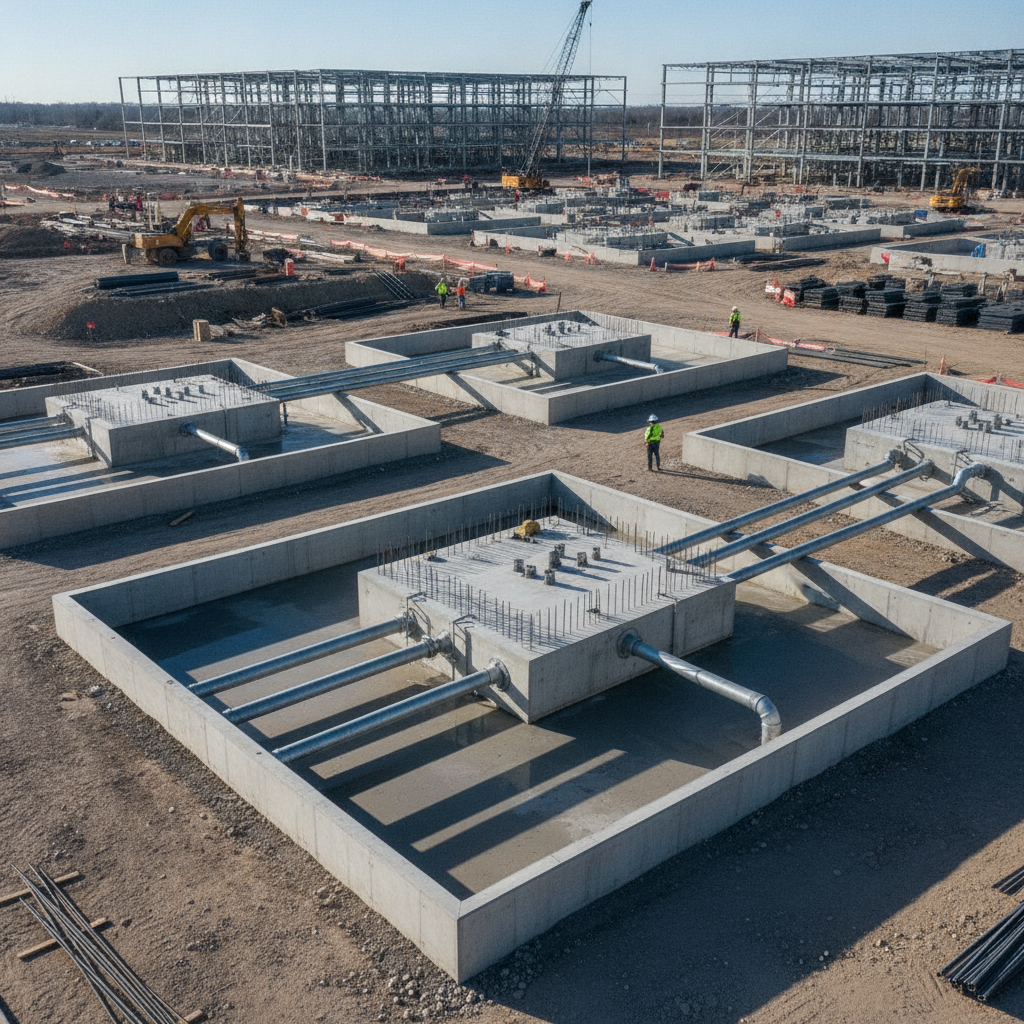
The cornerstone of a physical spill prevention strategy is secondary containment. This is a structural system designed to capture the entire volume of a potential spill from a tank or its piping. For generator yards, this typically involves constructing a reinforced concrete basin or a curbed pad around the generator and fuel tank area. The design must provide sufficient volume to hold the contents of the largest single tank, plus an additional volume, known as freeboard, to account for precipitation from a significant storm event. The engineering design of these structures is a critical civil engineering task, involving structural calculations for the containment walls and slab, selection of fuel-resistant joint sealants, and coatings to ensure impermeability. Containment volume requirements, particularly the specified design storm event for precipitation freeboard, often vary by jurisdiction, and every project team should confirm the applicable standards with the local, state, regional, and federal authorities that hold review authority over the site. Proper site grading within the containment area is also essential to direct any spills away from equipment and towards a low-point sump for easier management.
Integrating Containment with Site Grading and Stormwater Management
A generator yard’s containment system cannot exist in isolation; it must be seamlessly integrated with the overall site stormwater management plan. A common challenge is managing accumulated rainwater within the containment area. Discharging oily water into the storm sewer system is a violation of environmental regulations, including the Clean Water Act and associated NPDES permit requirements. The standard solution is a manually operated drainage valve that remains in the “normally closed” position. This ensures that no liquid can leave the containment area without deliberate action. Facility personnel must first inspect the collected rainwater for any signs of a sheen or contamination. If the water is clean, they can open the valve to drain it into the site’s drainage design system. If oil is present, the contaminated water must be removed by a licensed waste hauler. This operational control is a critical part of the overall site plan design and compliance strategy.
Fuel Transfer Procedures and Operational Controls
Many spills do not originate from catastrophic tank failure but occur during routine fuel transfer operations. A comprehensive SPCC plan must therefore include strict operational controls for fuel delivery. This includes procedures for the delivery driver and facility personnel to follow, ensuring a safe and secure connection between the tanker truck and the storage tank’s fill pipe. Key elements include providing a dedicated, stable area for the tanker truck, using drip pans at connection points, and ensuring that all transfers are continuously monitored by trained personnel. The plan should also specify requirements for high-level alarms and automatic shutoffs to prevent overfill prevention. Documenting these fuel transfer procedures and training staff on their execution are essential for minimizing the risk of human error leading to a reportable spill.
Spill Response Equipment and Personnel Training
Even with the best prevention measures, the potential for a spill always exists. The SPCC rule requires facilities to have appropriate spill response equipment readily accessible. For a generator yard, this typically includes a spill kit containing absorbent materials like booms, pads, and loose absorbents, as well as personal protective equipment (PPE) for responders. Equally important is robust personnel training. All employees involved in fuel handling or working near the generator yard must be trained on the facility’s SPCC plan. This training should cover how to identify a spill, initial response actions (such as deploying absorbents to stop the spread), and who to notify. Regular drills and refresher training ensure that the response is swift and effective, which can significantly reduce the environmental impact and cleanup costs of an incident. These protocols often must align with broader facility safety plans and OSHA requirements.
Inspection, Certification, and Record-Keeping
An SPCC plan is a living document that requires ongoing attention. Federal regulations mandate periodic inspections of fuel storage tanks, piping, and secondary containment structures to identify potential issues like corrosion, cracks, or leaks before they fail. The frequency and scope of these inspections must be clearly defined in the plan. For facilities with significant storage capacity, the SPCC plan must be reviewed and certified by a licensed Professional Engineer (PE). The PE’s certification attests that the plan has been prepared in accordance with good engineering practices, that the design is adequate for the facility, and that the inspection and testing procedures are appropriate. Meticulous regulatory compliance also demands detailed record-keeping, including logs of all inspections, employee training sessions, and any spills that occur, to demonstrate due diligence to regulators.
How RSP Engineers Approaches Spill Prevention Design
At RSP Engineers, we approach generator yard design with a comprehensive, risk-based methodology. Our process begins with a thorough regulatory analysis to confirm all federal, state, and local requirements that apply to the project site. We then integrate the spill containment system directly into the overall site plan design, ensuring it works in harmony with site grading, stormwater management, and utility infrastructure. Our team provides integrated site engineering services, coordinating closely with mechanical, electrical, and structural engineers to optimize the layout of generators, tanks, and support equipment. This multidisciplinary utility coordination prevents conflicts and ensures constructability. During construction, we offer construction administration support to verify that the containment structures are built exactly to specification, providing our clients with a compliant, reliable, and defensible system.
Common Challenges in Generator Yard Containment Design
Designing and building effective spill containment systems presents several common challenges. On sites with a high water table or significant geotechnical constraints, designing a below-grade containment structure can be complex and costly, requiring specialized waterproofing and structural considerations. Integrating containment with existing site features and utilities on a retrofit project demands careful surveying and creative design solutions. Another challenge is ensuring proper access for maintenance and operations while maintaining containment integrity. This includes providing ADA compliance for personnel pathways without compromising the height of containment curbs. Finally, value engineering containment solutions to control costs without sacrificing compliance requires deep expertise in materials, construction methods, and regulatory interpretation. A successful design balances cost, functionality, and unwavering compliance.
Partner with RSP for Mission-Critical Site Engineering
Ensuring your data center’s generator yard is fully compliant and environmentally secure requires specialized expertise. The team at RSP Engineers provides the comprehensive civil engineering, permitting, and site development services needed to navigate complex regulatory landscapes. From initial site planning and containment design to utility coordination and construction oversight, we deliver robust solutions that protect your assets and your reputation. Contact us today to discuss your mission-critical project needs.
Conclusion
Effective spill prevention planning is a critical investment in the operational resilience and environmental stewardship of any data center. It goes beyond simple compliance, representing a fundamental aspect of risk management. By integrating robust secondary containment, disciplined operational procedures, and a well-trained response team, facility owners can safeguard their critical infrastructure. A successful project hinges on a proactive approach that combines expert civil engineering with a deep understanding of the regulatory framework, ensuring your facility is prepared for any contingency.
FAQs
-
A formal SPCC plan is generally required by the EPA if your facility has a total aboveground oil storage capacity exceeding 1,320 gallons. This is an aggregate total, including all containers 55 gallons or larger, so multiple tanks can easily trigger the requirement for a data center.
-
Yes, a double-walled tank can often serve as the required secondary containment, provided it meets specific design and inspection standards. However, the area where fuel transfers occur (the connection point for the delivery truck) may still require a separate containment pad to catch drips and spills during delivery.
-
The SPCC rule requires regular visual inspections of tanks and containment structures, with the frequency defined in your plan (e. g. , monthly or quarterly). Additionally, formal integrity testing of tanks and piping may be required on a less frequent schedule (e. g. , every 5-10 years), depending on industry standards and the PE certification.